Author:Military Drone Manufacturer TIME:2026-09-06
New pilots often dive straight into real flights. This leads to crashes, frustration, and repair costs. Always spend at least 5–10 hours in a simulator like Liftoff, Velocidrone, or FPV.Sky before taking off in the real world.
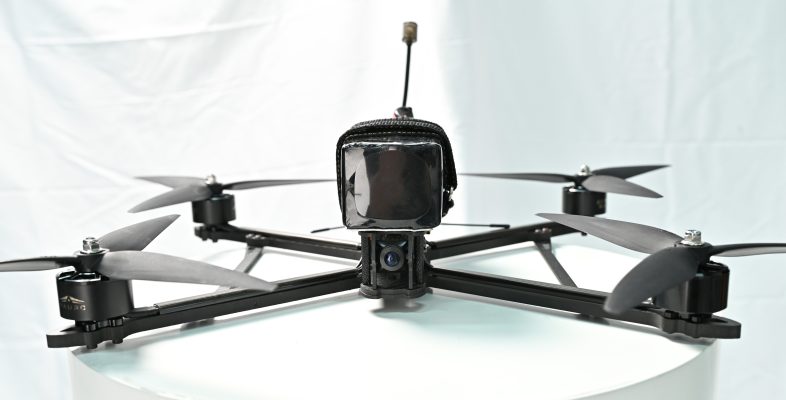
Flying without checking your battery voltage, failsafe setup, or propeller tightness is risky. Always follow a checklist: battery secured, correct mode armed, props firm, and flight controller calibrated.
FPV doesn’t mean you should fly blindly. Maintain line of sight, especially as a beginner. It helps orient your drone, recover from disorientation, and avoid losing your quad.
Incorrect channel, antenna placement, or loose connections lead to video dropout or control loss. Always test your VTX and receiver range before flight. Set power output to a suitable level.
Don’t carry unnecessary gear like HD cameras or heavy batteries on your first few flights. Keep it light, simple, and focused on control, not footage.
Stick with Angle or Horizon mode until you’re confident. Acro mode is unforgiving and should be approached after you’ve mastered basic control and recovery techniques.
The thrill of FPV can tempt pilots to go too fast, too far, or too high. Fly conservatively. FPV is about control, not just adrenaline.


 Tel: +86-13959965075
 Email: info@fpvdroneskit.com
 MP/WhatsApp: +86-13959965075
 Manufacturer Address:Quanzhou Valley Nanan Science and Technology Innovation Center, No. 89 Shijing Avenue, Shijing Town, Nanan City, Fujian Province