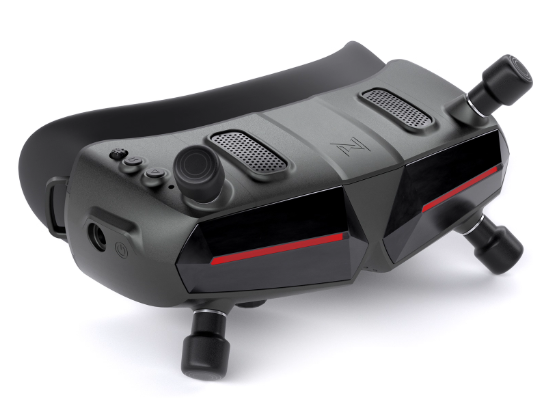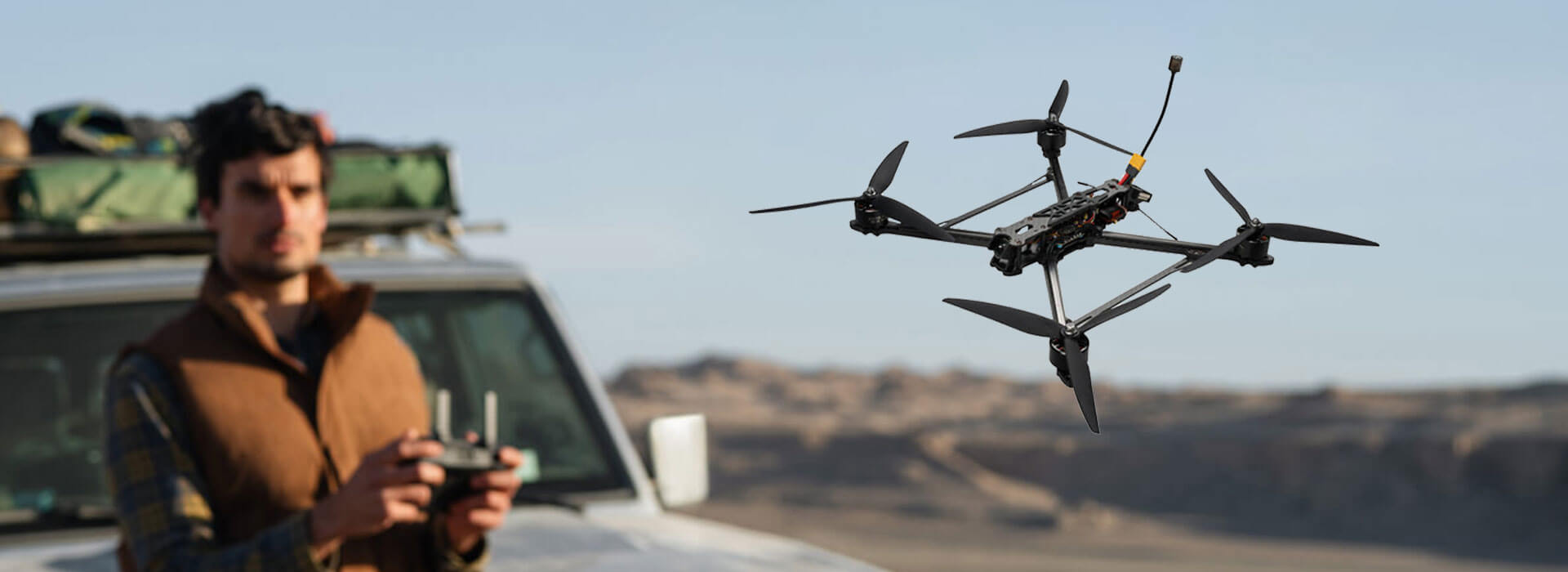
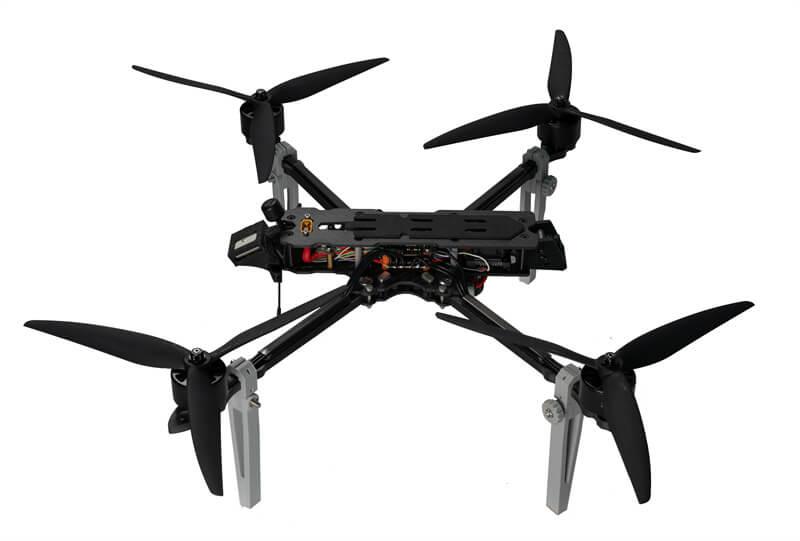
1. What Is FPV Flying? FPV stands for “First-Person View.” Instead of observing from the ground, pilots wear goggles to see real-time video from the drone’s onboard camera, giving a true cockpit-like perspective during flight. 2. Precision and Control FPV drones provide precise control, espec...
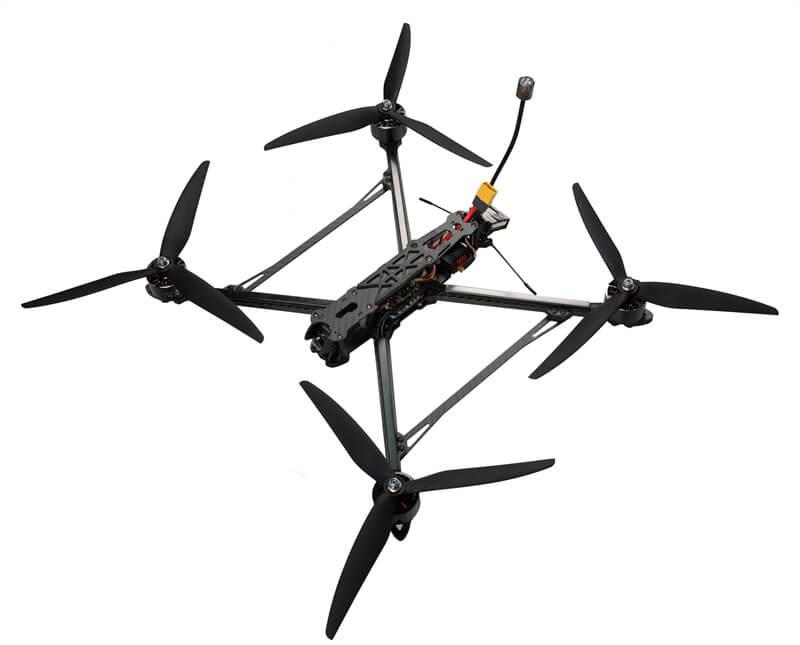
FD is a tech-driven FPV drone brand offering complete product solutions—from flight controllers, ESCs, and video systems to fully integrated drones. Our development team has extensive hands-on experience and optimizes each product based on real-world flight scenarios to ensure speed, stability, and...
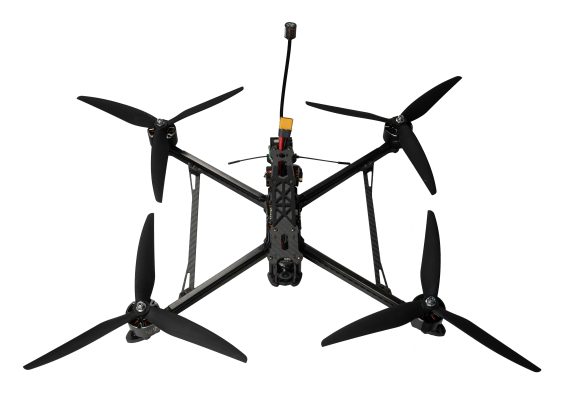
Choosing the Right fpv drones south africa When buying fpv drones south africa, consider your purpose (racing, aerial filming, freestyle), budget, video transmission quality, battery life, and parts availability. Beginners may opt for ready-to-fly (RTF) kits, while experienced pilots often prefer ...

...
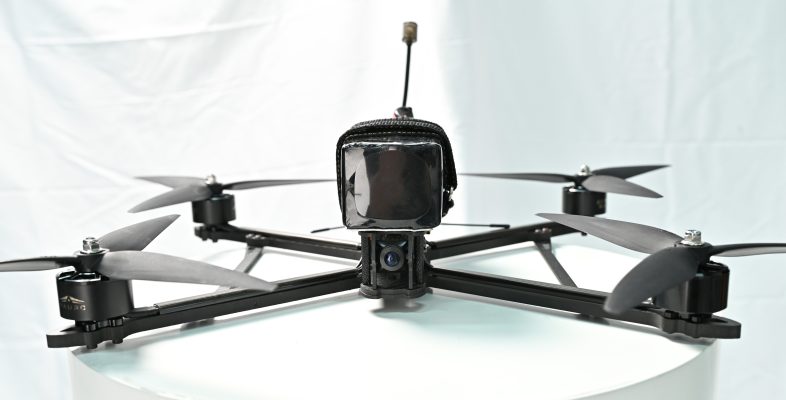
1. Skipping the Simulator New pilots often dive straight into real flights. This leads to crashes, frustration, and repair costs. Always spend at least 5–10 hours in a simulator like Liftoff, Velocidrone, or FPV.Sky before taking off in the real world. 2. Improper Pre-Flight Checks Flying wi...
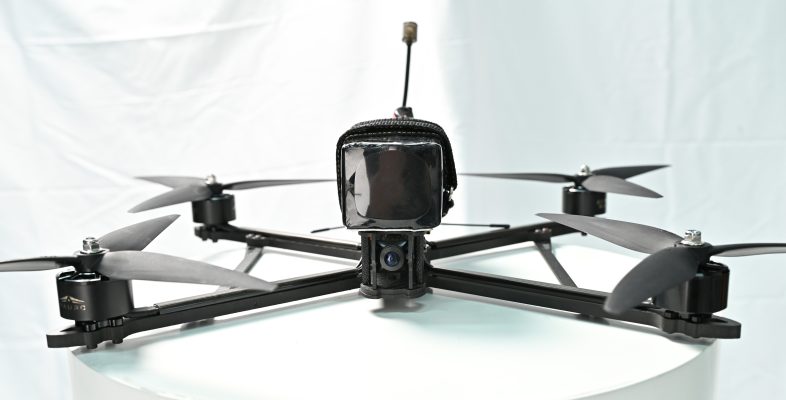
Among all FPV flying environments, the wild remains a top choice for many pilots due to its open skies, low signal interference, and stunning natural views. However, flying in such environments also comes with risks—like unpredictable terrain, signal loss, and lack of immediate assistance. Especia...
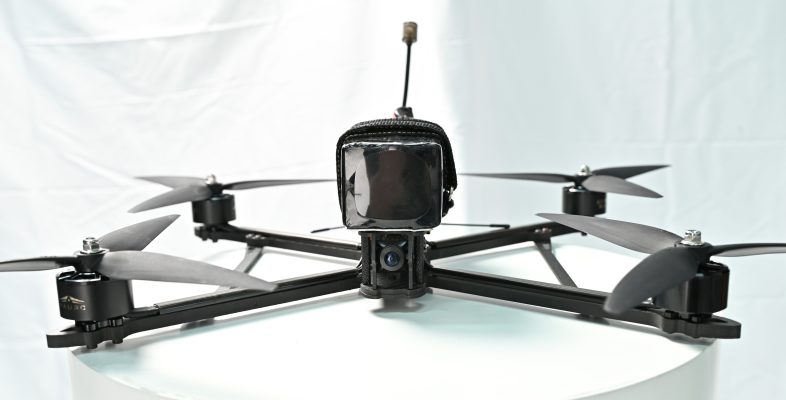
1. Master the Simulator First Before attempting your first real flight, spend time practicing on a simulator. Simulators help build muscle memory and familiarize you with throttle control, flight orientation, and movement timing. Skipping this step often leads to immediate crashes. 2. Choose...
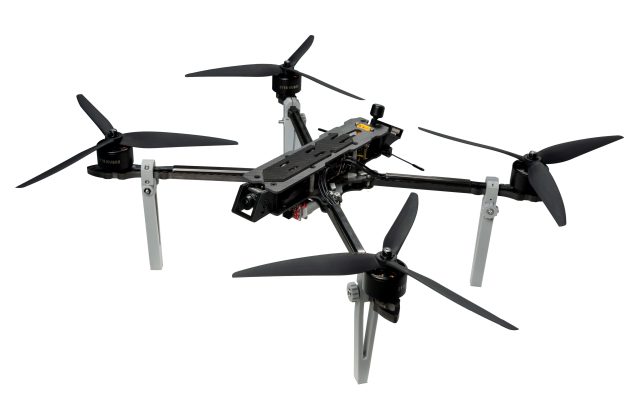
Flying an FPV (First-Person View) drone is an exciting way to experience the skies, offering an immersive, pilot-like perspective. However, for beginners, the technology, setup, and learning curve can seem overwhelming. This guide will walk you through the first essential steps to help you take off...
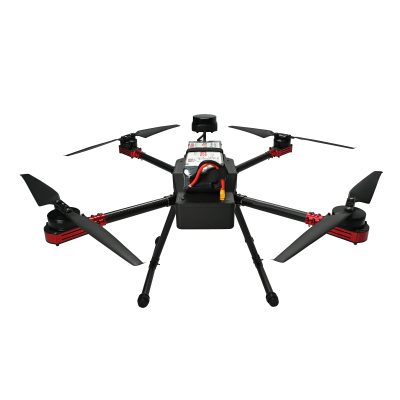
Introduction Crashing is part of learning FPV — but what if you could crash 100 times without breaking anything? That’s exactly what FPV simulators are for. Before taking your first real flight, a simulator can help you build muscle memory, develop reflexes, and understand drone physics — all ...
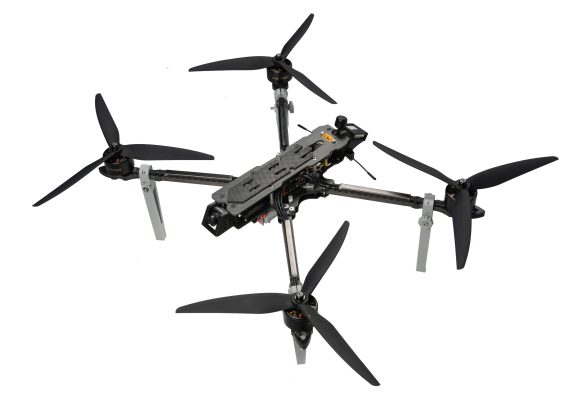
Introduction You've clocked hours in the simulator, mastered throttle control, and flown through digital gates like a pro. But flying in the real world brings new challenges — wind, battery limits, crashes, and pressure. This guide helps you transition safely and confidently from FPV simulato...
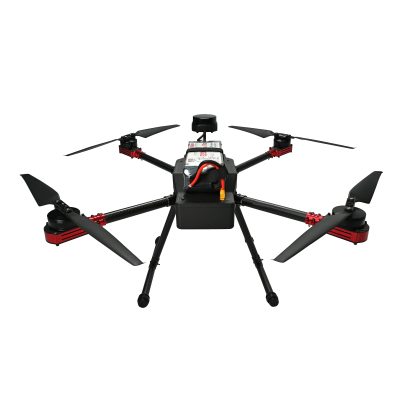
Introduction Flying FPV in hot weather isn’t just uncomfortable — it’s a serious challenge for your gear. High temperatures can degrade batteries, damage VTXs, and overheat ESCs or motors , especially during long flights or back-to-back sessions. Here’s a practical guide to help you protec...
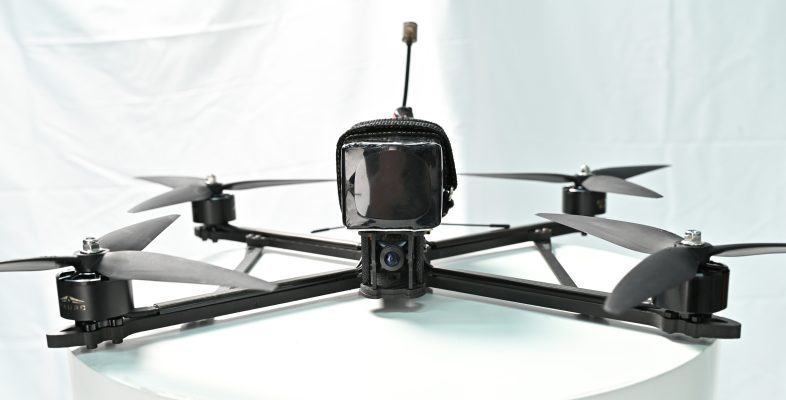
Introduction Want smoother lines, sharper turns, and more confidence flying tight spaces? Then it’s time to practice with FPV training gates — an essential tool for building precision and flow. In this post, we’ll show you how to set up DIY or pro-grade gates , what drills to use, and how...
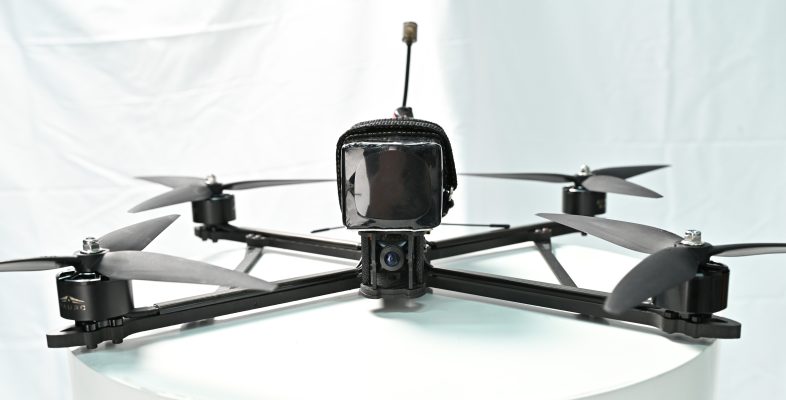
FD was founded by a group of flight enthusiasts with a deep passion for FPV drones. Specializing in the development and sales of FPV drone kits and accessories, we believe flying is more than just a skill—it’s about speed, freedom, and precision. From our first prototype to mass-produced models, ...
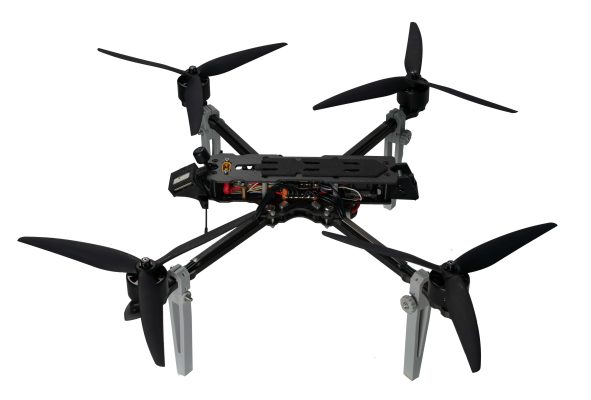
Intro: Power, Precision, and the Right Spin Choosing the right motor and propeller combo can transform your FPV drone’s performance. Whether you fly freestyle, race, or go long-range, matching motor specs with the right props is key to getting the flight behavior you want. At FD (FPV Drones) ...
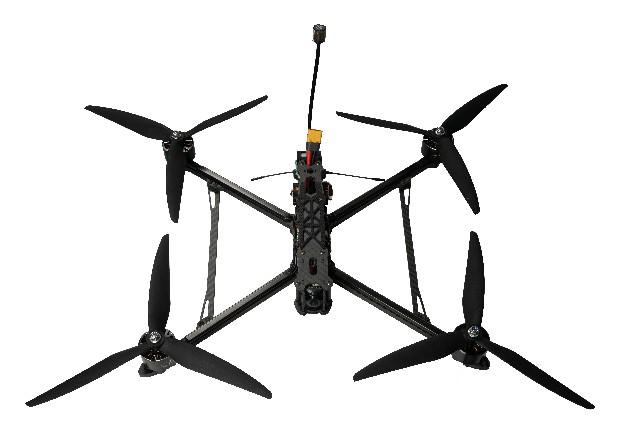
Introduction The rise of FPV drones in military operations reflects a broader shift toward speed, decentralization, and tactical autonomy. Rather than relying solely on large, centralized unmanned systems, modern forces are increasingly adopting smaller platforms that deliver immediate situational...
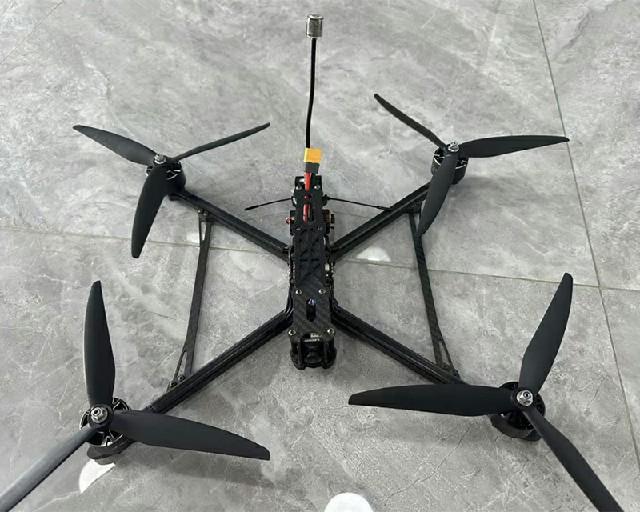
Introduction FPV drones are often discussed in terms of their battlefield impact, but understanding their value requires a closer look at the technology that enables their performance. From flight control systems to video transmission and propulsion design, FPV drones represent a tightly int...
Digital vs Analog FPV Video: A Buyer Comparison Without Speculation explains the checks that help FPV pilots compare compatibility, document assumptions, and prepare...
FD was founded by a group of flight enthusiasts with a deep passion for FPV drones. Specializing in the development and sales of FPV drone kits and accessories, we believe flying is mo...

 Tel: +86-13959965075
 Email: info@fpvdroneskit.com
 MP/WhatsApp: +86-13959965075
 Manufacturer Address:Quanzhou Valley Nanan Science and Technology Innovation Center, No. 89 Shijing Avenue, Shijing Town, Nanan City, Fujian Province