Author:Military Drone Manufacturer TIME:2026-11-26
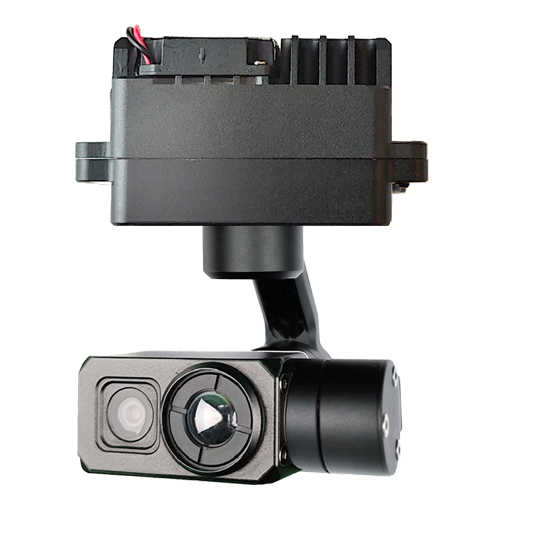
An integrated video link is useful when you want one clearly defined camera-to-ground package and the offered receiver fits your viewing workflow. The TOPOTEK RS586G609P combines a three-axis EO/IR gimbal with image transmission; that does not mean the camera body alone supplies a complete operator position. Start by choosing what must arrive on the ground: visible video, thermal video, camera commands and any required recording or temperature data. Then compare the integrated package with an independently specified air-to-ground path. The right choice is the one that provides those functions with understood aircraft and ground equipment, rather than the one with the fewest boxes in a photograph.
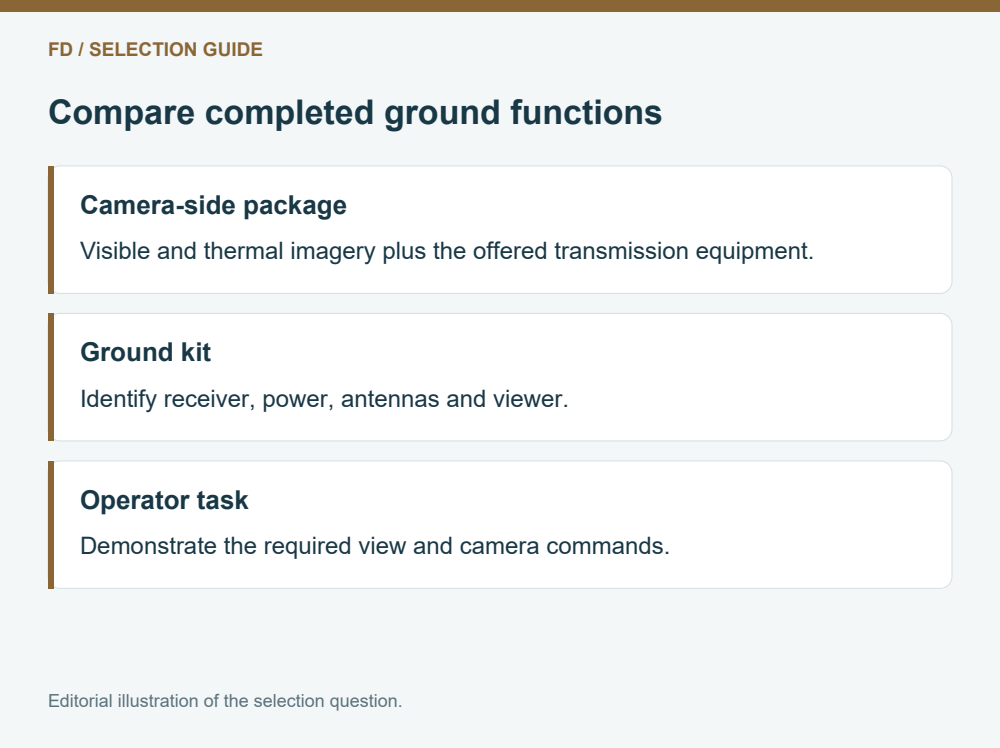
Begin with the work the ground operator must perform. A civil inspection may need a thermal overview, a visible image for context, a way to select the view and a stored record for later reporting. A requirement for all four is different from a requirement for one live camera picture.
Write each function as a separate line and identify the intended endpoint. For example, “visible context on the operator screen” describes an outcome, while “integrated transmission” describes only part of the means. This makes it easier to compare quotes that use different architecture words.
Use the table to expose missing equipment rather than to presume a particular wiring arrangement. Ask the supplier to mark what the offered ground unit provides directly, what requires another device and what remains an option. The result should be understandable to the person using the inspection system: which screen shows which information, which controls act on the camera, and where the required inspection record is stored.
| Ground function | Question for the integrated package | Question for a separate path |
|---|---|---|
| Visible and thermal picture | Which modes reach the supplied viewer? | Which camera modes does the proposed link accept? |
| Camera control | Which commands does the ground kit expose? | Which component carries and interprets the commands? |
| Visual record | Where is the required file saved? | Which recorder supplies that file? |
| Later temperature analysis | Is the optional data workflow supplied? | Can the selected camera option preserve the required data? |
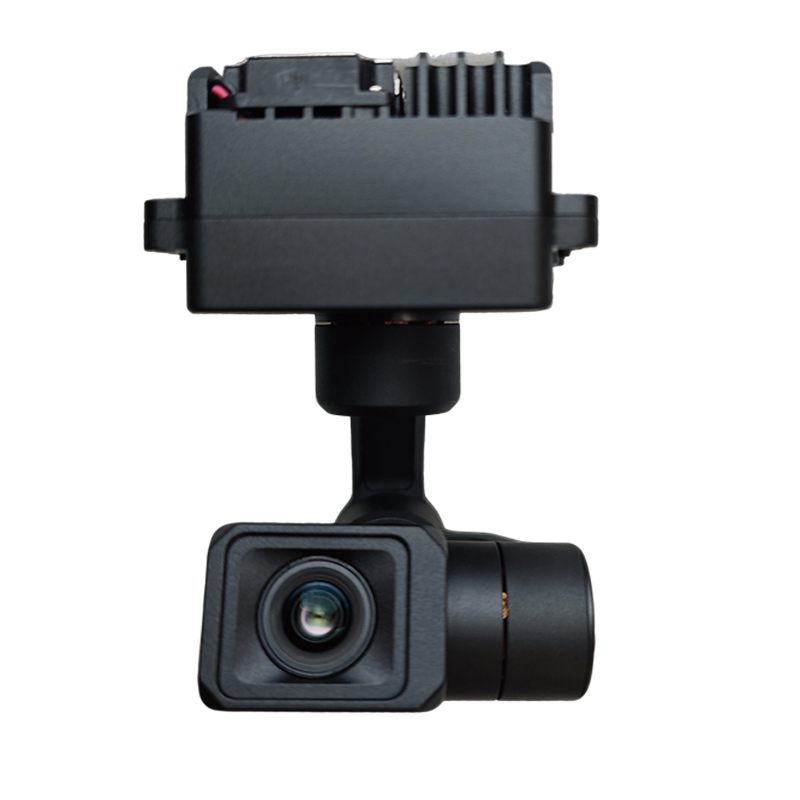
RS586G609P is described as a fixed-focus dual-sensor payload. The visible camera has a 4.5mm fixed lens, a 48MP sensor designation and a listed 1080p30 IP video mode. It offers9x digital enlargement; that should not be described as9x optical zoom or assumed to produce a 48MP stored image.
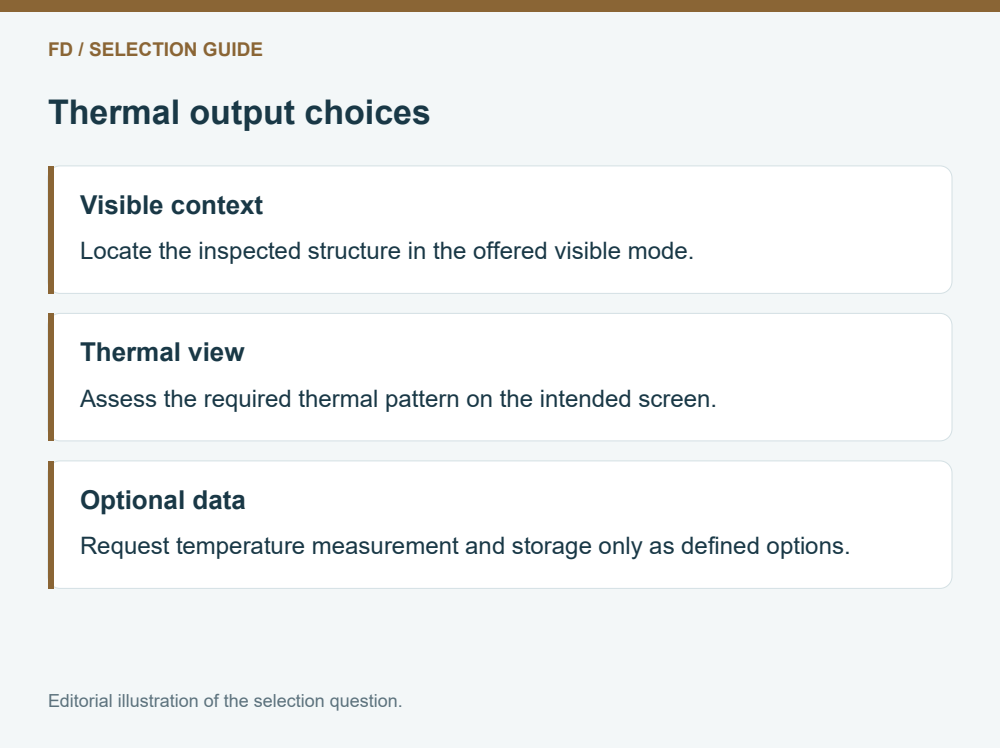
The thermal channel is listed at 640×512 with 12µm pixels and a 9.1mm lens. Its purpose in a civil inspection is different from visible context. A thermal pattern can help identify an area for assessment, while the visible picture may help locate that area on the structure. The presence of both does not prove identical framing, exact image alignment or a particular simultaneous ground display.
Ask for the viewing modes the operator actually needs: a selected visible picture, selected thermal picture or a supported combined presentation. If a quote promises both pictures together, request a demonstration of that exact mode. A product with two sensors is not automatically a two-stream package that every existing ground application can receive.
An integrated arrangement can simplify the definition of a matched package when the offered camera-side transmitter, ground unit and software have a clear supply scope. The buyer should still know what must be installed on the aircraft and what needs power and a display on the ground.
A separately specified video path can be appropriate when an existing project already has a receiving system or needs a particular application interface. It also creates a compatibility boundary that someone must own: camera output, encoder if required, air unit, ground receiver and viewer. Separate equipment is not inherently more capable or more difficult; the quality of the definition matters.
Compare the architectures by completed functions, not by counting enclosures. One package may include antennas and the ground unit while another price refers only to a camera. A useful comparison identifies the exact components needed to obtain the same operator picture and controls. It avoids an apparent price or weight advantage created simply by leaving required equipment out of one side.
Decide whether the operator will use a dedicated viewing device, a handheld application or a computer. Then ask how the offered RS586G609P ground unit supplies video and commands to that endpoint. Do not infer ground connectors or software behavior from the camera’s listed IP mode.
Request the ground equipment as a named part of the offer: receiver, required antennas, power equipment, cables and the application or viewing device where supplied. If a project reuses an existing display, give the supplier its exact model and accepted input. The aim is a defined video path, not an assumption that a familiar connector guarantees compatibility.
Use a representative civil scene during the demonstration. The viewer should show enough thermal information for the inspection and enough visible context to understand the location. Inspect the normal operator layout, including any view selection or information panels. A camera-only clip can demonstrate captured imagery but cannot establish how the proposed ground position presents those channels to the user.
The manufacturer lists IP and UART control, with S.Bus and PWM as optional. These are control choices rather than proof that every offered receiver or handheld station exposes every camera function. Specify the functions the operator needs instead of requesting every protocol name.
Likewise, temperature measurement and full-pixel temperature storage are optional in the published description. A thermal video stream and a temperature display are not interchangeable with a stored file that supports later analysis. If that later task matters, ask for the selected option, an original example file and supported review software.
This separation makes the architecture comparison fair. Both an integrated and a separate path must be judged against the same temperature-data requirement. Neither should receive credit for queryable files solely because its screen displays a number. If the service only needs a thermal visual record, state that narrower deliverable so unnecessary options do not become an assumed part of the purchase.
TOPOTEK lists 160 ±20g and a body size of approximatelyØ110 ×81mm for the payload. Before using the mass as an aircraft allowance, confirm which supplied items it covers. Mounting, cables, antennas and any required auxiliary hardware belong in the installed package rather than being treated as invisible extras.
On the ground, list the receiver and its power arrangement separately from the aircraft supply. The published power wording for this model is not clear enough to turn into a complete system power requirement here. Ask the supplier for a corrected component-by-component specification for the offered package.
No quoted transmission distance should replace that package review. A distance statement cannot establish the allowed operating conditions, actual installation, local permissions or picture at a particular endpoint. The buying evidence needed here is the defined system functioning for the intended civil observation task, with the relevant components and settings identified. Keep aircraft capability and local operating approval with the qualified project team.
Imagine a new inspection setup with no existing video equipment. An integrated RS586G609P package may be a candidate when the supplier can define and demonstrate the complete ground position. The decision turns on the useful picture, camera controls and chosen recording functions, not on the word integrated alone.
Now imagine an organization already using a specific receiving application and video link. A separate path may deserve consideration if reuse is genuinely supported, but the proposed integration should show the required visible and thermal modes. Do not assume that reusing equipment automatically reduces total effort or that the integrated package cannot serve the application.
Send FD the same function list for either proposal: required views, operator device, commands, stored outputs and complete aircraft allowance. Ask each quote to identify supplied and optional items. This produces a practical buying comparison with a clear endpoint, while keeping undocumented range, guaranteed compatibility and unselected temperature-storage features out of the decision.
Does integrated mean a monitor is included?
No. Confirm the actual supply list. The payload description does not establish every receiver, antenna, cable, power source or display included in a particular offer.
Is the visible channel an optical zoom camera?
The published design uses a fixed 4.5mm lens with 9x digital enlargement. Do not treat that enlargement as optical zoom or infer a saved-photo size from the 48MP sensor label.
Can I use my existing ground station?
Provide its exact video input and software requirements and request a demonstrated configuration. The presence of IP or UART in a camera specification does not prove complete compatibility with every station.
Are stored temperature files standard?
The manufacturer lists measurement and full-pixel storage as optional. Identify the selected option and verify an original file in supported software if later analysis is part of the service.
How should two offers be compared?
Ask both suppliers to satisfy the same viewing, control, recording and installation requirements. Compare complete equipment scope before comparing a body-only price or mass with a complete kit.
Review RS586G609P and define the required ground-kit functions

 Tel: +86-15059599996
 Email: info@fpvdroneskit.com
 MP/WhatsApp: +86-15059599996
 Manufacturer Address:Quanzhou Valley Nanan Science and Technology Innovation Center, No. 89 Shijing Avenue, Shijing Town, Nanan City, Fujian Province