Author:Military Drone Manufacturer TIME:2026-09-06
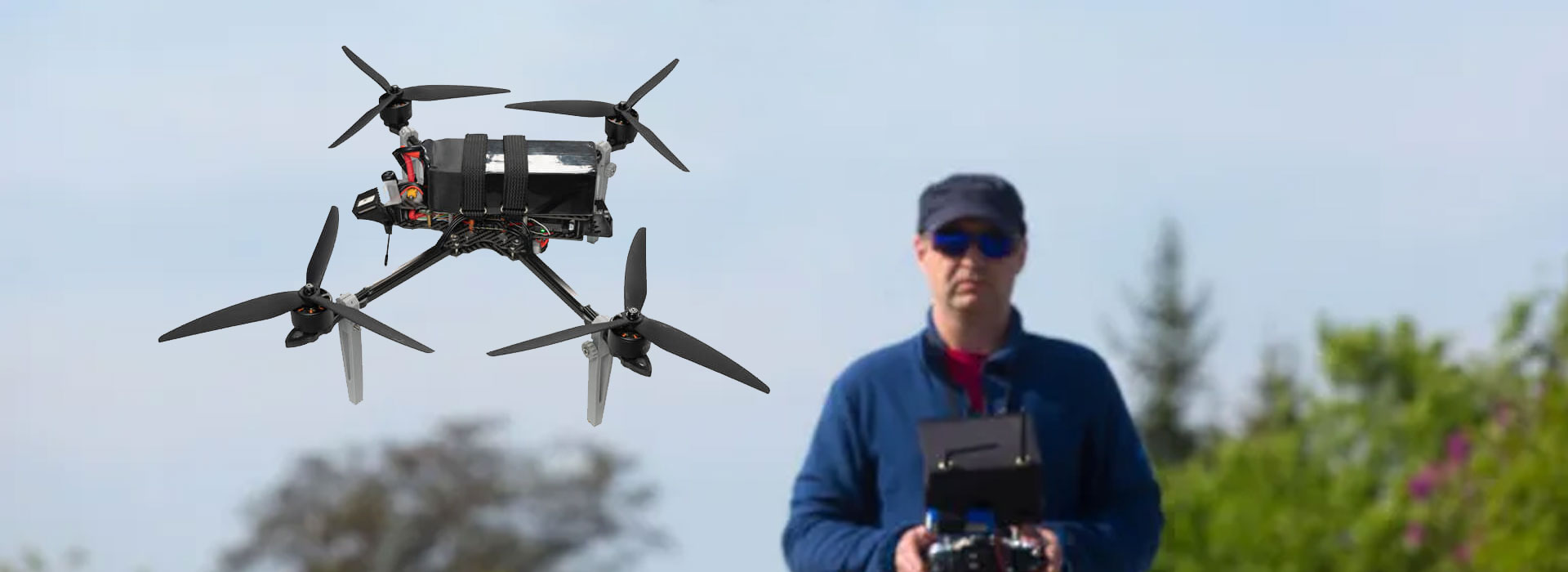
Direct answer. A first FPV purchase should match the pilot's radio, video system, battery workflow, and training time. Choose RTF when you need the drone, transmitter, goggles, battery and charger in one compatible package; choose BNF when you already own a compatible radio and goggles; choose a DIY kit only when you can verify soldering, firmware and power-system compatibility.
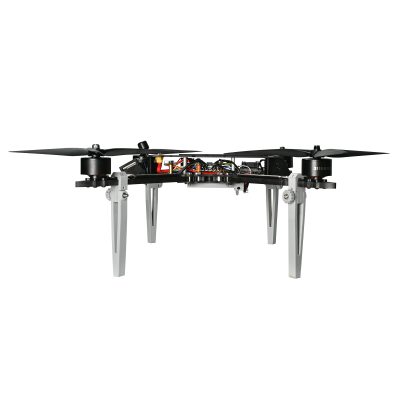
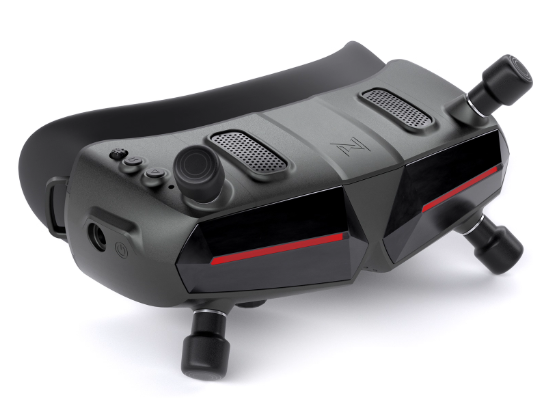
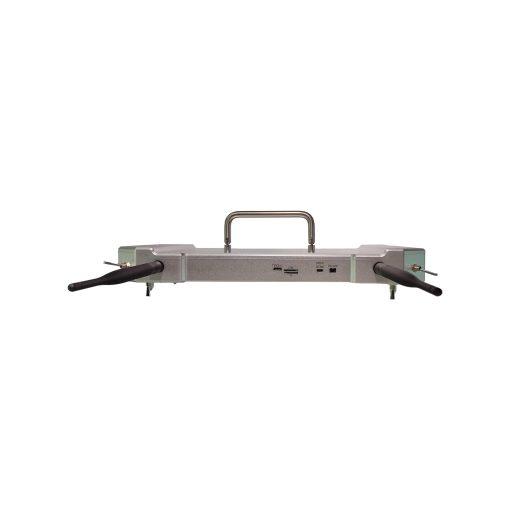
This page keeps its existing title and URL for continuity. Product availability, firmware versions and kit contents change, so confirm the current bill of materials before placing an order.
Indoor practice favours a protected micro frame, lower energy and readily available propellers. Outdoor practice needs more space, a visible failsafe state, weather limits and a recovery plan. For a training fleet, identical radios, batteries and spare parts reduce setup errors. A simulator session and a short hover test are safer than learning directly over people, roads or water.
| Package | Usually supplied | Buyer must verify | Best fit |
|---|---|---|---|
| RTF | Aircraft, radio, goggles, battery/charger | Exact battery connector, charger input and spare parts | First-time pilot with no FPV hardware |
| BNF | Aircraft with receiver installed | Radio protocol, binding method and goggles/video system | Pilot who already owns a radio and goggles |
| PNP | Aircraft without a receiver | Receiver installation, power output and firmware target | Builder with integration experience |
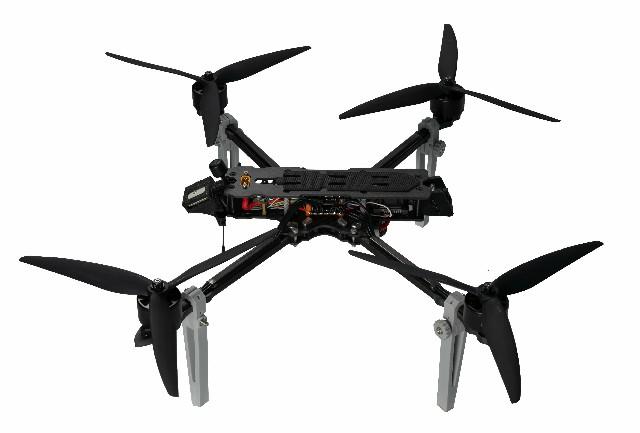
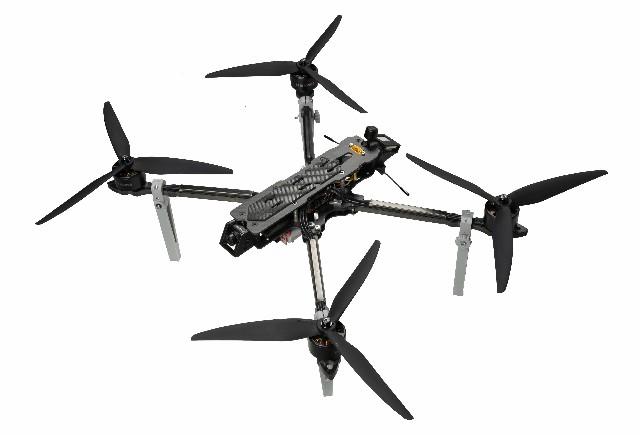
| DIY | Selected frame and electronics | Motor/prop/ESC rating, wiring, firmware and weight | Experienced builder or training lab |
Analog systems can be lighter and less expensive. Digital systems can provide a clearer view but add cost, power draw and ecosystem constraints. The decision is not only image quality: check latency, receiver compatibility, antenna placement, recording needs and replacement cost. If a product page does not identify the complete video chain, treat the configuration as needing confirmation.
Inspect cells, leads and connectors before every flight. Use the manufacturer's charge mode and storage voltage, keep packs in a fire-resistant location and stop when a pack is hot, damaged or physically swollen. Before arming, remove propellers for bench configuration, check motor order and direction, confirm the failsafe response at a safe distance and set a conservative low-voltage alert.
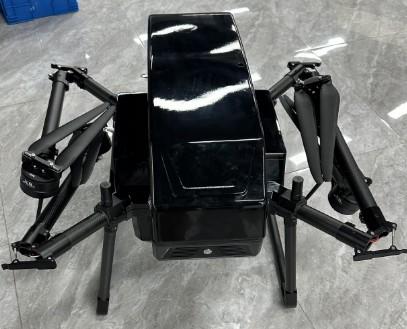
Send the intended environment, pilot level, required flight time, video preference, radio/receiver protocol, battery and charger expectations, spare-parts quantity and destination regulations. A supplier can then return a clear included/not-included list instead of a generic “complete kit” label. See the current FPV drone kits category for the available configurations.
Can I start with Acro mode? Use a simulator and a stable assisted mode first; move to Acro after you can recover orientation consistently.
Do I need a digital system? No. Choose the system that matches your goggles, budget, latency needs and spare-parts plan.
Is a larger frame better? Not automatically. Larger frames add energy and repair cost; select size from the environment and the required payload of cameras or sensors.
What should I buy as spares? Props, screws, arms or ducts, a compatible battery lead and any receiver or antenna that is specific to the build.
When should I request a custom configuration? When the radio, video, battery, sensor or enclosure requirements cannot be met by one documented package.
Before ordering, write down the package type, receiver, video system, battery connector, charger, spares and legal operating conditions. If any item is unknown, mark it as “to confirm” rather than guessing. This produces a safer first flight and a more accurate quote.


 Tel: +86-13959965075
 Email: info@fpvdroneskit.com
 MP/WhatsApp: +86-13959965075
 Manufacturer Address:Quanzhou Valley Nanan Science and Technology Innovation Center, No. 89 Shijing Avenue, Shijing Town, Nanan City, Fujian Province