Author:Military Drone Manufacturer TIME:2026-09-06
Introduction
As unmanned systems become increasingly central to military operations, distinguishing between different UAV categories is critical. FPV drones and conventional UAVs represent two distinct approaches to unmanned flight, shaped by different mission priorities and operational constraints. This comparison highlights how each platform contributes to modern military effectiveness.
Design Priorities and System Complexity
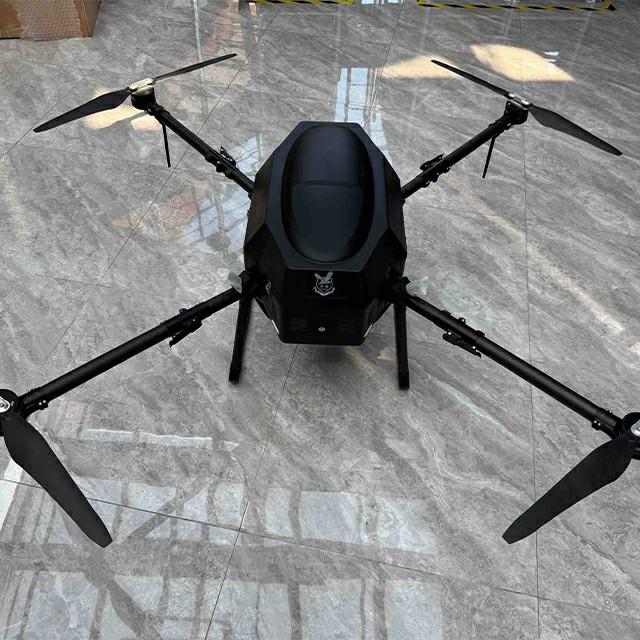
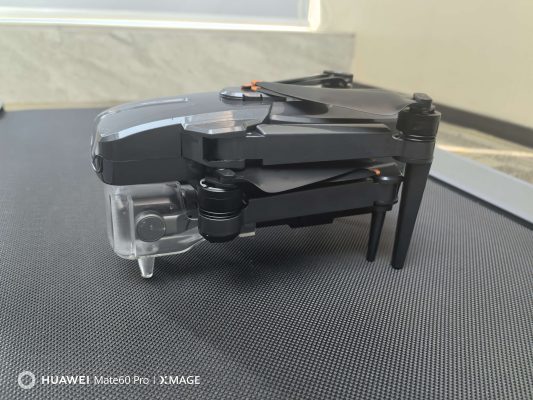
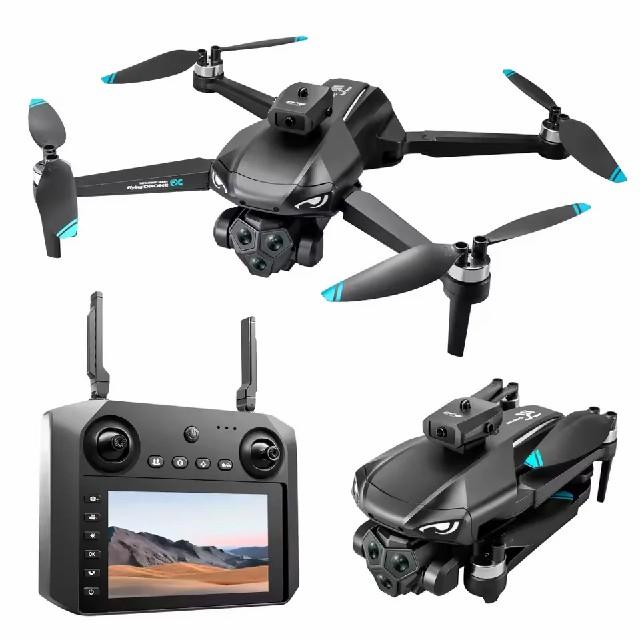
Conventional UAVs are designed with endurance, sensor payload capacity, and communication range as primary priorities. This leads to more complex airframes, redundant systems, and sophisticated ground control infrastructure.
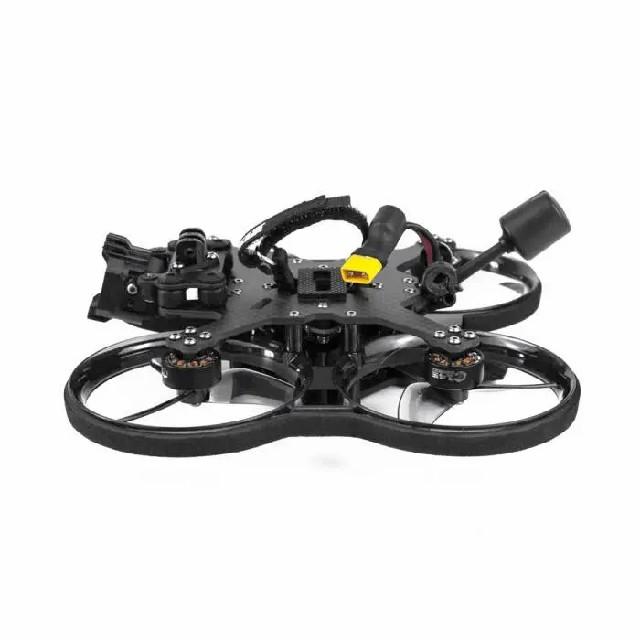
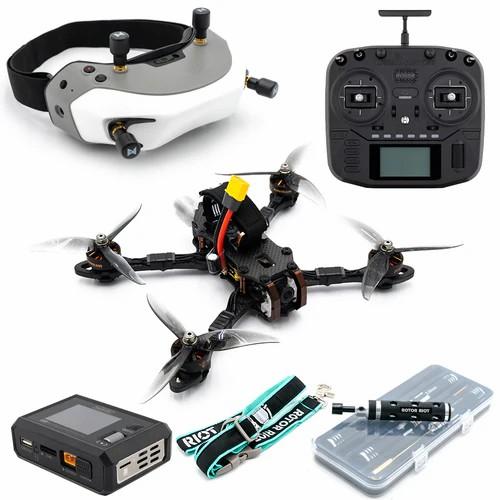
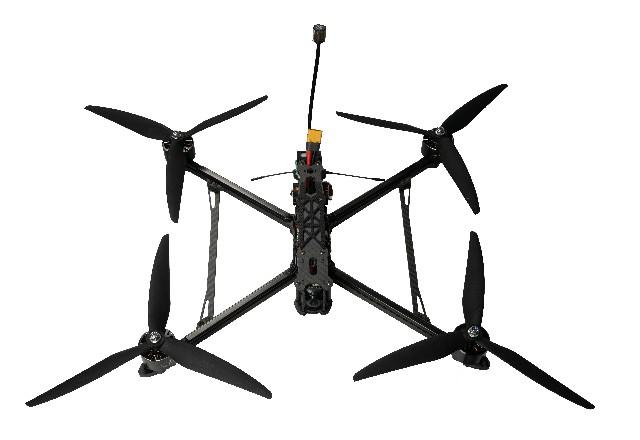
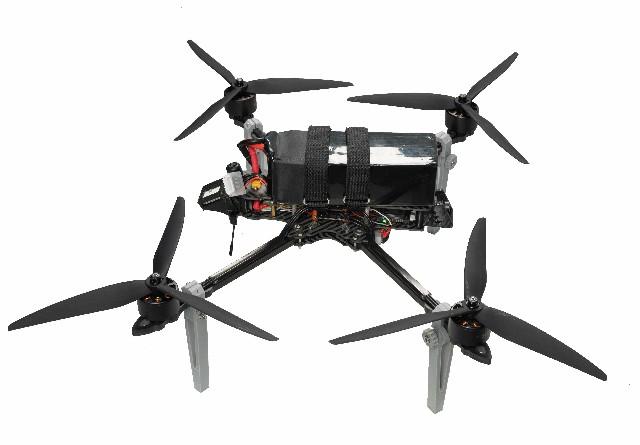
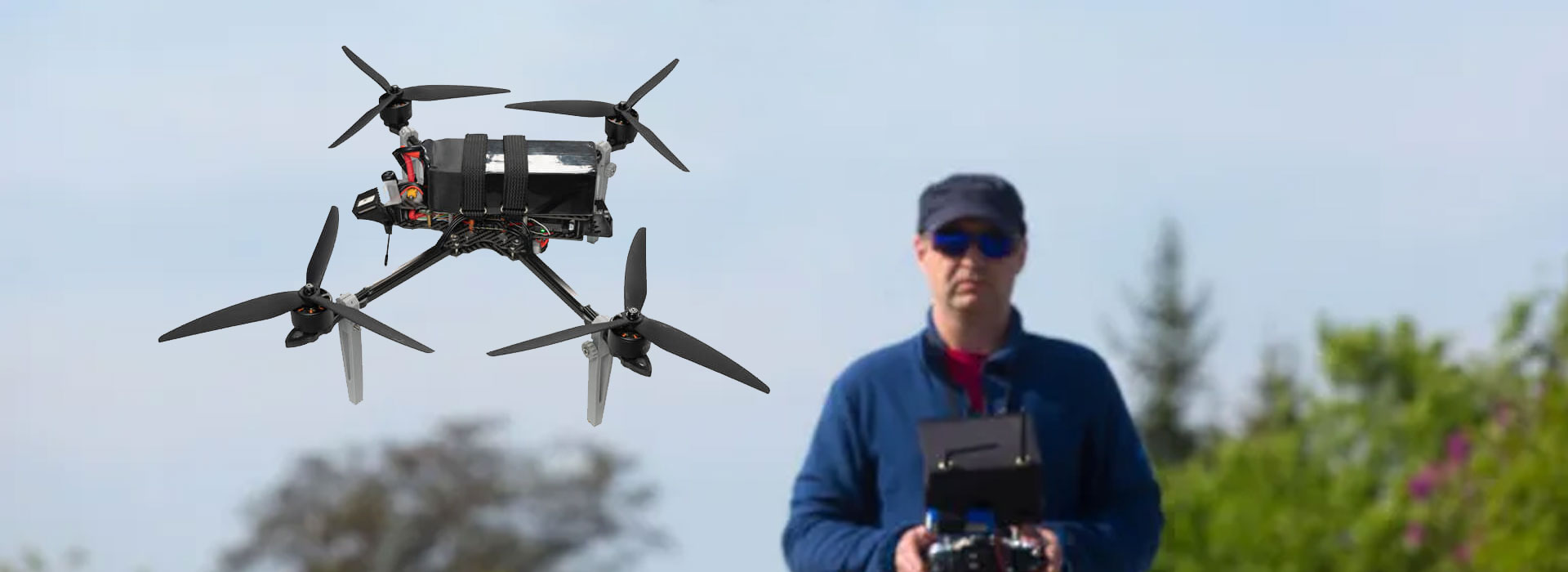
FPV drones prioritize simplicity, agility, and responsiveness. Their design emphasizes lightweight construction, high thrust-to-weight ratios, and minimal latency rather than long-term persistence.
Communication and Data Requirements
Traditional UAVs often transmit large volumes of sensor data back to command centers for analysis and dissemination. These systems depend on stable, long-range communication links.
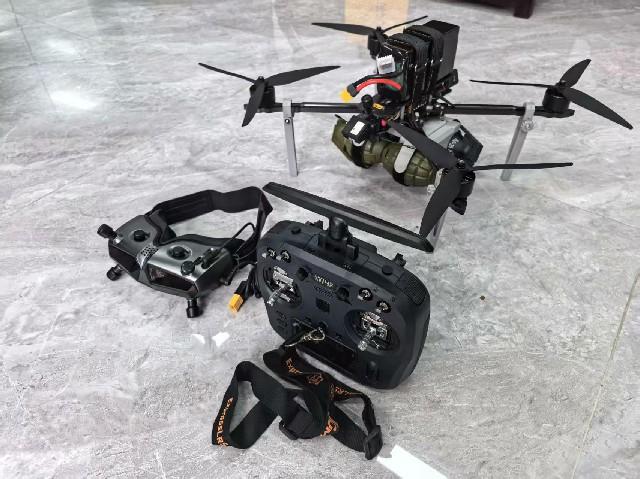
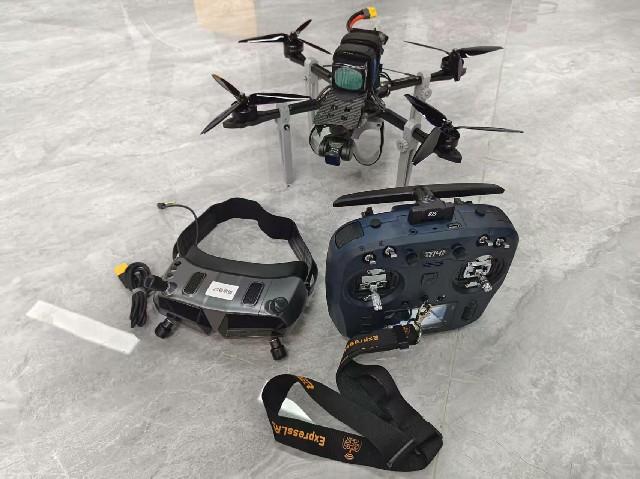
FPV drones focus on delivering a single, high-quality real-time video feed to the operator. This narrower data requirement allows for faster response but limits broader data exploitation.
Flexibility and Tactical Adaptation
FPV drones excel in situations that demand immediate adaptation. Operators can adjust flight paths, angles, and behavior instantly based on visual input.
Conventional UAVs are more effective in structured missions with defined objectives and predictable operating environments. Adjustments are possible but typically slower and more centralized.
Training and Operator Skill
Operating traditional UAVs requires training in mission planning, system management, and coordination with command elements. FPV drone operation places greater emphasis on piloting skill, situational awareness, and rapid decision-making.
This difference influences how forces recruit, train, and deploy operators.
Manufacturing and Procurement Implications
For manufacturers, these differences shape production strategies. Traditional UAV programs emphasize long development cycles and formal procurement processes. FPV drone production often supports faster iteration and adaptation based on operational feedback.
Manufacturers capable of supporting both approaches gain flexibility in meeting diverse defense requirements.
Conclusion
FPV drones and conventional UAVs address different aspects of modern military operations. By understanding their respective strengths and limitations, defense organizations can deploy unmanned systems more effectively. Rather than replacing traditional UAVs, FPV drones expand the overall capability set available to modern forces.

 Tel: +86-13959965075
 Email: info@fpvdroneskit.com
 MP/WhatsApp: +86-13959965075
 Manufacturer Address:Quanzhou Valley Nanan Science and Technology Innovation Center, No. 89 Shijing Avenue, Shijing Town, Nanan City, Fujian Province