

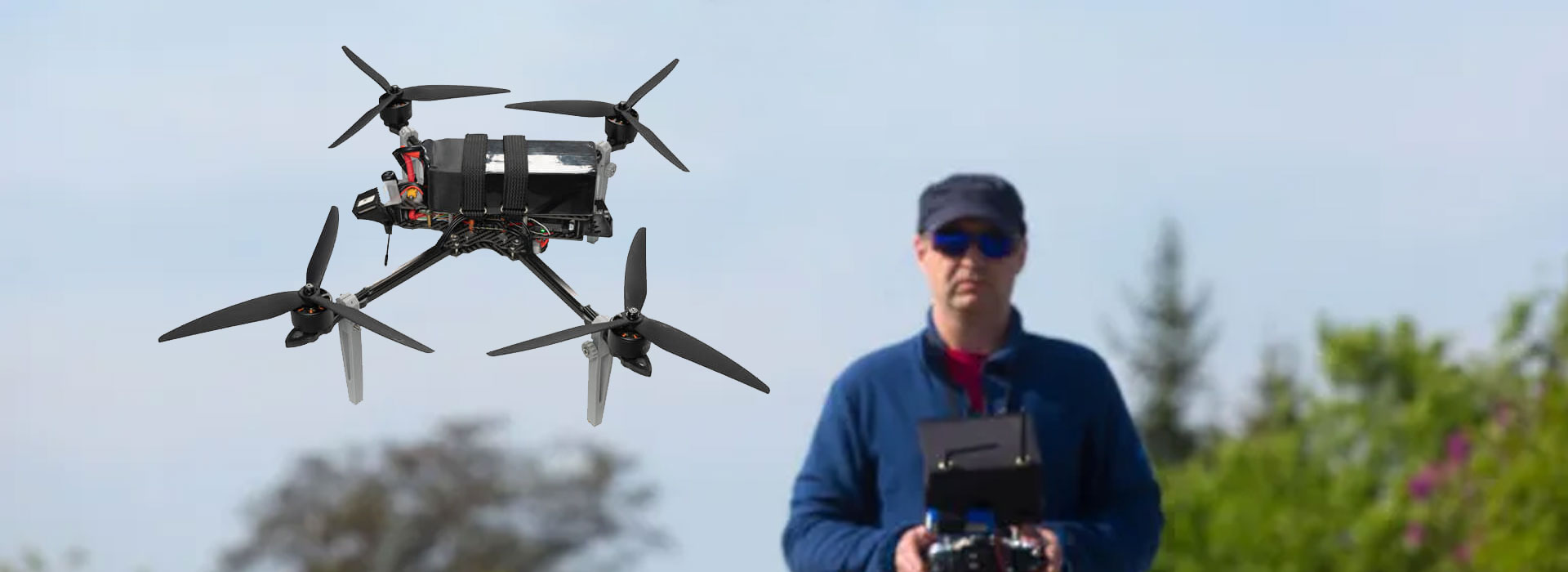
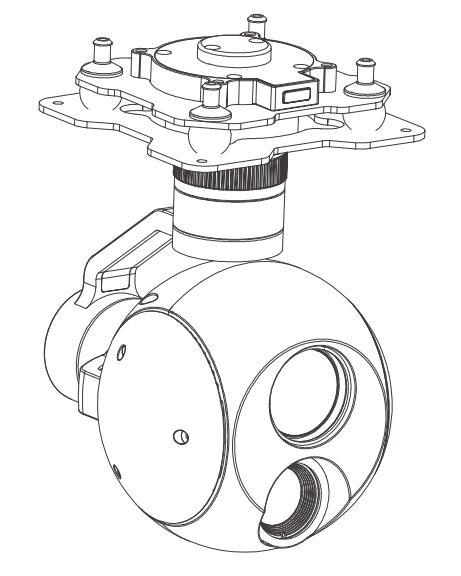
A GC10 focus sample should show a named visible detail after the offered configuration has produced the intended focused view. The manual lists automatic focus, one-touch automatic focus and manual focus for the visible camera, but gives no universal focus-acquisition time or guaranteed result for every scene. For a civil inspection or FPV equipment review, define the detail to examine and record the stated mode, sample configuration and reviewed output. This turns a broad “autofocus available” statement into a specific evidence question while keeping camera behavior, application controls and actual sample results within their documented limits.
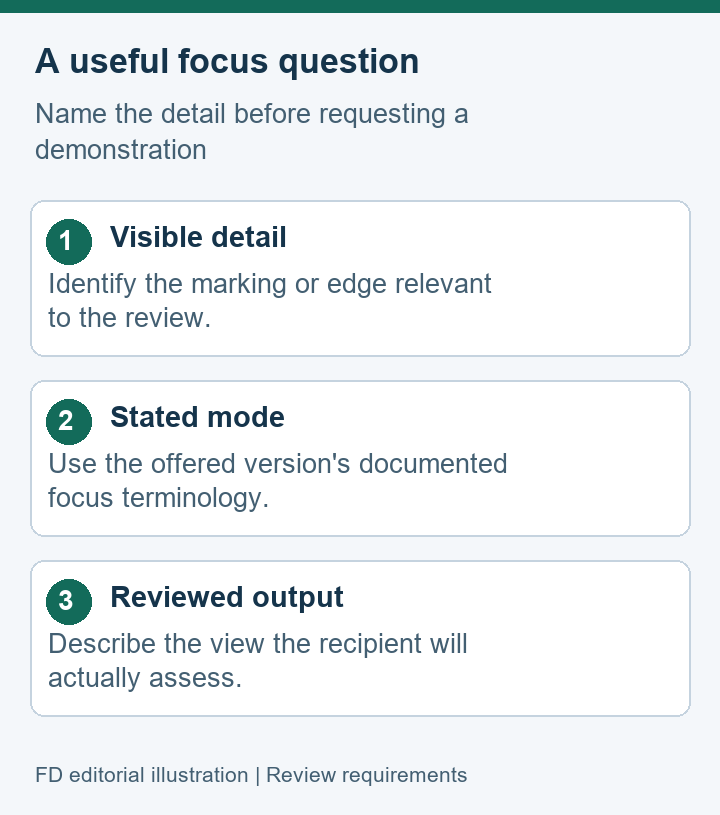
Name the visible detail before requesting the sample
Focus becomes a useful review subject when the reader knows which visible detail matters. A civil inspection team might need to recognize a printed equipment designation, examine an edge or distinguish two adjacent markings. Pick the relevant detail and explain why it belongs in the sample. A general scenic video may be attractive while leaving that specific question unanswered.
The detail should be identifiable in the request without requiring the supplier to guess the intended subject. A reference photograph or a written description can locate it. Describe the intended review medium as well: a screen demonstration and a received file may be used at different sizes. Their purposes should be clear before the supplier prepares an example.
This is not a claim of a particular reading distance or smallest detectable feature. The GC10 source does not establish such a guarantee for the proposed scene. The review asks whether an identified example answers the project's stated question. It should retain the conditions supplied with that example rather than generalizing one successful view into a camera-wide performance promise.
Read the three listed focus modes carefully
The visible-camera reference names automatic, one-touch automatic and manual focus. Keep those terms attached to the visible imaging channel. They should not be copied into a thermal-control description merely because the GC10 contains both imaging sensors. The offered version's actual control documentation should explain how the listed modes are accessed.
Mode names also do not settle every detail of behavior. An application may expose a request differently from another application, and the camera-side documentation needs to identify the supported action. Ask for that information where it matters to the review. Avoid inventing a button sequence, a continuous-focus behavior or an acquisition time from the name alone.
| Manual term | What to identify | What remains sample-specific |
|---|---|---|
| Automatic focus | Documented behavior for the offered version | The focused result in the stated scene |
| One-touch automatic focus | The supported request and its application mapping | The resulting view supplied for review |
| Manual focus | The documented control path | The detail selected by the reviewer |
The table organizes questions rather than promising a particular control implementation. A supplier can identify the relevant document, then demonstrate the requested behavior in its offered arrangement. Keeping those steps distinct makes the evidence easier for an application developer and an image reviewer to understand.
A mode request and a settled image are separate evidence
A control demonstration and an image review address different parts of the focus question. A recorded application request can help identify the control arrangement. The reviewer still needs the resulting visible view to assess the stated detail. Neither record should be used as an automatic substitute for the other.
The sample description should explain what is being shown at each stage. A moving demonstration may contain a request, a transition and a later view. The project's acceptance question should identify which part the reviewer is evaluating. This article provides no expected transition time or guarantee of focus behavior; those would need configuration-specific evidence.
Preserve the distinction when sharing the example. A short clip extracted for a meeting may show only one stage and lose the context of the request. Label the excerpt's purpose and retain the supplier's source record. An image reviewer can then assess the intended view without accidentally treating a transitional frame as the final offered result.
Record what the example actually identifies
A useful sample note names the camera configuration, imaging channel, stated focus mode and visible detail. It should also describe the output being reviewed and any context supplied by the provider. These are editorial record fields; the GC10 is not being claimed to write them all automatically into the image.
The reference should say which person or document identifies the mode. A mode label added to a presentation may be explanatory text rather than camera-generated status. The supplier should make its meaning clear. This helps a later reviewer distinguish the configuration statement from an observation in the picture itself.
General camera documentation recognizes that low-contrast subjects can be difficult for autofocus and may call for a different focusing approach. That background explains why scene context matters. It does not establish a specific GC10 failure condition or a prescribed workaround. Keep the actual model behavior tied to its supplied instructions and the identified sample.
Keep a focus comparison understandable
A comparison should let a reader see what changed between the examples. If the supplier provides views made with different modes, ask for an explanation of the relevant conditions. A change in the scene, viewing size or presentation can make the comparison ambiguous even when both images are genuine samples.
The review does not need to compare every possible mode in every situation. Choose the question relevant to the project and identify which examples answer it. One mode may be the subject of a control-function review; another example may be used to examine the visible detail. Keep those purposes distinct rather than forcing all material into a single ranking.
Use descriptive conclusions. “The stated marking is recognizable in the supplied review view” gives a reader a concrete result. “Best focus performance” is much broader and would require a defined comparison that this article does not provide. A bounded observation can still be valuable when the camera, example and review requirement are properly identified.
Write a short sample brief with a clear acceptance question
A sample brief should be specific enough to guide the supplier without becoming an unsupported installation procedure. Name the model, identify the detail, describe the output the reviewer will use and ask the provider to state the relevant focus configuration. The camera supplier should identify the appropriate documented method for its offered arrangement.
For a hypothetical equipment-label review, the acceptance question could be whether the designated text is readable in the supplied visible example at the intended review size. Keep the actual text and reference location with the request. This is more useful than asking for a demonstration at the largest zoom setting without explaining what the reviewer needs to recognize.
Agree how an unanswered question will be recorded. If the sample lacks a stated mode or the relevant detail is absent, the team can identify exactly what is missing. It need not discard unrelated information already supplied. A focused follow-up might request the configuration description or a relevant example, rather than asking the supplier to repeat an entire camera presentation.
The acceptance wording should also distinguish the project's expectation from an established product claim. A required result in a brief is something the proposed arrangement must demonstrate; writing it down does not mean the camera has already met it.
Retain a conclusion limited to the reviewed example
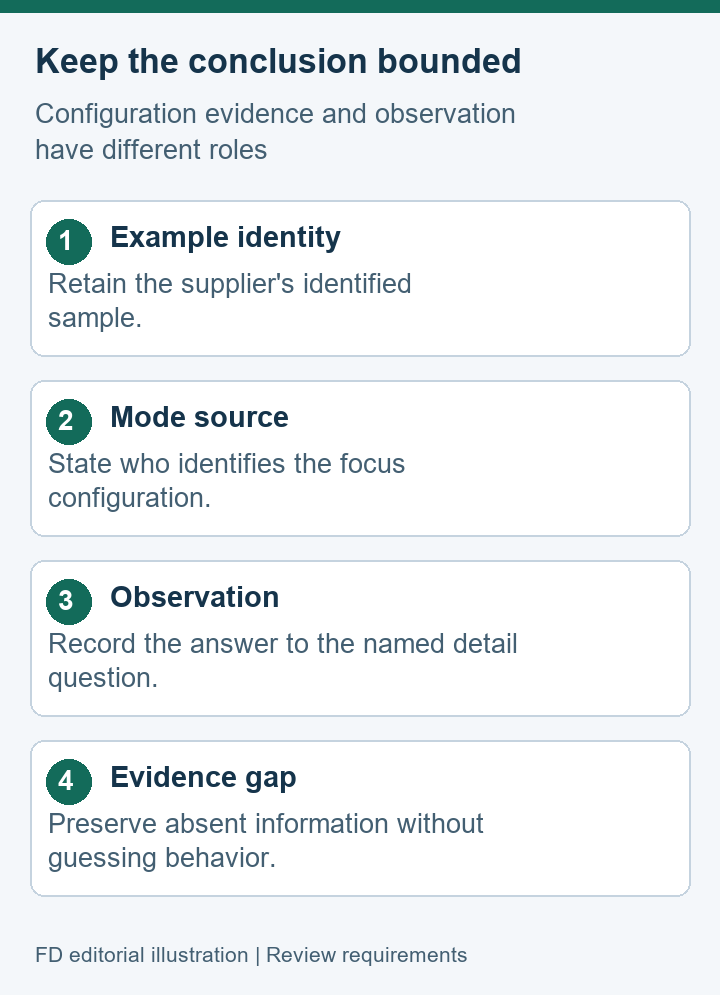
The final note should identify the sample reviewed and the answer it supplied. Record the stated camera arrangement and relevant mode description beside that answer. If the reviewer could not assess the detail, explain the evidence gap. This preserves a useful result even when the overall integration decision remains open.
A later camera or application revision should not inherit an old conclusion without examination. The earlier sample remains a record of its own arrangement. Naming it clearly makes it easier to determine whether a proposed change affects the evidence the project relied upon.
The GC10 Dual Sensor Gimbal Camera visible-imaging reference lists the source-supported focus modes. Use those terms in the sample request, then retain the supplied configuration and actual reviewed result. The mode list gives the question a model-specific starting point; the example supplies its particular evidence.
GC10 visible focus questions
Do the listed focus modes establish a fixed acquisition time?
No time guarantee is provided here. The mode names identify source-supported options, while timing and scene behavior need evidence for the offered configuration. Keep any observed result tied to its specific sample.
Does visible manual focus also describe the thermal channel?
The source's focus entry belongs to the visible camera. It should not be transferred to the thermal imager. Any thermal-control requirement needs its own supported model information.
Why should a request name a particular equipment marking?
A named detail gives the reviewer a concrete question to answer. It helps the supplier provide relevant material and keeps the conclusion narrower than a general claim about all inspection scenes.
What if the supplied example does not identify its focus mode?
Retain the example and record the missing configuration statement. Ask the provider to clarify that item before using the material to support a mode-specific conclusion. Do not infer the mode from appearance alone.


 Tel: +86-13959965075
 Email: info@fpvdroneskit.com
 MP/WhatsApp: +86-13959965075
 Manufacturer Address:Quanzhou Valley Nanan Science and Technology Innovation Center, No. 89 Shijing Avenue, Shijing Town, Nanan City, Fujian Province