Author:Military Drone Manufacturer TIME:2026-11-28
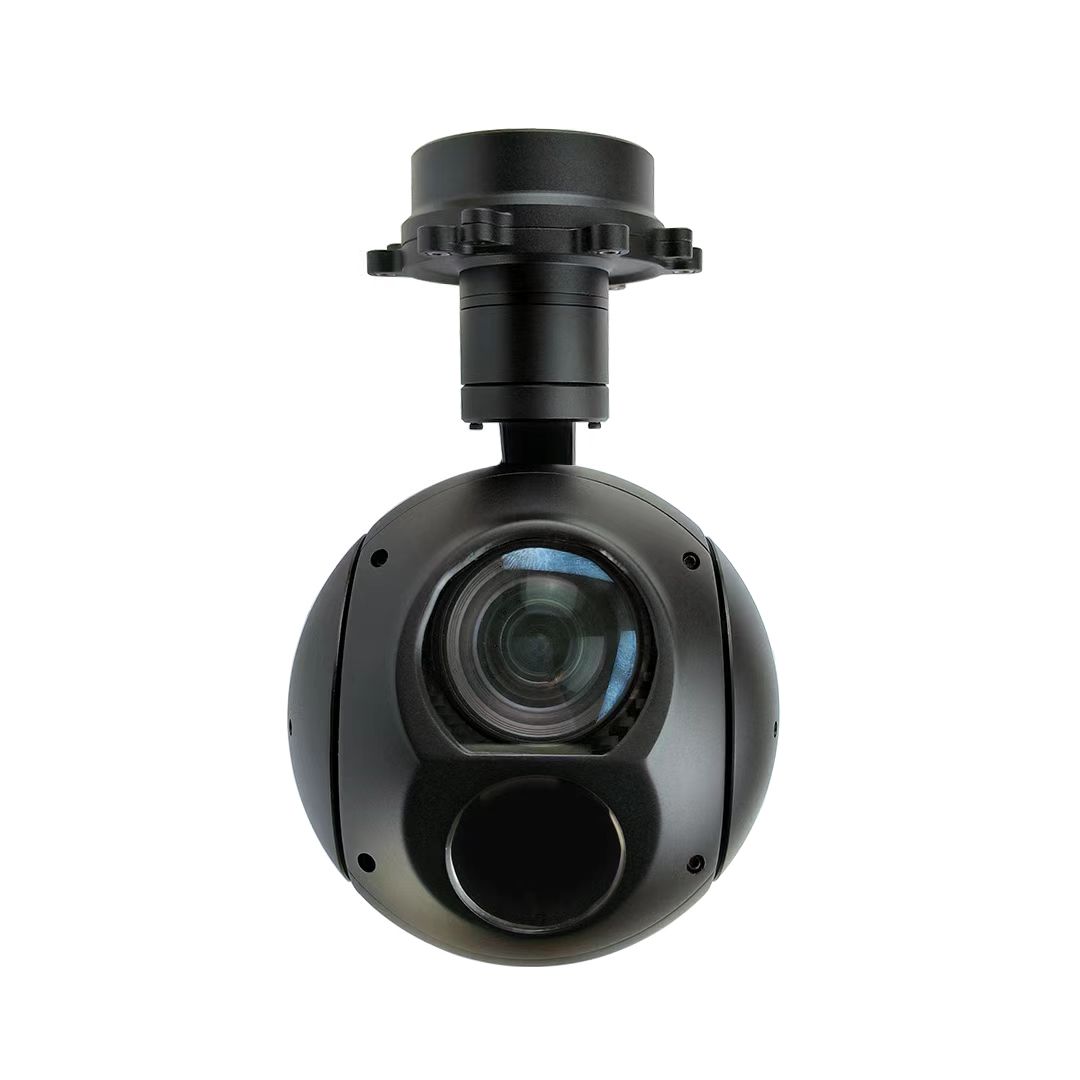
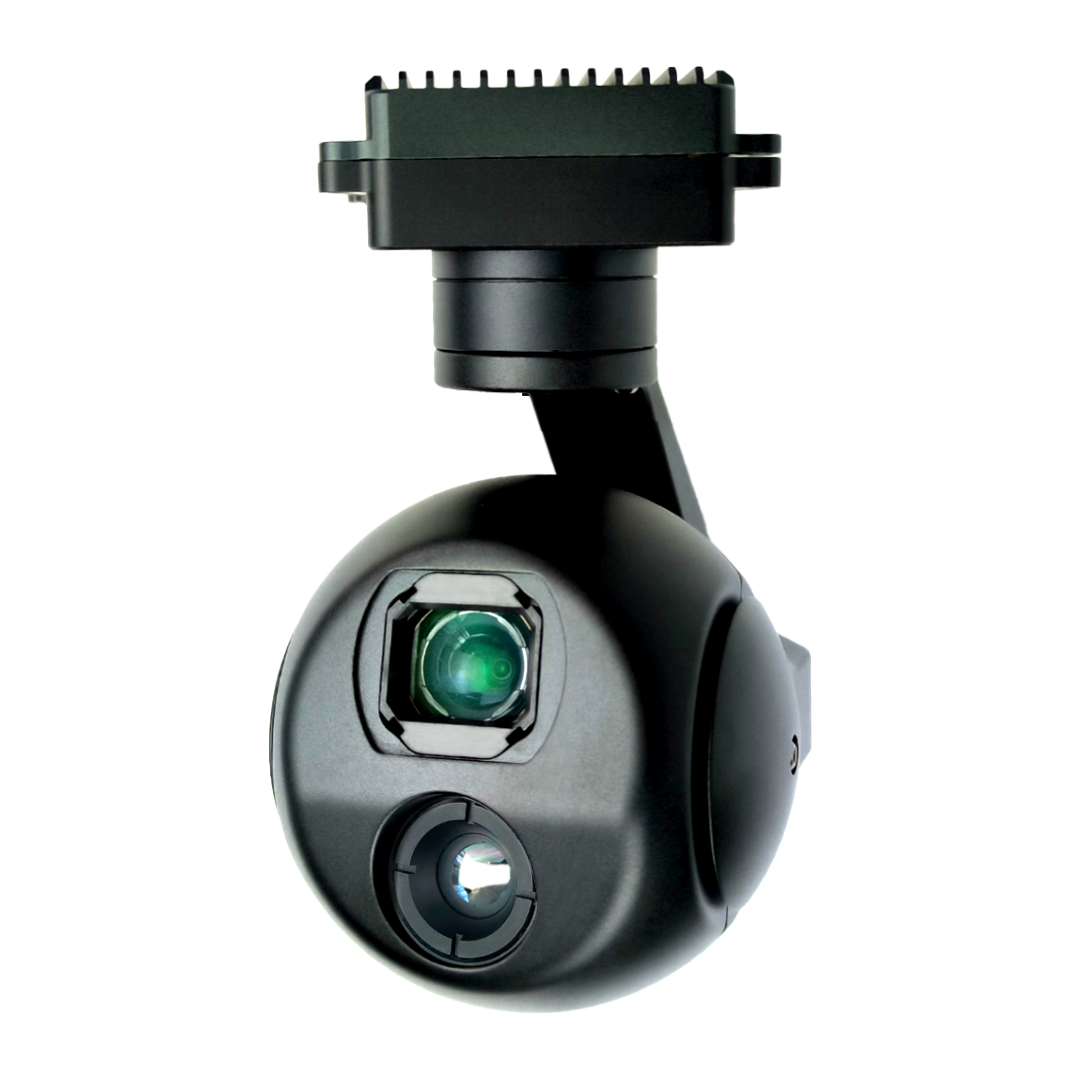
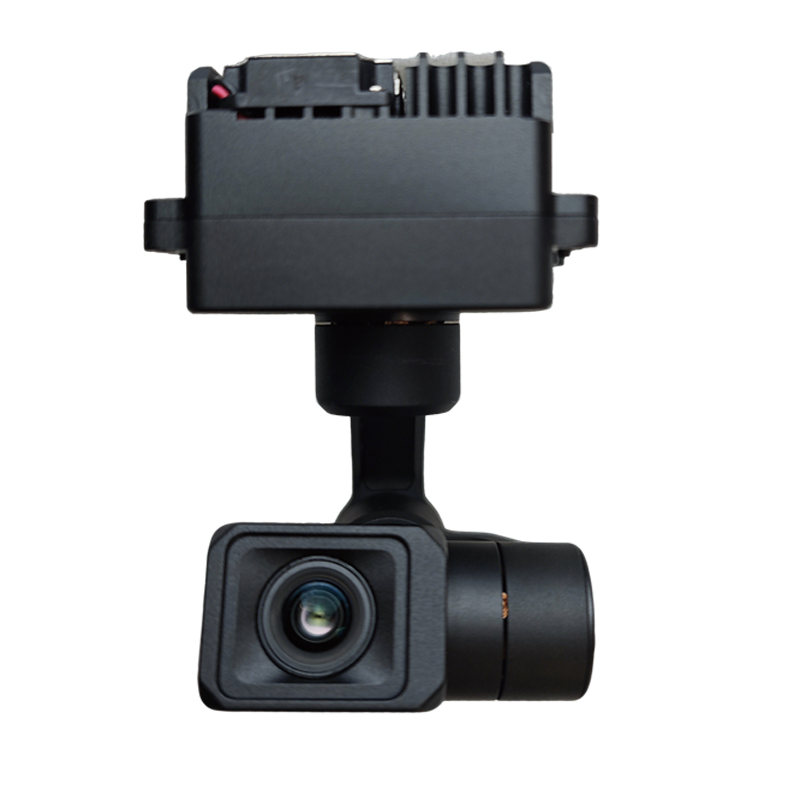
A visible-only inspection may be a reason to consider the TOPOTEK RS2210 and its integrated video-transmission camera package. It is a fixed-lens,1080p30 visible camera on a three-axis gimbal; the listed 9x enlargement is digital. It is not a thermal payload or a substitute for optical zoom when the job needs a different captured framing. Begin by separating visible context from thermal assessment and fine-detail reporting. If a representative visible sample answers the task, define the receiver and operator position around it. If it does not, adding a larger screen or digital enlargement will not create a missing imaging capability.
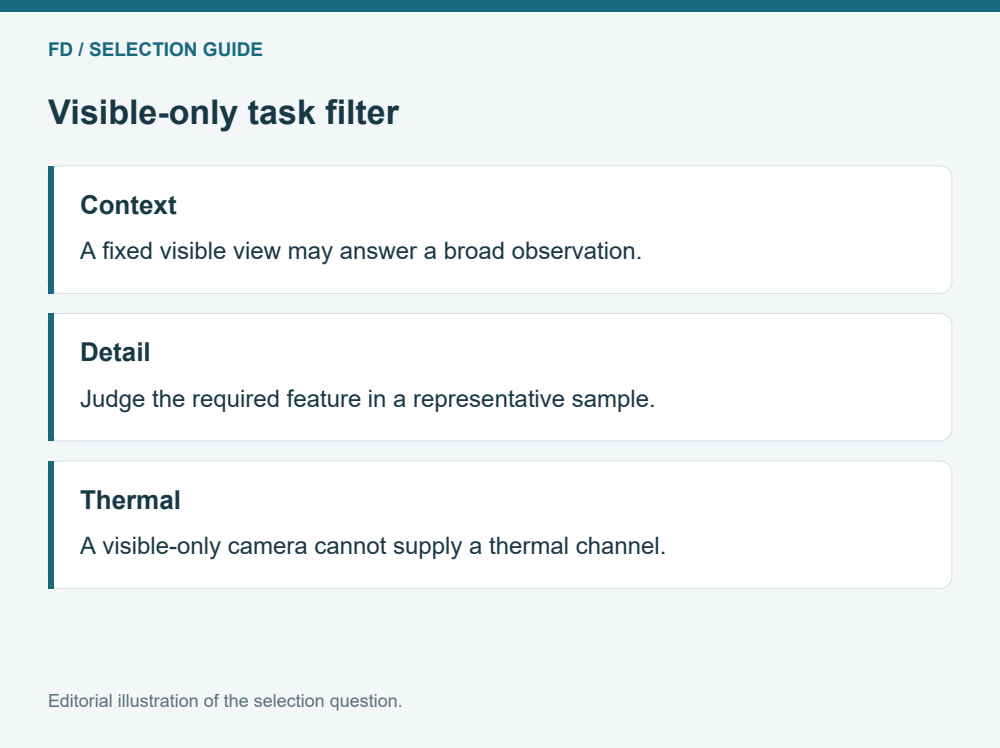
Some inspection questions can be answered with ordinary visible context: where a structure is located, whether a large feature is present, or which area needs a closer assessment by the responsible team. Other questions concern thermal patterns and require a thermal imaging channel. Those are different categories of information.
RS2210 belongs in the visible-only discussion. Before comparing accessories, write the customer’s question in one sentence. If that sentence depends on heat distribution, a visible image cannot answer it just because the camera has a gimbal or an integrated link. If it depends on visible detail, a sample can show whether the fixed-lens view is appropriate.
Do not assume every civil inspection needs both sensors. An additional thermal payload can be unnecessary when the service deliverable uses only visible context. Equally, selecting a visible camera for a thermal task creates a gap that no receiving application can repair. The first buying decision is therefore the required information, followed by the level of detail and the endpoint where it will be used.
The manufacturer identifies a 6mm fixed visible lens and 9x digital zoom. The camera does not gain a variable optical lens when the operator enlarges the displayed picture. Digital enlargement can make a selected area easier to view, but it should not be presented as new optical detail.
For a buyer, the practical question is what fits within the native visible view and whether the important feature occupies a useful part of that picture. A fixed lens can suit repeated overview tasks because the captured angular framing does not need an optical zoom setting. It can also be a poor fit when the customer expects both a broad scene and very fine details from the same position.
Ask to see the original received or recorded picture before any presentation crop, then inspect the enlargement the operator would actually use. This lets you distinguish a convenient viewing aid from evidence that the camera resolves a particular feature. Do not infer a distance capability from the 9x label or use the enlargement value to calculate a guaranteed readable size.
The table puts the purchase into three categories: visible overview, visible detail that still needs evidence, and a task requiring another imaging capability. This is a decision tool rather than a ranking of cameras. It helps a buyer avoid paying for a package before checking whether its core image type answers the job.
For an overview, choose a representative structure and enough surroundings to understand its location. For a detail task, include a feature similar in size and appearance to the one the report must show. If thermal information is required, identify that requirement early and consider the correct payload class.
Treat uncertainty as a request for a better sample. A marketing clip with no identified output mode may be enough to show the general product concept but insufficient to approve the final deliverable. The buyer does not need an elaborate scoring formula. A direct statement such as “the seam cannot be distinguished in this example” is more useful than an invented clarity rating or a general claim that1080p is always enough.
| Task | RS2210 buying question | Decision direction |
|---|---|---|
| Recognizable visible overview | Does a representative native view contain useful context? | Consider the visible-link package |
| Fine visible feature | Can the supplied sample distinguish the required feature? | Request evidence before committing |
| Thermal pattern assessment | Does the deliverable require thermal information? | Select an appropriate thermal-capable payload |
| Larger operator presentation | Is the existing picture useful but awkward to view? | Evaluate viewer layout without claiming new captured detail |
For a building overview, request a scene that shows the relevant facade or roof area with recognizable context. For an equipment inspection, ask for the types of edges, labels or components the recipient actually needs to distinguish. Avoid assuming that a sample from a broad landscape proves the usefulness of small structural details.
Review the picture at the normal intended screen size, then inspect any required crop. If the final deliverable is a visual report, look at an example export rather than only the live screen. If the task is operator-led, use the proposed ground viewer and its ordinary layout.
A usable sample should identify the source camera, delivered video mode and any digital enlargement. It should also make clear whether you are looking at a camera file, a ground recording or an application screenshot. Each can answer a different question. A large screenshot is not evidence of a higher-resolution sensor, and a clear static image cannot establish the complete viewing experience through an untested air-to-ground arrangement.
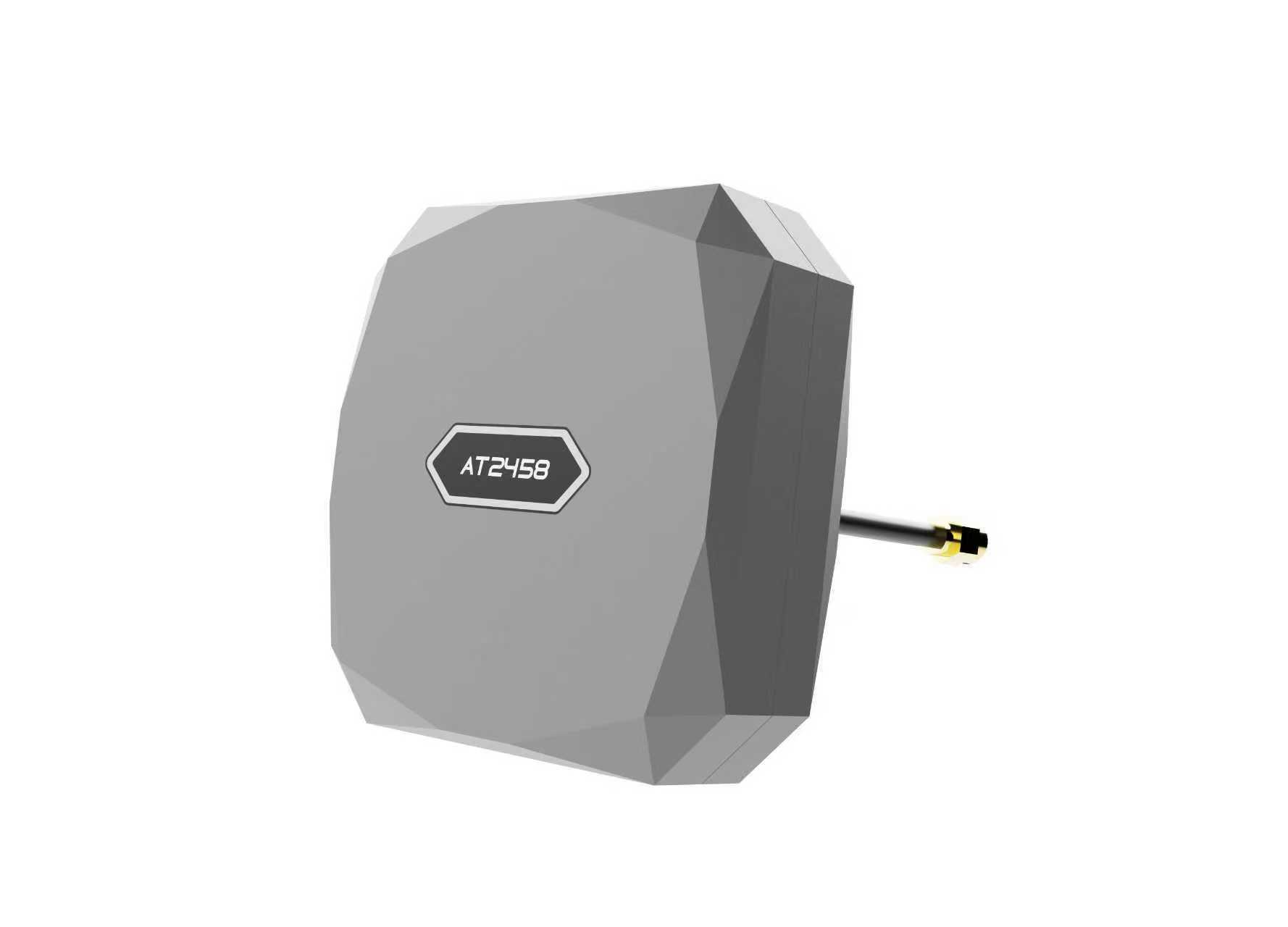
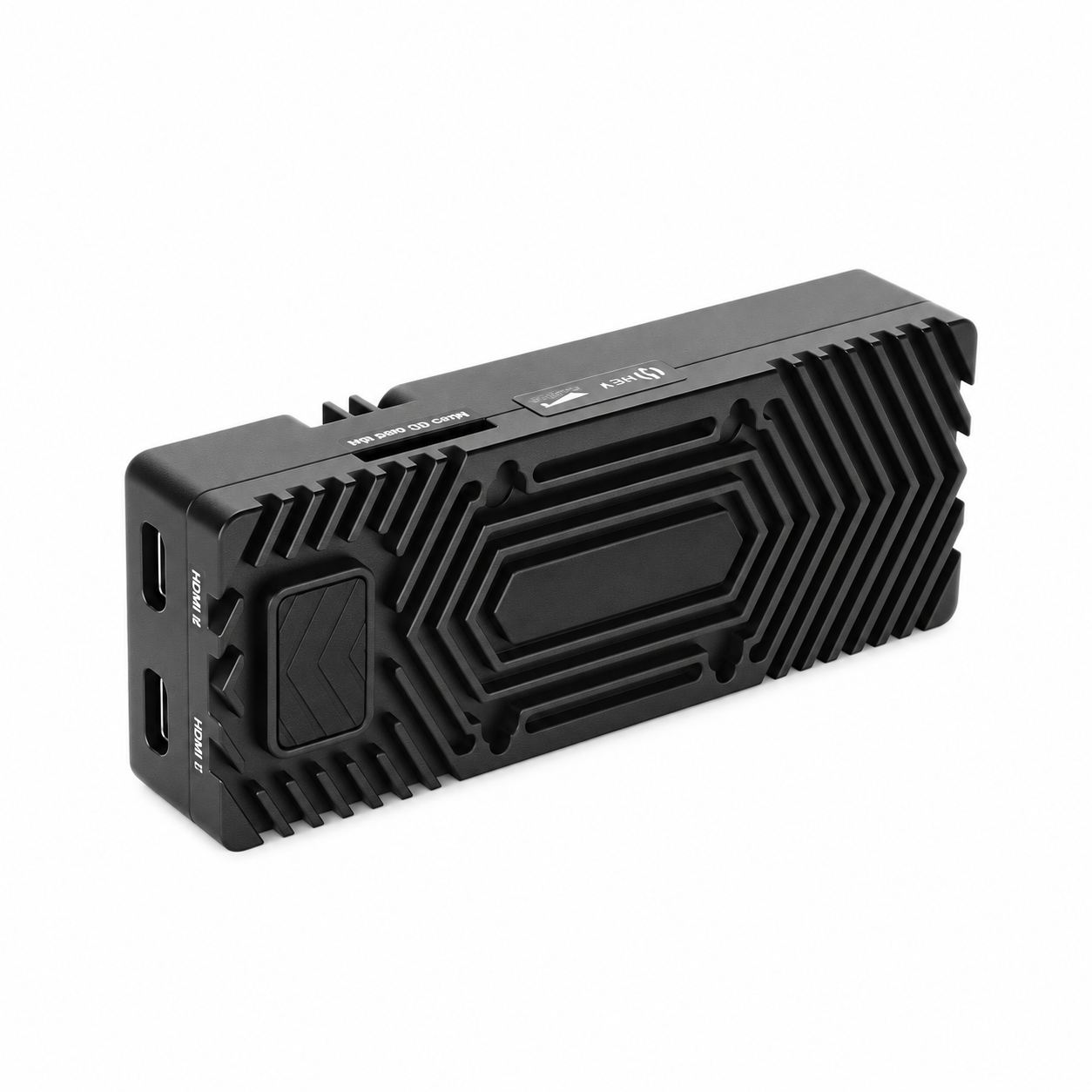
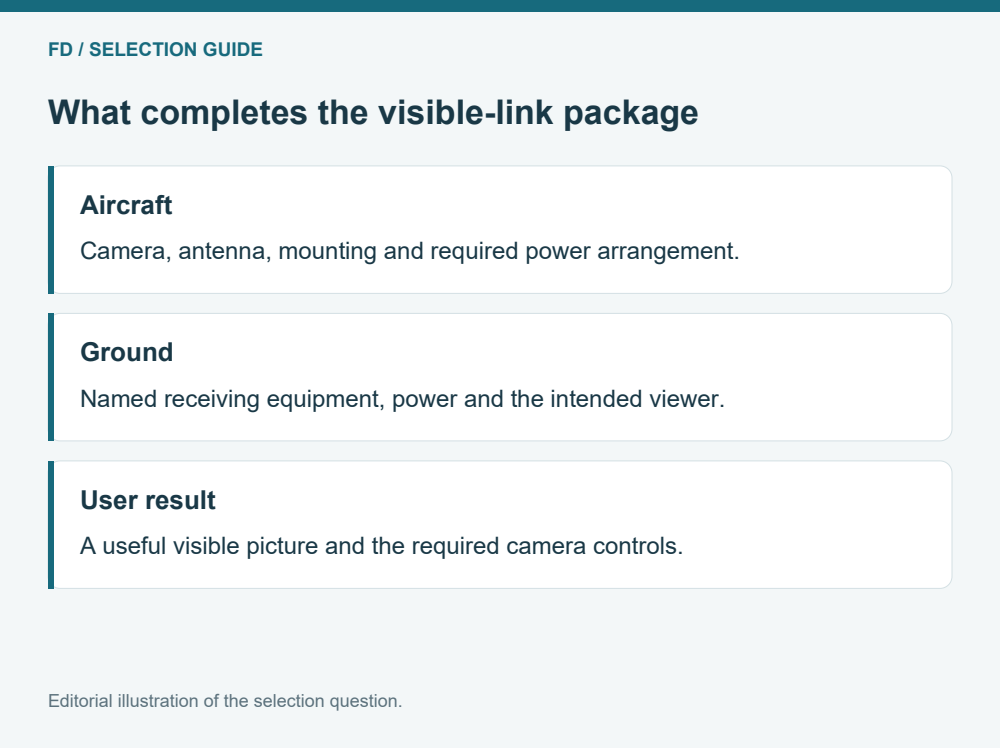
RS2210 combines the camera-gimbal design with video transmission, but the buyer still needs a ground position. Ask which receiver, antennas, power equipment and viewing device are included. The camera photograph does not establish the contents of a supplied kit.
If the project already has an application or monitor, provide its exact input requirements. Ask the supplier how the offered ground equipment reaches that endpoint and which camera controls are available there. Network, serial and S.Bus are listed control methods; their presence does not prove that an existing device supports every camera command.
Keep the demonstration focused on the visible job. Show that the required view arrives at the proposed endpoint and that the operator can perform the necessary framing controls. The integrated designation should make equipment scope easier to define, not hide the boundary between camera, receiver and viewer. A separate ground recorder, if required, belongs in the same functional comparison rather than being assumed to exist inside the receiver.
The published camera mass is 150 ±5g excluding the antenna, with a body size of approximatelyØ120 ×80mm. Include the supplied antenna, mounting, cables and any additional aircraft equipment in the installed allowance. A body-only figure does not define the payload change for a particular UAV.
The manufacturer gives different supply ranges for the two sides:12–28V for the gimbal and 12–16V for the ground unit. These are component-specific references, not permission to use any aircraft battery directly. The actual power design, protection and connectors should be specified by the responsible integrator.
This split is useful when comparing an integrated RS2210 offer with a camera plus a separate link. List aircraft-side equipment together and ground-side equipment together. Then compare the same completed viewing function. Avoid assigning endurance, reliability or range advantages from the standalone camera mass or from a quoted transmission figure whose conditions do not describe the proposed project.
A visible-only fixed-lens package can be a sensible candidate when the customer needs broad context and the representative image is useful at the intended endpoint. It avoids assuming a thermal or optical-zoom requirement that the actual service does not have. That is a requirement-based choice, not a claim that one camera type is universally better.
When the example fails the required visible-detail task, clarify why before adding accessories. A larger monitor may make viewing more comfortable, but it cannot create missing captured detail. A digital crop may isolate a region, but it does not turn a fixed lens into an optical zoom system. If the information itself is missing, reconsider the payload requirement.
Give FD a short description of the visible observation, an example of the smallest required feature, the intended viewer and the available installation allowance. Ask for a defined RS2210 ground kit and a representative sample. That provides a concrete basis for proceeding or for selecting a different imaging class without unsupported compatibility or distance promises.
Does 9x mean optical zoom?
No. TOPOTEK lists a 6mm fixed lens and 9x digital enlargement. Evaluate native captured detail first, then judge whether enlargement helps the operator use the existing picture.
Can this replace a thermal payload?
Only when the task itself no longer requires thermal information. A visible camera can provide context, but it cannot supply a thermal image through software enlargement or a different ground display.
Is the ground unit powered like the gimbal?
The published ranges differ:12–28V for the gimbal and 12–16V for the ground unit. Have the integrator specify the actual component supply arrangements and connectors.
Does the 150g figure include everything installed?
The listed 150 ±5g excludes the antenna. Add the supplied mounting, cables, antenna and other required aircraft equipment before comparing the assembly with your UAV allowance.
What is the most useful first enquiry?
Describe the visible observation and smallest required feature, identify the viewer and ask for a representative sample plus a complete ground-kit scope. This can resolve suitability before discussing optional accessories.
Check RS2210 visible imaging and request a defined ground package

 Tel: +86-15059599996
 Email: info@fpvdroneskit.com
 MP/WhatsApp: +86-15059599996
 Manufacturer Address:Quanzhou Valley Nanan Science and Technology Innovation Center, No. 89 Shijing Avenue, Shijing Town, Nanan City, Fujian Province