Author:Military Drone Manufacturer TIME:2026-09-06
Getting ready for your first real FPV flight is a thrilling yet nerve-wracking moment. You’ve trained in the simulator, you’ve studied your drone, and now it’s time to put those skills into action. But before takeoff, there are key points every beginner should keep in mind to ensure a safe and successful first flight.
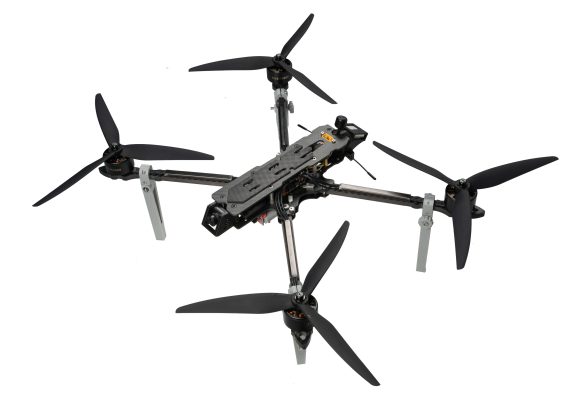
1. Double-Check Your Gear
Make sure your drone is fully charged, your propellers are securely mounted, and your FPV goggles are clean and functioning. Always carry spare props, batteries, and a basic toolkit. A quick pre-flight check can save your gear and your nerves.
2. Choose the Right Location
Pick a wide, open field with minimal obstacles and no crowds. Avoid areas near power lines, buildings, or water. Early mornings are ideal due to calmer wind and fewer distractions. This environment helps you focus and build confidence.
3. Fly Line-of-Sight First
For the first few batteries, fly in Angle or Horizon mode with visual line-of-sight before diving into full FPV mode. Practice smooth throttle control and simple turns to understand your quad’s behavior.
4. Keep It Low and Simple
Stick to basic hovering, forward flight, and slow turns. Avoid tricks or aggressive moves until you’re more comfortable. Keep the aircraft within a clearly visible practice area and the limits that apply to the site.
5. Know the Emergency Procedure
Learn the aircraft's emergency procedures before takeoff. The appropriate response depends on the aircraft and the people or property nearby; do not assume an airborne disarm will produce a gentle landing.
6. Review Your DVR Footage
Always record your flights. Watching the DVR helps identify bad habits, improve control, and relive the thrill of flight. You’ll learn a lot from every session.


 Tel: +86-15059599996
 Email: info@fpvdroneskit.com
 MP/WhatsApp: +86-15059599996
 Manufacturer Address:Quanzhou Valley Nanan Science and Technology Innovation Center, No. 89 Shijing Avenue, Shijing Town, Nanan City, Fujian Province