Author:Military Drone Manufacturer TIME:2026-09-06
Introduction
A pre-flight check helps identify problems with the aircraft, battery and control links before takeoff. It only takes five minutes, but it can save hours of troubleshooting, money, and even your drone.
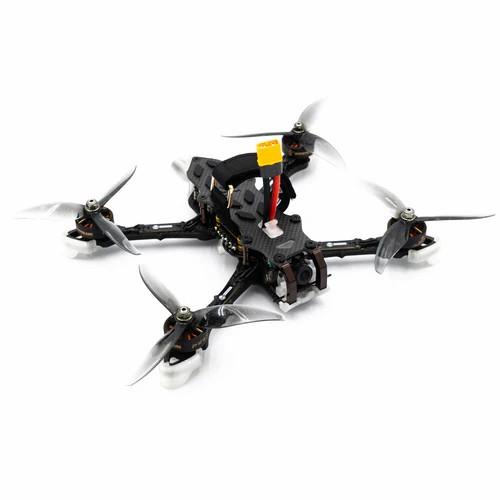
In this post, we’ll walk through a practical, repeatable 5-minute checklist you can follow before every FPV flight — at the field, the park, or anywhere else you fly.

?️ Do a quick physical check:
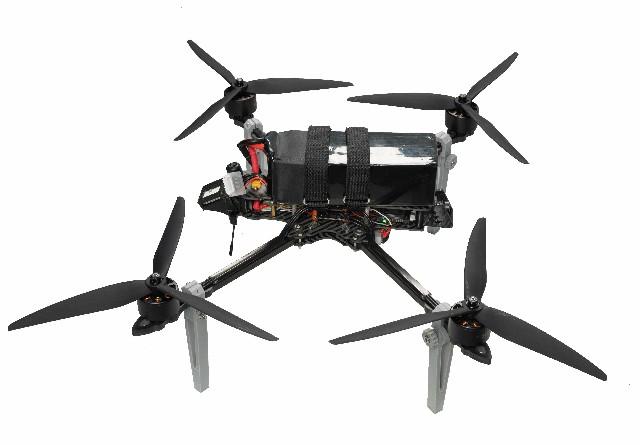
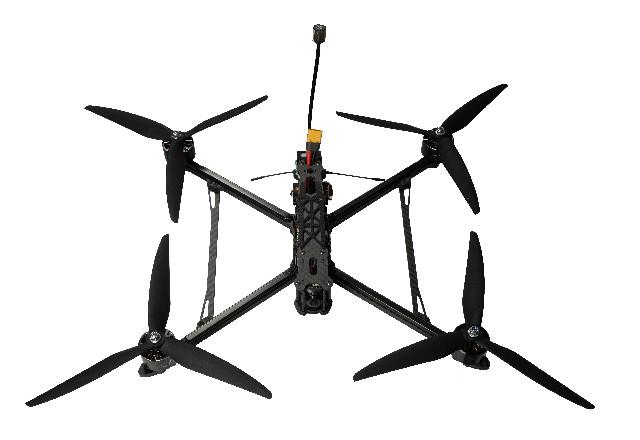
Props tight and not cracked or chipped
Motor screws secure
Arms not bent or cracked
No loose wires or dangling connectors
Battery pad and strap in place
If you had a crash last flight — double check arms, stack, and motor shafts.
? Before plugging in:
Voltage checked (use a LiPo checker)
No puffing or swollen packs
Balance leads intact
Battery strap tight and secure
XT60 plug clean and tight-fitting
NEVER fly with a swollen or unbalanced battery.

? Power up your gear and test:
VTX signal clear in goggles
Video feed stable, no blackouts
RC link active (check stick input feedback)
RSSI / link quality normal
Buzzer or beeper working
GPS lock (if using GPS)
Pro Tip: Wiggle your drone lightly and watch live feed — see if signal cuts.
? Check and toggle your flight modes:
Arm/disarm switch working
Acro / Horizon / Angle modes set correctly
Beeper switch works
Return-to-home or failsafe direction (for GPS drones)
Throttle stick down = motors off
For bench motor checks, remove the propellers and follow the flight controller's test procedure.
?️ Before takeoff, observe:
Wind direction and speed
No people, animals, or traffic in flight area
Nearby Wi-Fi towers, cell masts, or power lines
Sun glare position (especially for camera flights)
Confirm takeoff and emergency landing zone
Optional: tell someone nearby you’re flying, or bring a spotter.
Conclusion
These five minutes could prevent your drone from crashing, burning out, or flying away. Make it a habit, not an option. Your gear will last longer, and you’ll enjoy more stress-free, confident flights.


 Tel: +86-15059599996
 Email: info@fpvdroneskit.com
 MP/WhatsApp: +86-15059599996
 Manufacturer Address:Quanzhou Valley Nanan Science and Technology Innovation Center, No. 89 Shijing Avenue, Shijing Town, Nanan City, Fujian Province