Author:Military Drone Manufacturer TIME:2026-09-06
Introduction
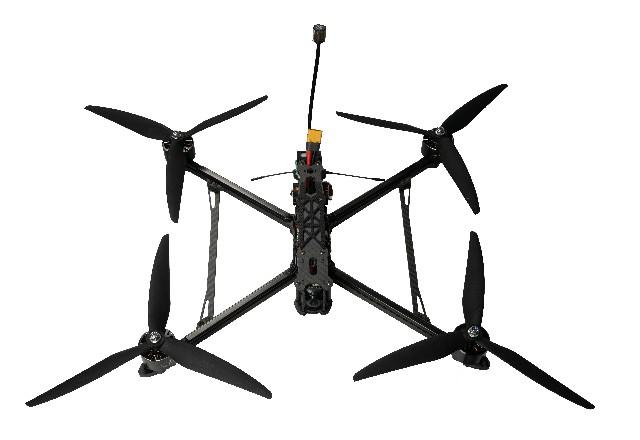
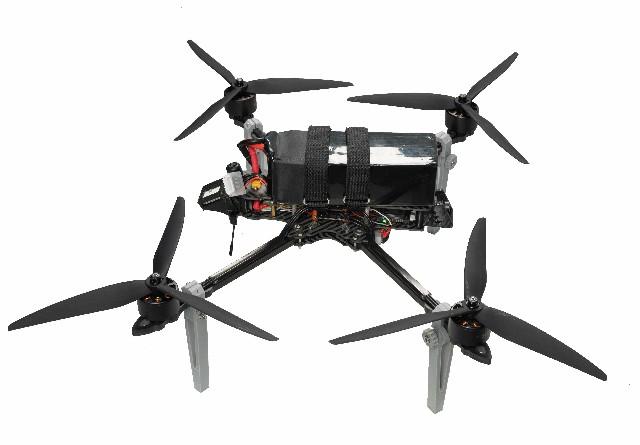
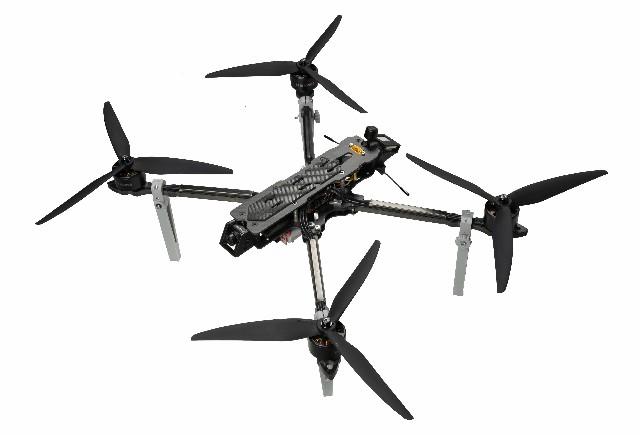
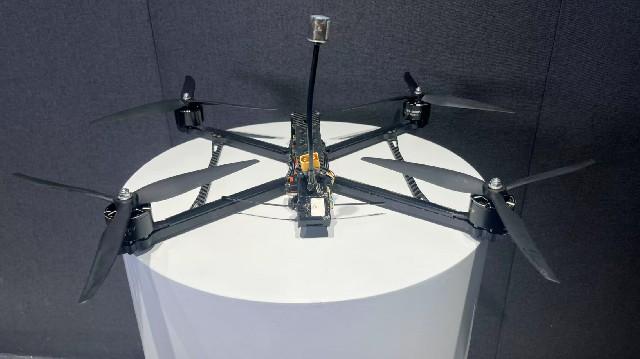
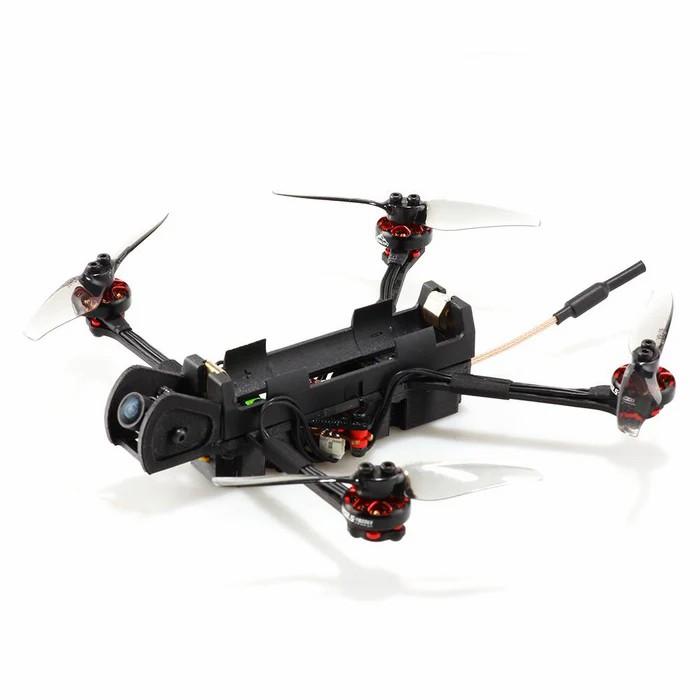
The role of unmanned systems in military operations has expanded significantly over the past decade. Within this landscape, FPV drones have emerged as a distinct category of tactical platforms designed for speed, precision, and direct human control. Rather than replacing larger UAVs, FPV drones support modern forces by addressing mission requirements that demand immediate situational awareness and rapid response.
FPV Drones as Tactical Assets
FPV drones operate primarily at the tactical level. Their small size and rapid deployment allow them to be used directly by forward units rather than centralized command structures. This decentralization aligns with modern military doctrines that emphasize initiative and adaptability at lower echelons.
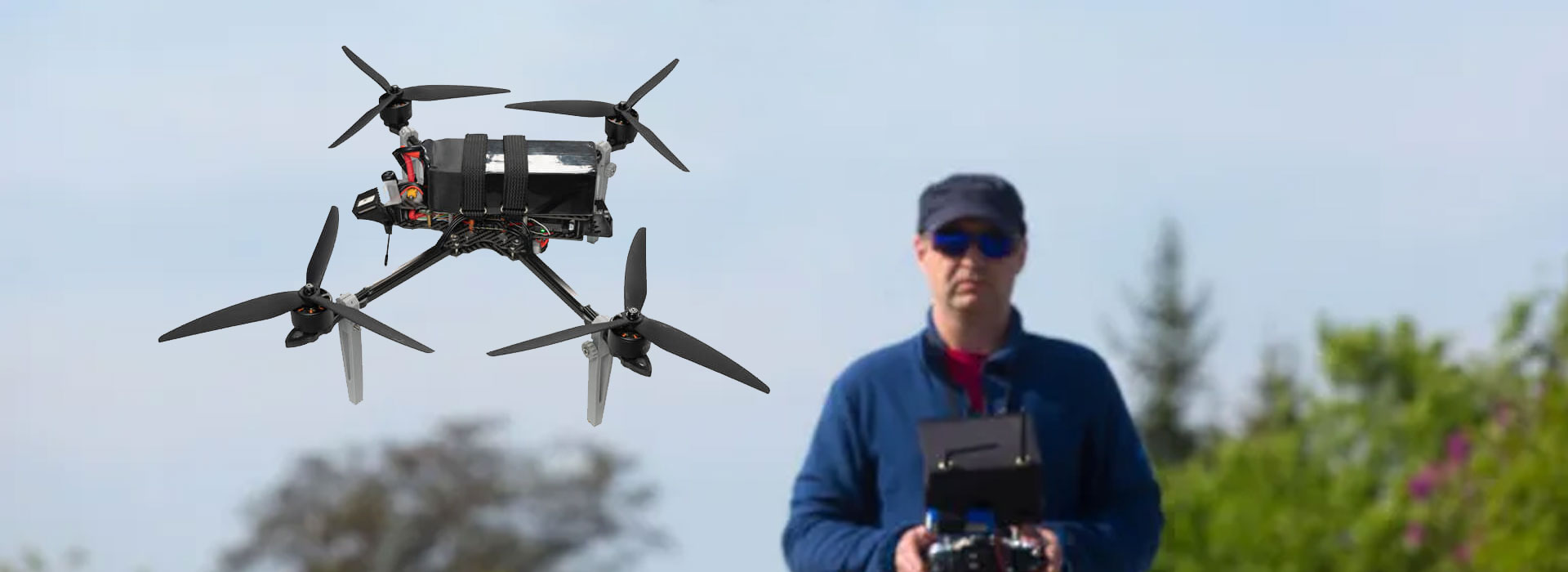
Because FPV drones are manually piloted using real-time video, they can react instantly to changing battlefield conditions. This capability makes them effective in environments where pre-programmed flight paths may fail.
Integration into Military Operations
In operational use, FPV drones are often integrated into combined arms frameworks. They provide visual intelligence that supports infantry movement, armor positioning, and engineering activities.
Their ability to operate close to terrain allows FPV drones to support missions such as route reconnaissance, obstacle inspection, and immediate area surveillance without relying on high-altitude platforms.
Operational Tempo and Decision-Making
One of the key contributions of FPV drones is their impact on operational tempo. Real-time visual feedback shortens decision cycles, enabling commanders and operators to act quickly based on current conditions rather than delayed information.
This acceleration of observe–orient–decide–act processes can be decisive in fast-moving engagements.
Survivability in Contested Environments
FPV drones typically present a small visual, acoustic, and electronic signature. When combined with low-altitude flight profiles, this reduces detectability and improves survivability.
Additionally, their relatively low cost allows them to be deployed in higher numbers, reducing the operational impact of individual platform losses.
Implications for Military UAV Programs
The growing use of FPV drones has influenced how military organizations approach UAV procurement and force structure. Instead of relying exclusively on high-end systems, many forces are adopting layered unmanned capabilities that include FPV platforms for close-range tasks.
For manufacturers, this shift creates demand for systems that balance performance, reliability, and scalability.
Conclusion
FPV drones play a growing role in modern military operations by providing agile, human-controlled aerial capability at the tactical level. Their integration into operational planning enhances situational awareness, accelerates decision-making, and supports decentralized force structures. As military concepts continue to evolve, FPV drones are likely to remain a key operational tool.

 Tel: +86-13959965075
 Email: info@fpvdroneskit.com
 MP/WhatsApp: +86-13959965075
 Manufacturer Address:Quanzhou Valley Nanan Science and Technology Innovation Center, No. 89 Shijing Avenue, Shijing Town, Nanan City, Fujian Province