Author:Military Drone Manufacturer TIME:2026-09-06
Introduction
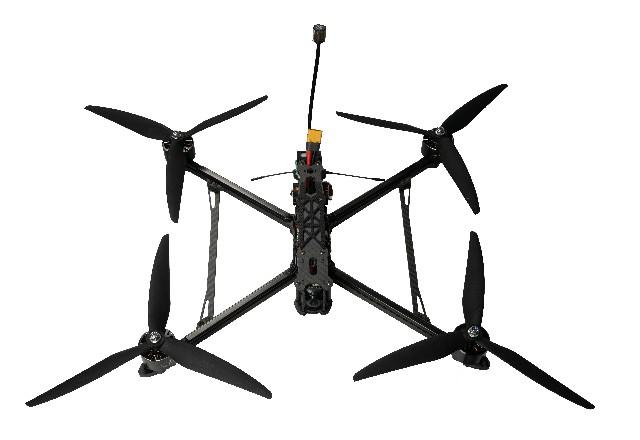
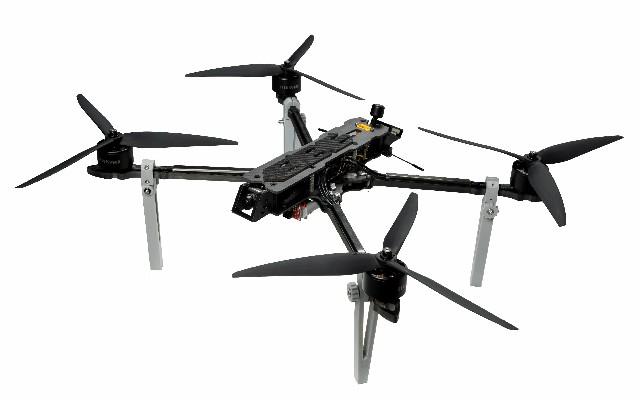
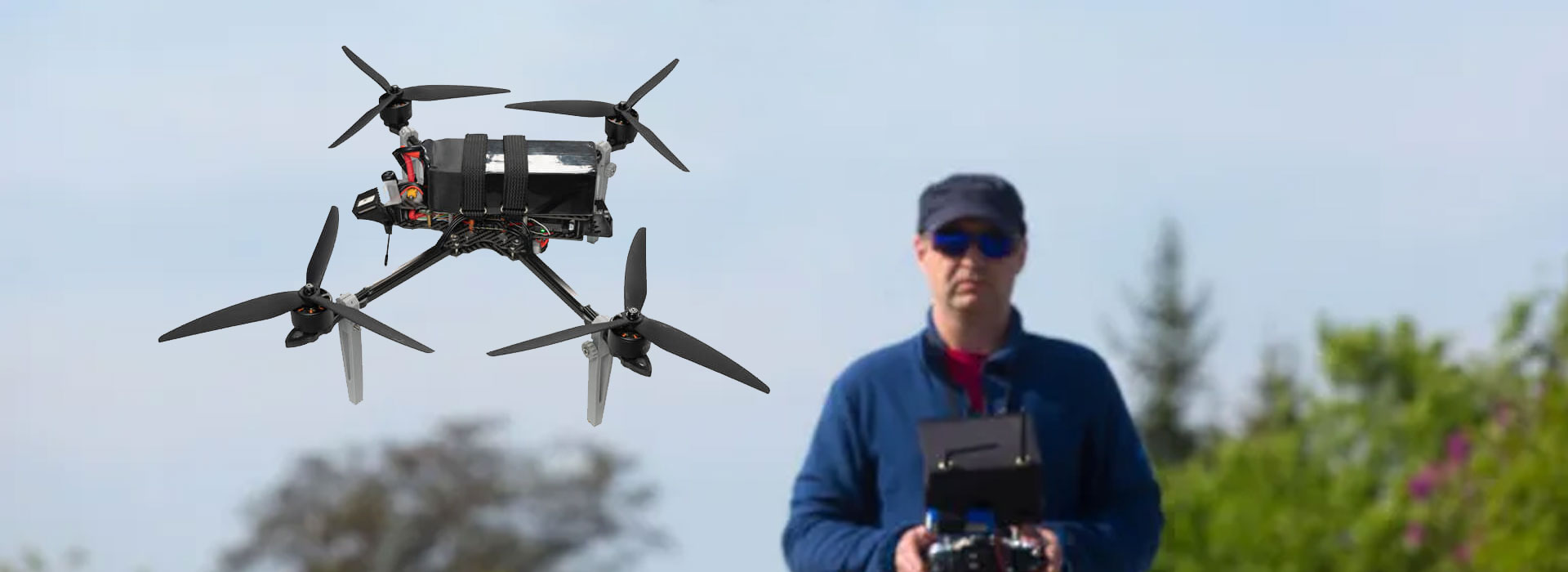
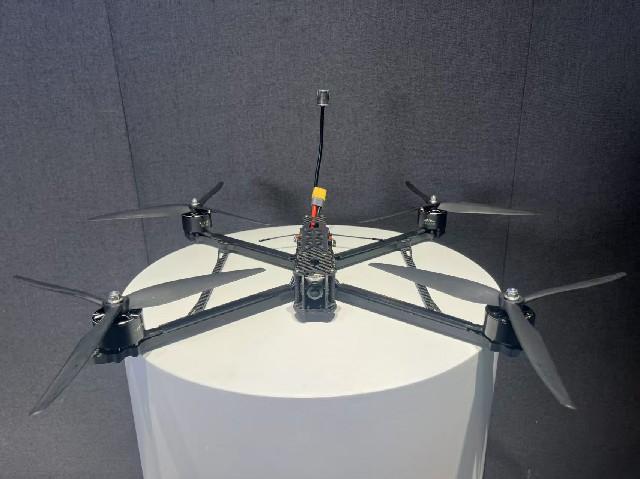
The modern battlefield is undergoing a significant transformation driven by rapid advances in unmanned systems. Among these, FPV drones have emerged as a disruptive force, reshaping how military operations are conducted at the tactical level. Their speed, precision, and human-controlled operation are altering traditional assumptions about airpower, surveillance, and engagement.
Shifting the Nature of Tactical Airpower
Historically, aerial capability was concentrated in high-value platforms operated by centralized units. FPV drones shift this model by distributing aerial capability directly to frontline forces.
With minimal infrastructure and rapid launch capability, FPV drones enable small units to gain immediate access to aerial perspectives. This redistribution changes how airpower is applied, making it more flexible and responsive to ground-level needs.
Impact on Battlefield Transparency
FPV drones contribute to increased battlefield transparency. Real-time visual access reduces uncertainty about terrain, enemy movement, and environmental conditions.
This transparency shortens reaction times and allows forces to respond dynamically rather than relying on delayed intelligence feeds. As a result, the tempo of operations increases, placing greater emphasis on speed and adaptability.
Operating in Complex Environments
Modern conflicts frequently take place in urban, forested, or otherwise cluttered terrain. FPV drones are particularly well suited to these environments due to their small size and maneuverability.
They can operate close to structures, fly through narrow spaces, and maintain visual contact where larger UAVs are restricted. This capability fundamentally changes how forces approach close-quarters and urban operations.
Influence on Force Structure and Tactics
The widespread use of FPV drones is influencing military force structures. Units increasingly integrate FPV operators into tactical teams, treating drones as organic assets rather than external support.
This integration encourages experimentation with new tactics and emphasizes decentralized decision-making, where local operators act based on immediate information.
Challenges and Countermeasures
As FPV drones reshape the battlefield, they also drive the development of countermeasures. Electronic interference, detection systems, and physical defenses are evolving in response.
This interaction accelerates a continuous cycle of adaptation, where platform design and operational tactics must evolve together.
Conclusion
FPV drones are changing the battlefield by redistributing airpower, increasing transparency, and enabling new tactical approaches. Their influence extends beyond technology, affecting doctrine, training, and force organization. As conflicts continue to evolve, FPV drones will remain a key factor shaping modern battlefield dynamics.


 Tel: +86-13959965075
 Email: info@fpvdroneskit.com
 MP/WhatsApp: +86-13959965075
 Manufacturer Address:Quanzhou Valley Nanan Science and Technology Innovation Center, No. 89 Shijing Avenue, Shijing Town, Nanan City, Fujian Province