Author:Military Drone Manufacturer TIME:2026-09-06
Introduction
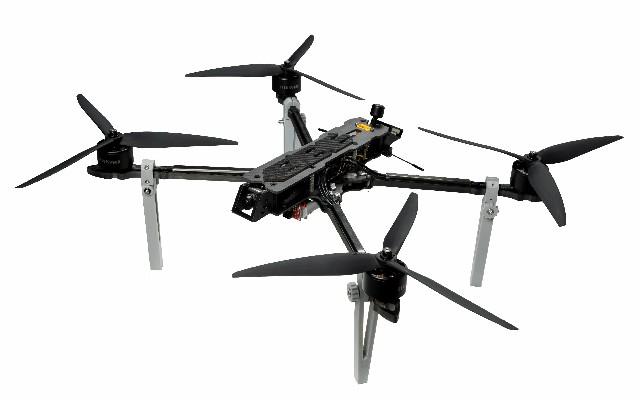
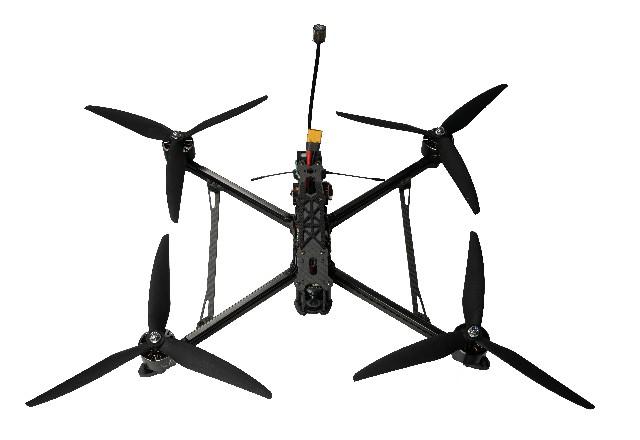
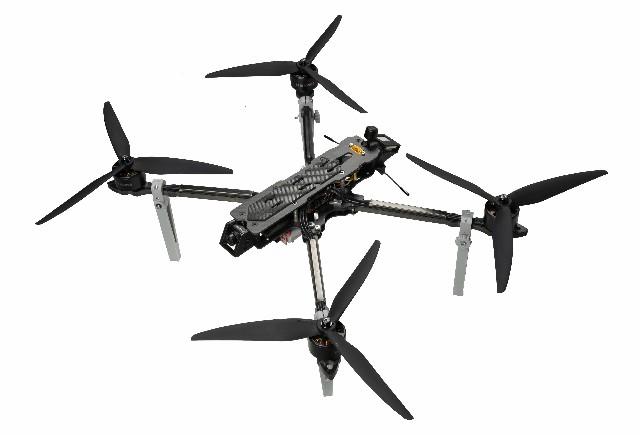
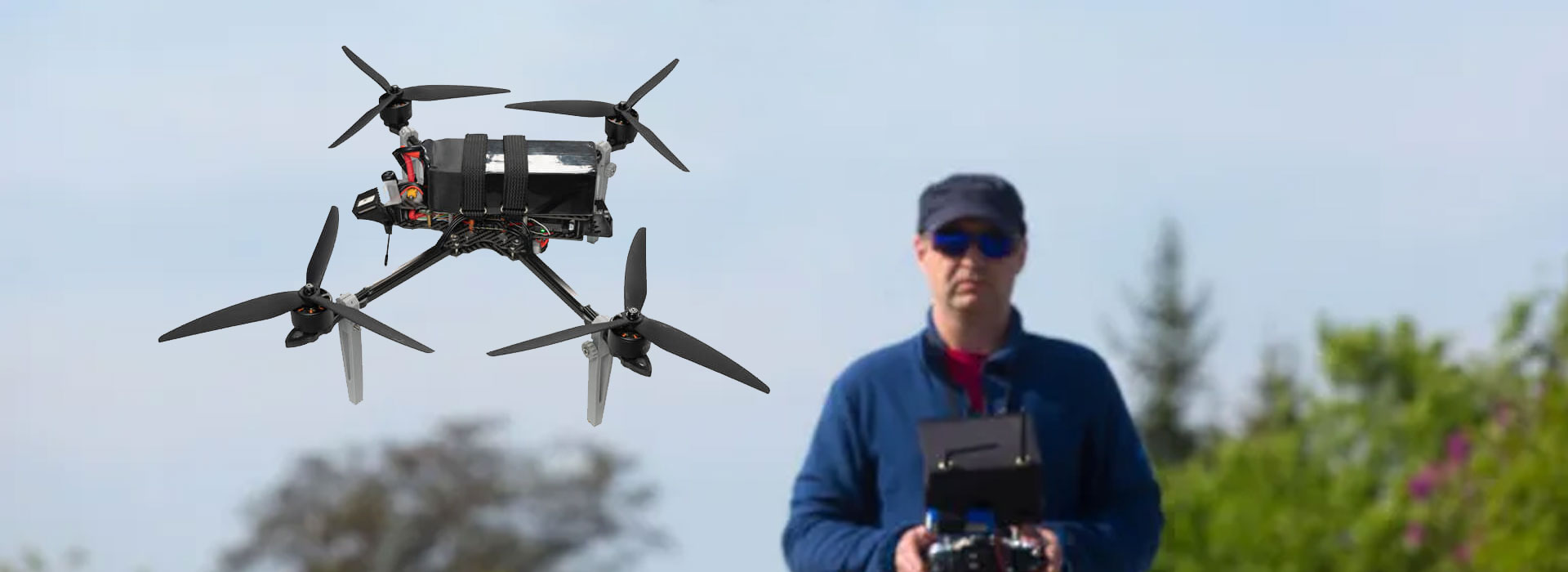
Effective situational awareness enables military units to anticipate threats, coordinate movement, and respond decisively. FPV drones contribute to this capability by offering immediate visual insight from the operator’s perspective. Their growing use reflects the importance of real-time information at the tactical edge.
First-Person View as an Intelligence Tool
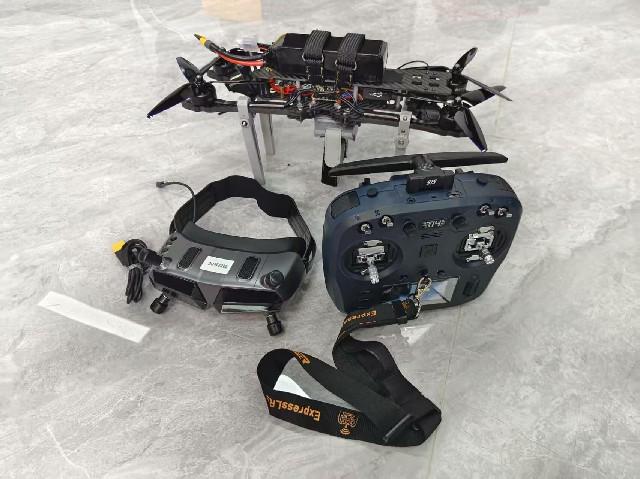
The first-person view provided by FPV drones allows operators to experience the environment as if they were physically present. This immersive perspective improves spatial understanding and supports intuitive judgment.
Compared to delayed or indirect intelligence sources, FPV video allows for faster comprehension of unfolding situations.
Enhancing Awareness in Complex Terrain
FPV drones excel in environments where visibility is limited by terrain or infrastructure. Urban areas, forests, and confined spaces often restrict line-of-sight observation from the ground.
By flying close to obstacles and structures, FPV drones extend awareness beyond natural limitations, revealing hidden movement or terrain features.
Continuous Information Flow
FPV drones provide a continuous stream of visual information rather than isolated data points. This uninterrupted flow supports ongoing assessment and reduces reliance on assumptions or outdated intelligence.
Continuous awareness is particularly valuable during extended or multi-phase operations.
Supporting Command and Control
Although FPV drones are often operated at the tactical level, their visual data can support broader command and control processes. Information gathered by FPV platforms can be shared with adjacent units or higher command elements when needed.
This flexibility enhances coordination without delaying immediate decision-making.
Design Considerations for Awareness Enhancement
For manufacturers, improving situational awareness requires attention to camera performance, transmission stability, and control responsiveness. These factors directly influence the quality and reliability of visual intelligence.
Systems that deliver consistent video quality under challenging conditions provide greater operational value.
Conclusion
FPV drones play an increasingly important role in improving tactical situational awareness. Their ability to deliver real-time, immersive visual information enhances understanding of the battlefield and supports faster, more informed decisions. As defense operations evolve, FPV drones will remain essential tools for maintaining awareness at the point of action.

 Tel: +86-13959965075
 Email: info@fpvdroneskit.com
 MP/WhatsApp: +86-13959965075
 Manufacturer Address:Quanzhou Valley Nanan Science and Technology Innovation Center, No. 89 Shijing Avenue, Shijing Town, Nanan City, Fujian Province