Author:Military Drone Manufacturer TIME:2026-09-06
Introduction
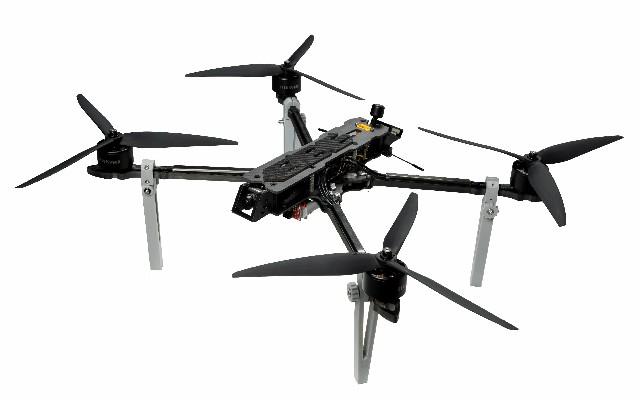
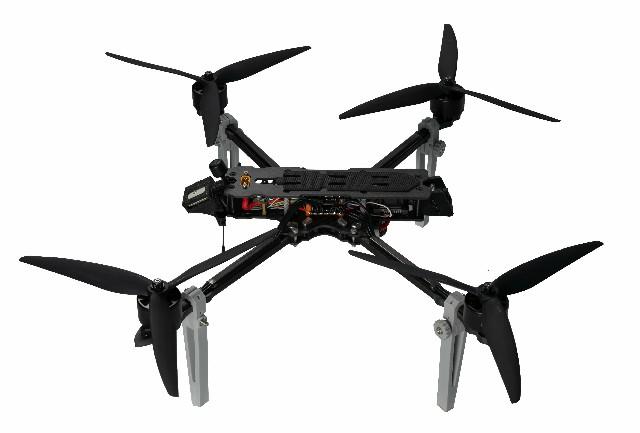
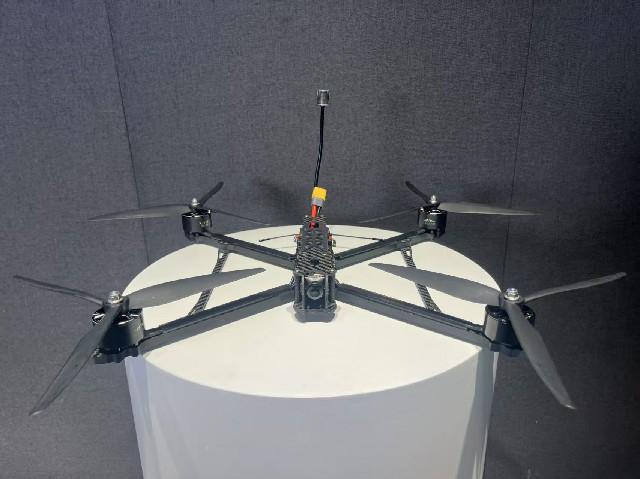
The rapid adoption of FPV drones signals the emergence of a new category within tactical UAV systems. Unlike traditional platforms designed around centralized control and long-duration missions, FPV drones emphasize immediacy, flexibility, and operator-level integration. This shift reflects broader changes in how military forces approach unmanned capabilities.
Redefining Tactical UAV Capabilities
FPV drones redefine what tactical UAVs can achieve. Their ability to operate close to terrain and respond instantly to operator input allows them to perform missions that were previously difficult or impossible for unmanned systems.
This redefinition expands the scope of aerial support available to small units.
Operational Advantages at the Tactical Edge
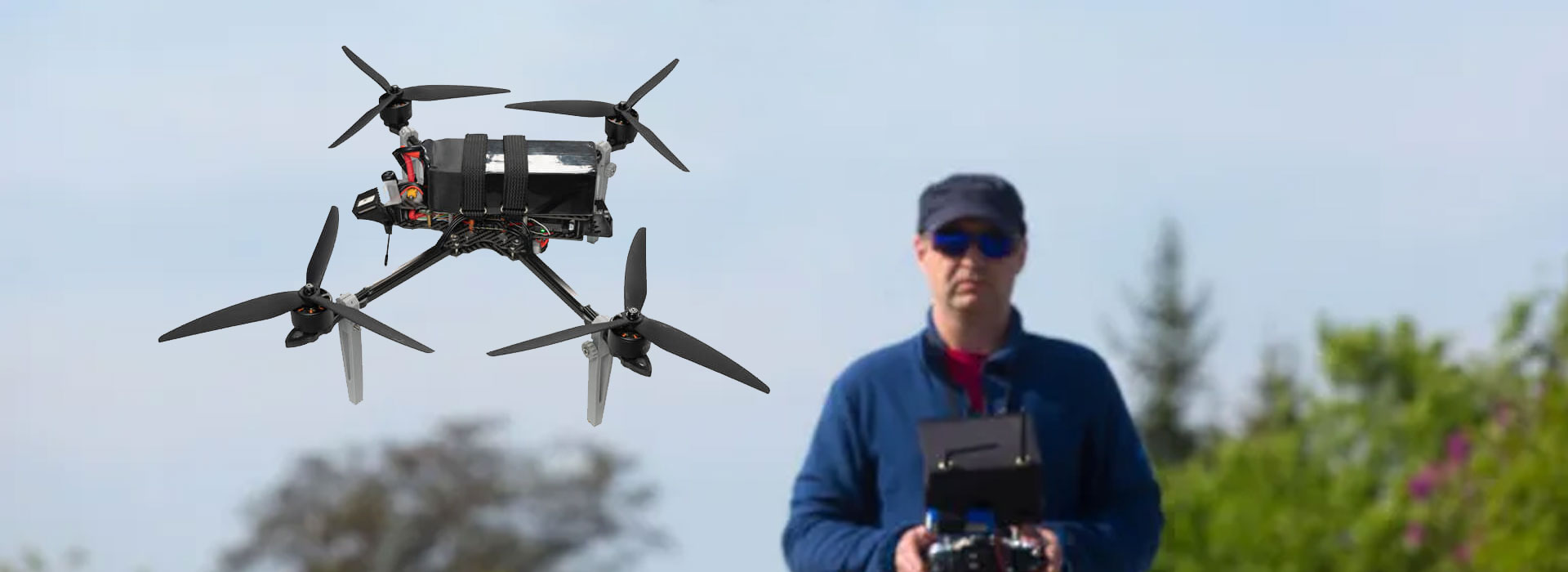
At the tactical edge, FPV drones provide immediate access to aerial observation and maneuver. This capability enhances responsiveness and reduces reliance on external assets.
The result is greater autonomy and effectiveness for units operating in dynamic environments.
Complementing Existing Unmanned Systems
FPV drones are not intended to replace traditional UAVs. Instead, they complement existing systems by filling a specific operational niche.
This layered approach to unmanned systems increases overall flexibility and resilience within military forces.
Manufacturing and Development Considerations
Developing FPV drones for defense use requires attention to production consistency, component quality, and system reliability. Rapid iteration and feedback-driven design are particularly important in this category.
Manufacturers that support continuous improvement gain long-term relevance.
Future Outlook for Tactical FPV Systems
As technology and doctrine continue to evolve, FPV drones are likely to become more integrated into standard military equipment sets. Their role as tactical unmanned systems will expand alongside advancements in communication and control technologies.
Conclusion
FPV drones represent the emergence of a new tactical UAV category shaped by modern operational demands. Their flexibility, human-centered control, and tactical integration position them as enduring elements of future military capabilities.


 Tel: +86-13959965075
 Email: info@fpvdroneskit.com
 MP/WhatsApp: +86-13959965075
 Manufacturer Address:Quanzhou Valley Nanan Science and Technology Innovation Center, No. 89 Shijing Avenue, Shijing Town, Nanan City, Fujian Province