Author:Military Drone Manufacturer TIME:2026-09-06
Compare complete video systems. Choosing digital or analog FPV video starts with the equipment you plan to keep: the camera, transmitter, receiver and display. Check which combinations those devices actually support before comparing a new system's picture or recording features. A format label cannot establish latency, compatibility or the contents of a kit on its own. Use the same purchasing questions for both options, including necessary adapters and replacement parts, so that the comparison describes a complete usable arrangement rather than two isolated headline specifications.
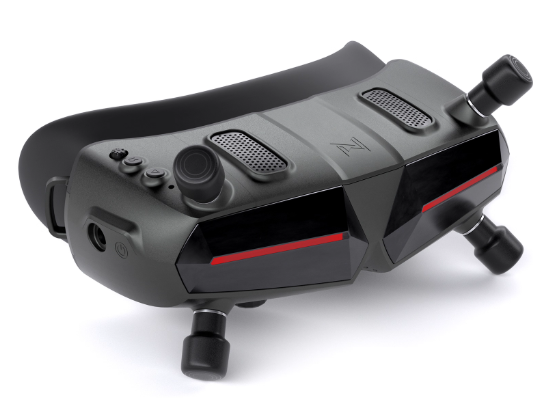
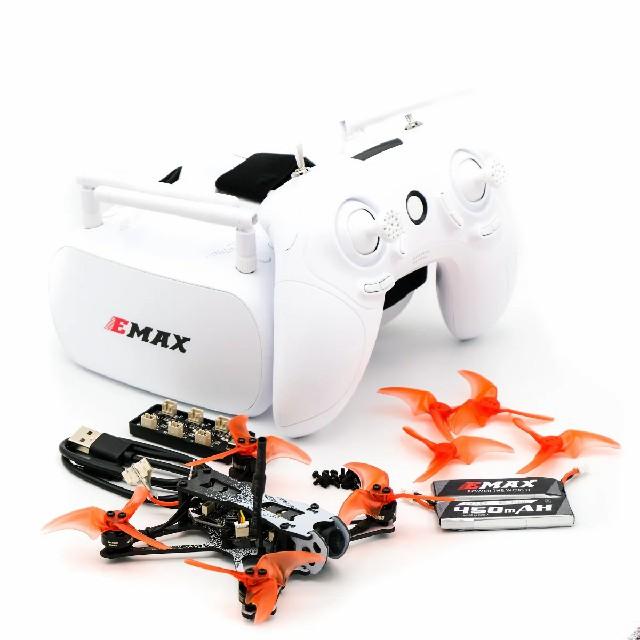
Write down the model, revision, firmware target, battery type, radio system, video system, and the parts that are included in the quotation or box. A name alone is not enough to establish compatibility. For this decision, the most relevant details are display compatibility, receiver type, recording needs, latency expectations, antenna connections, and available support parts. If a seller lists a headline number without the battery, environmental conditions, or test method, treat it as a question rather than as a promise. Keeping a short record makes later troubleshooting and spare-parts ordering much more reliable.
Use a simple three-column note: confirmed, optional, and to confirm. This prevents an accessory, connector, or firmware option from being mistaken for standard equipment. It also keeps the conversation with a supplier focused on evidence such as a current bill of materials, a wiring diagram, a manual, or photographs of the exact revision.
Compatibility is usually decided by interfaces rather than marketing labels. Check physical mounting, voltage range, connector type, radio protocol, video format, antenna connection, and the space available in the frame. Compare these details against the parts already on the bench. A component can be well made and still be a poor fit if it needs an adapter, a different supply voltage, or firmware that the existing system cannot support.
Ask for part numbers where possible. Part numbers reduce ambiguity when several revisions have similar names. They also make it easier to identify compatible spares and to compare a supplier quote with the manufacturer's documentation. Record any adapter or conversion step separately so it is visible during the final check.
Before any outdoor use, inspect the frame, fasteners, wiring insulation, connectors, antenna fit, and battery lead with power disconnected. When power is applied for a permitted bench check, remove propellers and keep the test short. Confirm that the radio inputs, video display, telemetry where fitted, and failsafe behavior are documented. Do not improvise from an unfamiliar setting; pause and consult the relevant manual or qualified support if the result differs from the record.
A bench check is not a substitute for a lawful flight plan. Its purpose is to find obvious assembly, configuration, or compatibility issues early. Keep notes on what was tested, the battery used, the firmware version, and any part that still needs confirmation. This creates a useful handover record if the model is maintained by another pilot or technician.
| Question | Evidence to request | Decision rule |
|---|---|---|
| What is included? | Current bill of materials and revision identifier | Do not assume optional parts are supplied |
| Will it connect? | Voltage, connector, protocol, and mounting details | Confirm every interface before purchase |
| How was a figure measured? | Battery, temperature, wind, reserve, and test setup | Treat unstated conditions as unconfirmed |
| Can it be maintained? | Manual, spare-parts list, and support route | Prefer documented service access |
This format makes supplier replies easier to compare. It also separates a measured fact from an estimate. When information is missing, add it to the quotation as a confirmation item instead of filling the gap with an assumption. That approach is slower at the beginning, but it avoids costly rework after the parts arrive.
Where more than one option is viable, favor the option with a clear manual, accessible spares, documented connectors, and a support contact that can answer configuration questions. Keep the first order small when practical, then inspect the delivered parts against the record before committing to a wider rollout. This is especially useful when a product description may cover several revisions or regional variants.
For the next comparison step, review the relevant FPV product category and send the supplier the exact missing inputs. A complete request includes the intended lawful environment, experience level, existing radio and video equipment, battery details, and the parts that must remain compatible.
Is the headline range, flight time, or speed guaranteed? No. Those figures depend on the stated setup and conditions. Ask how the value was measured and what reserve was used.
Can a new component be mixed with existing equipment? Only after the voltage, protocol, connector, mounting, and firmware requirements have been checked against the exact parts in use.
What should happen when information is unavailable? Mark it as to confirm, do not guess, and keep the order or bench test within a safe, reviewable scope.
Finish with a short configuration sheet that lists the model revision, component part numbers, battery and connector standard, radio and video setup, firmware version, bench-check date, and the items still awaiting confirmation. This record is more useful than a generic specification list because it reflects the actual setup. Review it again before a lawful flight, after maintenance, and whenever a key component changes.
Compare the cost and support scope of the complete digital and analog arrangements you could actually use. Name the parts retained, the parts replaced and any extra interface equipment. That gives the format decision a practical basis without inventing a performance result for either system.

 Tel: +86-15059599996
 Email: info@fpvdroneskit.com
 MP/WhatsApp: +86-15059599996
 Manufacturer Address:Quanzhou Valley Nanan Science and Technology Innovation Center, No. 89 Shijing Avenue, Shijing Town, Nanan City, Fujian Province