


Assign the SIM or cellular service, any platform account and video access to named owners before accepting a 5G Intelligent Cloud Box arrangement. Buying the hardware does not establish who pays for connectivity, administers users or retains project footage. Ask the supplier to identify the actual service dependencies and confirm which items are included, separately purchased or customer-managed. The available product reference identifies a cellular video and data communication box; disputed numerical specifications remain outside this discussion. A responsibility sheet and a witnessed authorized-access check give the team a practical handover without assuming a bundled cloud service or unlimited coverage.
Separate a hardware delivery from a service
The name “5G Intelligent Cloud Box” identifies the offered product, but does not define a subscription. A quotation should state whether it contains hardware only, selected connectivity items or an identified application service. Do not infer a SIM, data allowance, user account or platform subscription from the word cloud. If a requirement depends on a service, make that dependency visible.
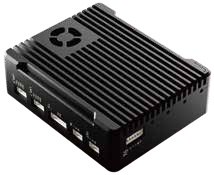
The current product page describes cellular video and data communication and shows the photographed housing. Its conflicting numerical entries were omitted rather than resolved by guessing. This article therefore does not establish network bands, transfer rates, coverage, approved operators or camera formats. Obtain configuration-specific confirmation when any of those details affects the project.
For a civil observation or research project, the hardware can be one part of a larger workflow: a source creates information, connectivity carries it and an authorized viewer receives it. Each boundary needs an owner and supporting records. This is a general responsibility model, not proof that the box supplies every part or that a particular platform already works with it.
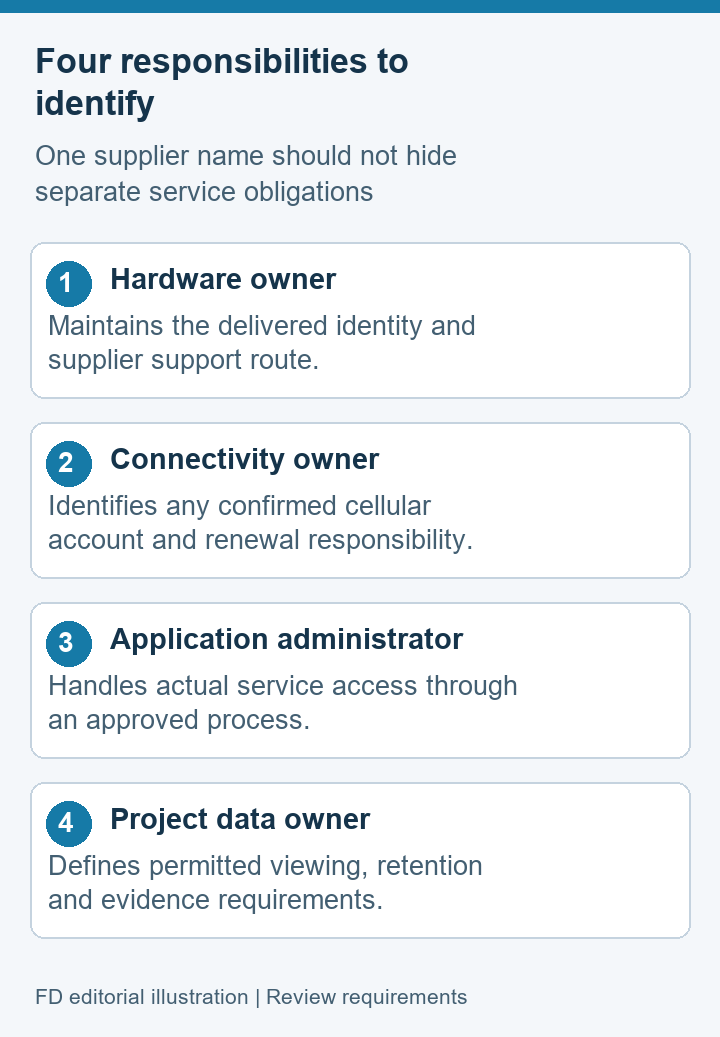
Name the owners before requesting access
Maintains the supplied unit's identity and requests support through the agreed supplier route. This role records revisions and delivery documentation.
Identifies the actual cellular-service arrangement, account holder and renewal responsibility. It supplies confirmation appropriate to the project.
Manages any confirmed viewing platform or service account under the organization's approved process. It explains who can approve access changes.
Decides which permitted information should be retained and which authorized users need it. Its requirements should reach the integration team.
One organization may perform several roles, but a single name in a quotation should not hide separate obligations. Ask the supplier what it supports after delivery and what remains with the customer or another integrator. If no application service is involved, state that clearly rather than inventing an administrator for a nonexistent platform.
Keep ownership different from a temporary demonstration login. A vendor may show a sample using an account that is not transferred to the purchaser. The team needs to know whether the final service is customer-owned, supplier-managed or outside the offer. Record any transition required before the sample demonstration can represent the delivered arrangement.
Write a service responsibility table
Use a responsibility table to turn uncertain dependencies into answerable questions. The rows below are possible scope items, not a list of services supplied with the product. Complete only the rows relevant to the selected arrangement and mark excluded or unnecessary items explicitly.
| Possible dependency | Statement needed | Named responsibility |
|---|---|---|
| Cellular service | Required service type and confirmed supply status | Account holder and renewal owner |
| Viewing application | Actual application or platform and supported arrangement | Provider and application support contact |
| User access | Who approves and administers authorized access | Project administrator or confirmed service owner |
| Retained information | Whether storage exists and what the project requires | Data owner and confirmed storage provider |
| Support after delivery | Hardware and service support boundaries | Contacts for each actual supplied component |
Purchasing should be able to identify recurring obligations from this record without reading a technical setup guide. Ask whether any initial allowance expires and who receives the renewal notice, when applicable. Do not invent prices, contract lengths or operating costs. A simple “not established; awaiting provider confirmation” is a useful status when an offer lacks those details.
When several parties contribute, include the accepted offer or service-document reference for each. This prevents a supplier's hardware warranty from being mistaken for an application-service commitment and prevents a connectivity account from being mistaken for a permission to view project information.
Ask what the intended viewer actually needs
Define the viewing task before asking for an account. Does the authorized user need a live scene, project data or retained records? Which application is intended, and what source should it receive? These questions determine what the service description needs to establish. They do not prove that any one function is included in the box.
Request a witnessed demonstration using the final agreed arrangement or clearly document why a sample differs. Record the application identity, source identity and access role used. A working supplier demonstration account can show an observation, but cannot demonstrate that the purchaser owns the service or can administer the delivered users.
Also ask which conditions remain untested. A cellular product name cannot promise availability wherever the project goes. The connectivity owner and integration team must confirm the selected service and relevant conditions through appropriate evidence. Keep a successful viewing session limited to its actual configuration rather than describing it as unlimited range, uninterrupted operation or a universal remote-control solution.
Keep credentials out of shared project records
Document the access process, not the secrets. A handover sheet can identify the administrator, approved request route and account ownership without containing passwords, reusable tokens or private connection details.
Support evidence should show only information needed to understand the observation. Review screenshots for personal details, private addresses and account identifiers before wider sharing. Keep the original confidential records under the organization's access controls when they are required for support. Do not use a public product inquiry or Blog comment to exchange reusable service access.
Ask the confirmed service owner what user-management features are actually available. Do not claim role-based permissions, audit logs or automatic removal unless the selected platform establishes them. If access administration is manual or performed by the provider, record that boundary. A limitation is clearer than an assumed capability that the project cannot use.
Retained footage and project data also need explicit treatment. Ask whether the delivered arrangement stores anything, where that responsibility belongs and how authorized export or deletion requests are handled. Those are handover questions, not assertions about this product's storage features. Use the project's own requirements when deciding which answers are necessary.
Plan ordinary account changes and support
A team member can change roles, a connectivity agreement can change or an application provider can revise its service. Before delivery, identify who handles those ordinary changes and who confirms the viewing workflow afterward. The hardware owner may not have authority to administer an external account, even when the box remains physically unchanged.
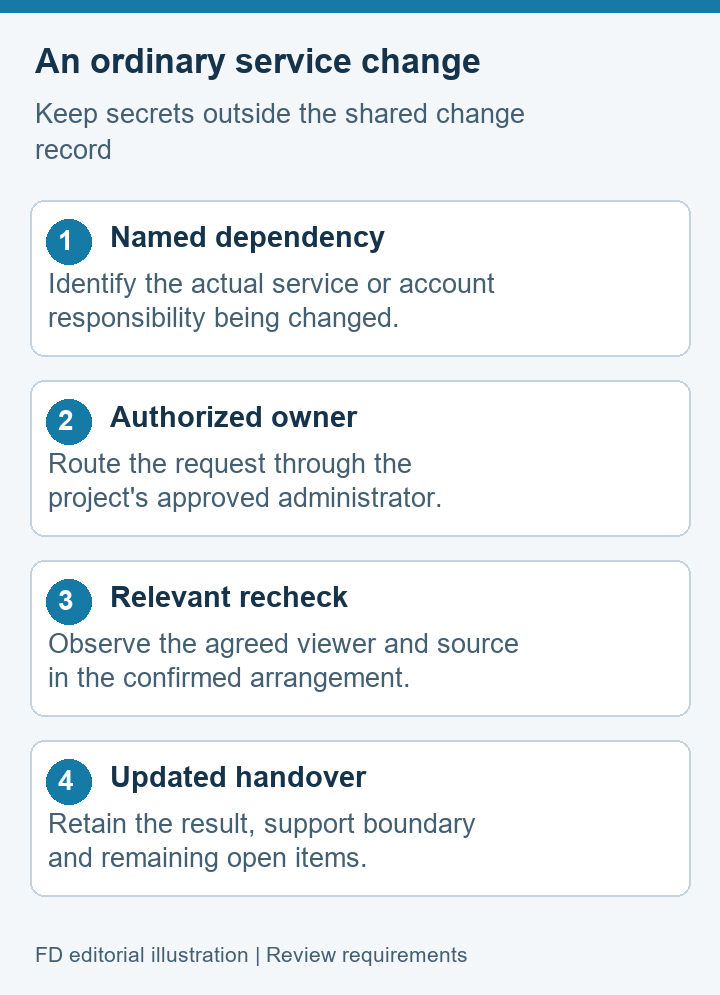
Keep a short service change history with the hardware record. Name the changed dependency, responsible owner and observed result after an authorized recheck. Avoid retaining passwords in that history. If a former user's access must change, route the request through the organization's approved administrator instead of assuming every supplier contact can perform it.
For a viewing issue, decide which evidence goes to which contact. The hardware supplier can identify the supplied revision; the connectivity owner can explain its service status; the application owner can interpret the viewer's reported state. Giving each the same relevant incident summary reduces confusion while preserving the actual support boundaries.
Where a service is not yet selected, leave the project at an explicit planning stage. Do not describe the box as a complete delivered remote-video service until the dependencies and accepted demonstration are established.
A support contact list should also explain what information each contact is authorized to receive. A hardware inquiry might need a product identifier and visible fault description, while an account request may belong only to the application's administrator. Do not send the same complete evidence pack to everyone merely because it is convenient. The project data owner should approve the relevant sharing scope and retain the request reference.
If the arrangement transfers from a demonstration to customer ownership, record the handover event explicitly. Name the confirmed final owner, the dependencies that changed and the agreed viewing task rechecked afterward. Leave access secrets out of that record. This distinguishes evidence from the supplier's demonstration environment from evidence about the actual delivered service and avoids relying on an account whose continuing availability was never agreed.
Cellular-service questions
Does the product name mean a SIM is included?
No. The current evidence does not establish a supplied SIM or subscription. Ask the supplier to identify the selected service arrangement, included items and customer responsibilities in the accepted offer.
Who should own a viewing-platform account?
The project and confirmed service provider should agree on ownership and administration. Record the final arrangement; do not treat a temporary demonstration login as proof of a transferred customer account.
Does 5G mean the view works everywhere?
No such claim follows from the name. Confirm the actual hardware and cellular-service configuration and document relevant evidence. A successful session only demonstrates the observed arrangement and conditions.
Can we assume the box records video in the cloud?
No. Storage and export functions require confirmation for the selected arrangement. Ask whether retained information exists, which provider owns that boundary and what authorized handling is available.
What belongs in a service handover?
Hardware identity, actual service dependencies, owners, support contacts and relevant witnessed results. Keep renewal responsibilities and open questions visible while managing credentials through the approved separate process.
Receive a service handover alongside the box
Use the 5G Intelligent Cloud Box reference to identify the product, then attach the confirmed connectivity and application boundaries to its delivery record. Ask each actual provider to supply the information needed for its own responsibility.
The completed handover should explain who maintains the hardware, who owns recurring services and who approves video access. It should identify the demonstrated viewing task and any missing evidence. That allows an FPV project team to assess a real arrangement without turning an ambiguous cloud label into unsupported service or performance promises.



 Tel: +86-13959965075
 Email: info@fpvdroneskit.com
 MP/WhatsApp: +86-13959965075
 Manufacturer Address:Quanzhou Valley Nanan Science and Technology Innovation Center, No. 89 Shijing Avenue, Shijing Town, Nanan City, Fujian Province