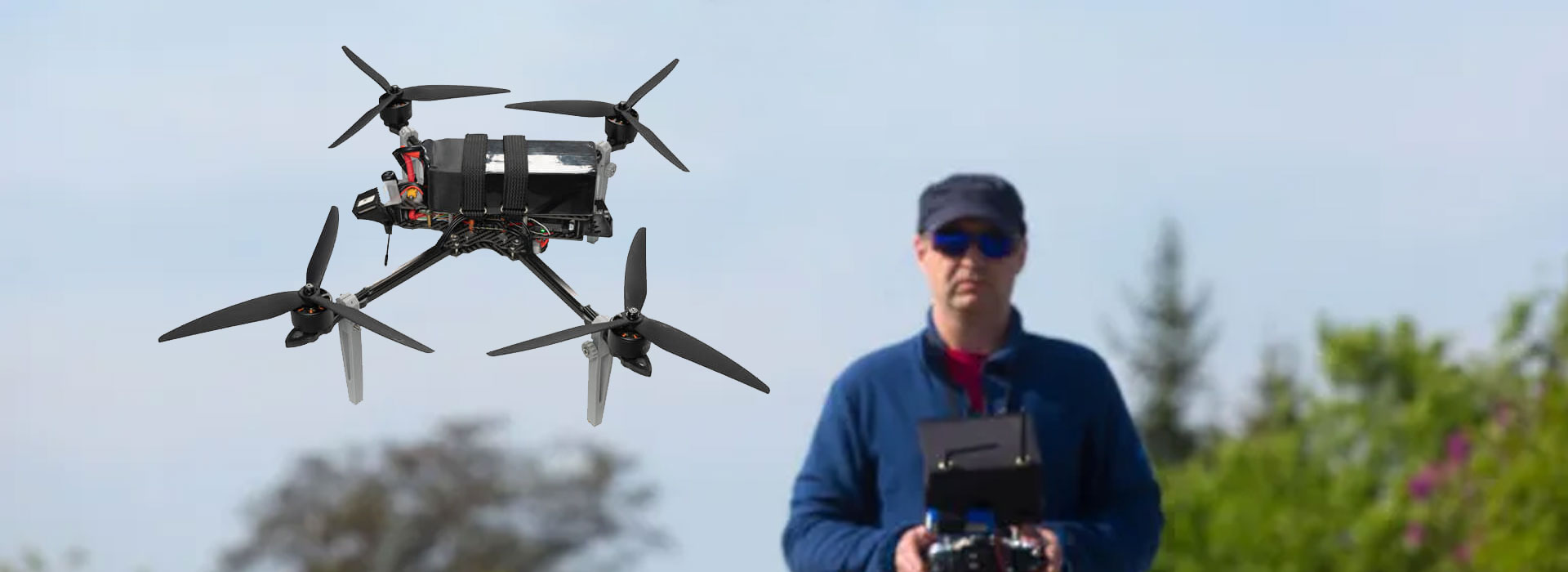
Author:Military Drone Manufacturer TIME:2026-11-12
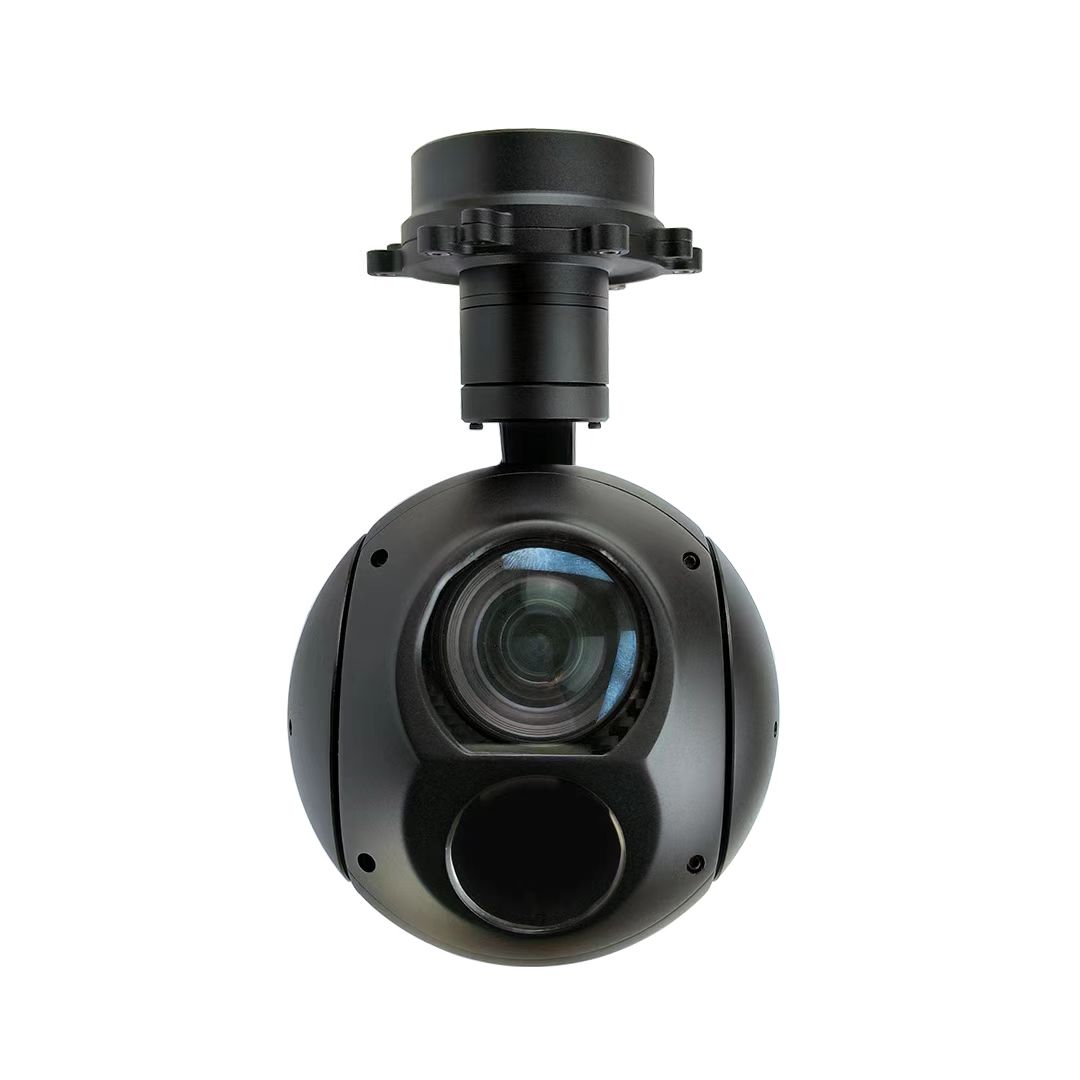
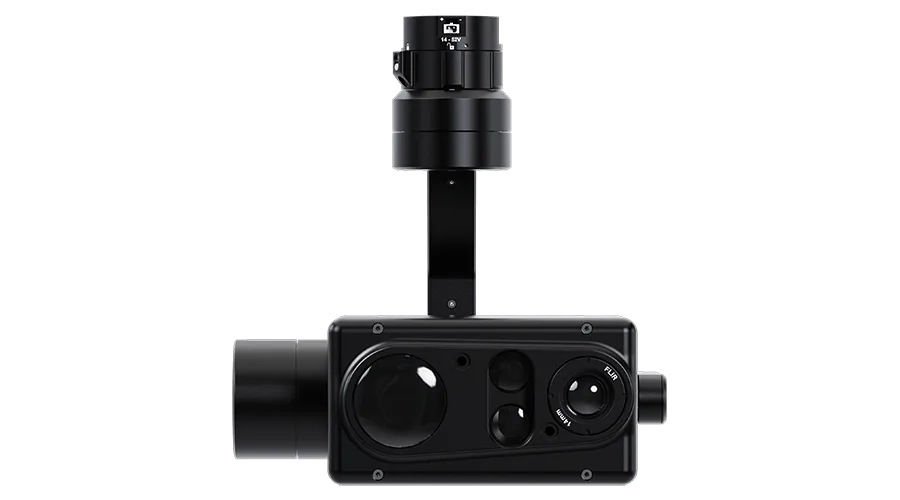
Evaluate the FSD20G619 as a weather-exposed camera package by checking where its protection claim applies, not by extending an IP67 label to the whole drone. TOPOTEK describes this model as an IP67 dual-light network gimbal with a waterproof interface, 20x optical zoom and native 640 × 512 thermal imaging. The buyer still needs to understand the supplied connector, cable, mounting and operating conditions. A protected camera housing cannot establish the rating of an unrelated adapter or aircraft compartment. Start with the actual exposure and image requirement, then ask for model-specific protection evidence and a clear installation package before ordering.
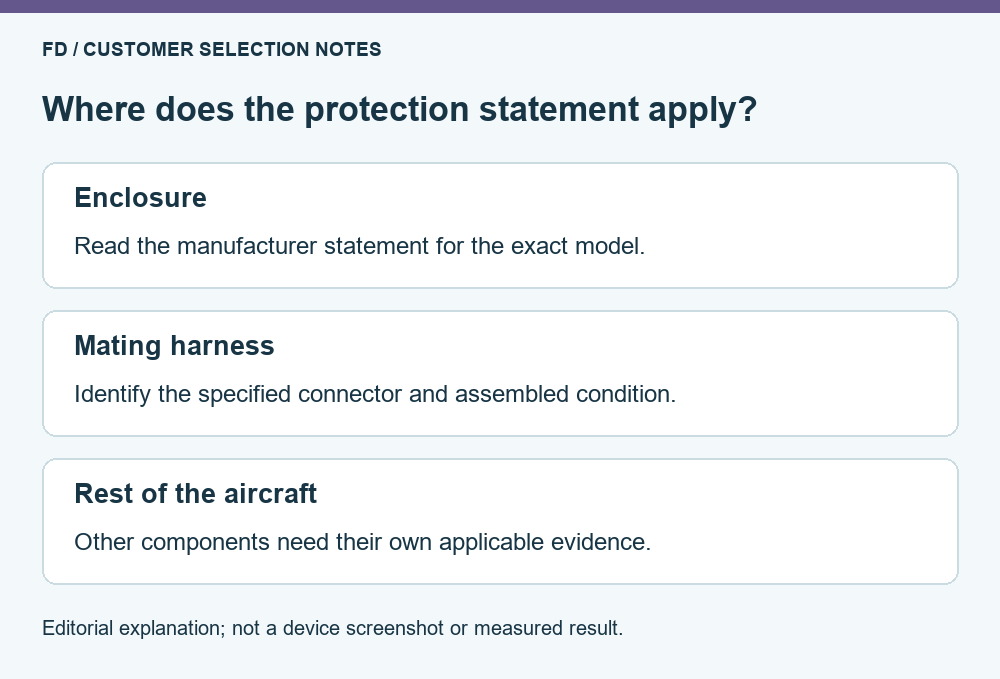
The most useful first question is simple: which physical assembly is covered by the stated rating? A camera body, its fitted connector and an installed system are different things. The FSD20G619 product description mentions both IP67 protection and a waterproof interface. That is a reason to investigate the supplied arrangement, rather than assuming any cable attached later becomes part of the rated assembly.
| Part of the package | Evidence to request | Do not assume |
|---|---|---|
| Camera enclosure | Model and configuration covered by the protection statement | Every product in the same brand has the same rating |
| Camera-side connector | Required mating part and assembled condition | An open or substituted connector is equally protected |
| Aircraft-side termination | How the supplied harness ends and where it connects | The camera rating applies to an unrelated adapter |
| Aircraft installation | Aircraft manufacturer's applicable limitations | The camera certifies the complete aircraft |
The IP code concerns enclosure protection. It is not a general quality score for optics, gimbal stability, software or long-term reliability. Treat those other requirements on their own evidence.
“Outdoor use” is too broad to define a camera package. The customer may mean occasional damp conditions, airborne dust, a humid storage environment or a process where equipment could be splashed. Describe the actual expected exposure and the aircraft's operating rules, without treating the camera specification as permission to fly in unsuitable conditions.
The current FSD20G619 page lists a working environment of −10 to +45°C and a stated relative-humidity range. An ingress-protection label does not replace these environmental entries. It also does not establish resistance to every chemical, saltwater condition or cleaning practice. If a particular contaminant or process matters, request evidence for that requirement instead of adding it to the word “waterproof.”
Separate the equipment's exposure while operating from its transport and storage conditions. A case can protect a camera in transit without explaining its in-service rating. Conversely, a camera enclosure rating does not guarantee that an unprotected storage accessory or disconnected cable will tolerate the same environment.
One practical way to describe the requirement is by listing where the equipment will be when exposure occurs: on the aircraft, disconnected during transport or connected to another device during review. The supplied configuration may differ in each situation. This prevents a discussion about a sealed operating assembly from being mistaken for a promise about every handling state. It also gives the supplier a clear question about permitted storage and connection conditions.
Obtain the supplied connector and harness description before choosing aircraft-side accessories. The important information includes the actual mating components, cable length and termination arrangement, plus any required assembly conditions stated by the manufacturer. This is an ordering and installation-scope question, not a reason to invent a generic sealing method.
Identify the documented connector and the condition in which the manufacturer states protection.
Identify the rest of the harness and the separate equipment it reaches.
An adapter can solve an electrical or mechanical connection problem while introducing a different environmental boundary. Ask what happens to the specified protection when that adapter is part of the proposed package. Do not assume that compatible signal names establish compatible sealing or that a cable shown in a photograph is automatically the supplied rated harness.
Protection is useful only if the camera can produce the required observation. FSD20G619 combines a 20x optical visible-light camera with a 640 × 512 thermal imager. TOPOTEK lists a 19 mm thermal lens and network HD RTSP output. These facts make it a candidate for an EO/IR inspection package; they do not prove the quality of a particular aircraft installation.
Describe the visible detail that matters and the separate thermal question. A facilities team might need a visible record of equipment condition and a thermal view for comparison under a defined method. It should not buy solely around a protection rating and discover later that the delivered video path does not provide the required live view or saved file.
Measurement functions are described as optional on the model page. If temperatures are needed, specify the offered option and output rather than assuming all thermal packages are radiometric analysis systems. Likewise, 20x optical zoom belongs to the visible camera; it should not be presented as the thermal lens magnification.
The current manufacturer listing gives FSD20G619 a diameter of about 183 mm, a height of about 204 mm and a weight entry of 1120 ±20 g. Those are important selection figures because this is a different physical class from a small compact gimbal. Use the model's actual assembly and mounting documents when evaluating an aircraft.
Check the complete installed package, including the offered bracket, cables and any isolation components. A bare product dimension is not a complete movement envelope. A mounting arrangement must also suit the platform's clearance and loading requirements. The presence of a three-axis gimbal does not certify a bracket or establish an aircraft's endurance with this payload.
Packaging, protection and payload capacity should be considered together. A customer may reasonably choose a larger camera for a defined exposure and imaging requirement, while another project may need a different lighter package. That is a platform-selection tradeoff, not proof that the larger or more expensive choice is always higher quality.
Include the space needed to connect and support the specified cable, rather than checking only whether the enclosure fits below the aircraft. A tightly placed connector can make normal assembly or inspection difficult. Use the supplied mechanical and harness information to discuss those constraints with the aircraft integrator; do not bend the package assumptions around an arbitrary bracket.
Request the manufacturer's model-specific protection documentation and the conditions it covers. Check that the offered model, connector and configuration correspond to that evidence. An attractive photograph of water on a housing does not substitute for a defined statement or test record.
The buyer should not improvise an immersion, pressure-washing or exposure test on a supplied camera merely to see what happens. Follow the manufacturer's handling and maintenance instructions. If acceptance testing is required for a project, agree the method and responsibility with the supplier before delivery, and keep it within the equipment's stated conditions.
For ordinary evaluation, a document review and an inspection of the actual package can resolve many purchase questions: the model label, mating parts, caps where required and the supplied harness identity should match the proposal. This does not independently certify the IP rating. It shows whether the customer is evaluating the configuration to which the claim is intended to apply.
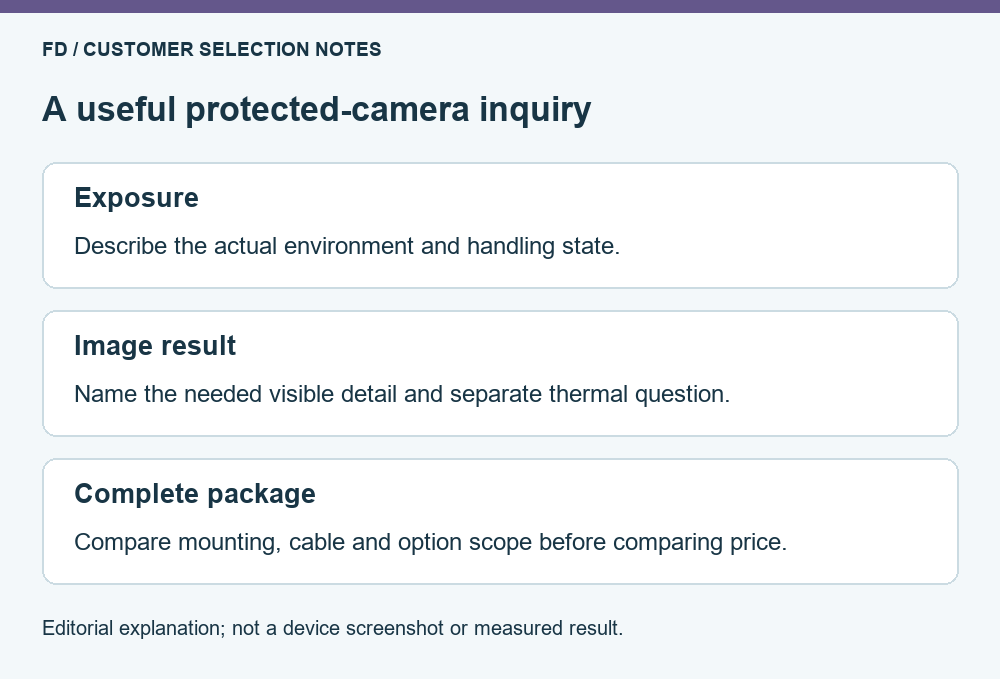
A useful inquiry states the aircraft, expected environment, required visible and thermal result, network-video input and proposed cable path. Ask which protection claim covers the supplied camera and which installation items are outside that boundary. These details reduce the chance of comparing two quotations that include different parts.
Keep the offer itemized around the actual package: camera, required mating harness, mounting arrangement and relevant options. Avoid presenting unknown accessory requirements as an FD test finding or using an unrelated manufacturer's rating for a substituted part. A clear scope is more useful than broad phrases such as “all-weather compatible with every drone.”
If two quotations have different prices, compare those included items before drawing a quality conclusion. The lower figure may describe a different cable or mounting scope, while a higher figure still needs evidence for any claimed benefit. Price alone does not verify protection.
For the product specification and an exposure-specific discussion, review the FSD20G619 EO/IR gimbal camera package from FD. The selection should connect the environmental evidence to the supplied hardware and the image the customer needs, while respecting the aircraft's own limitations.
No. The camera's enclosure claim cannot establish the rating of an aircraft, receiver, adapter or other component. Each relevant assembly needs its own applicable evidence and operating limitations.
Mechanical fit or matching signals do not establish the same protection. Ask the supplier about the specified mating parts and assembled condition before changing a component in the claimed boundary.
No. It describes a different property. Compare image results and gimbal performance using suitable product evidence; do not infer sharper or steadier images from the ingress-protection label.
The manufacturer describes measurement functions as optional. State the required thermal result and request the offered configuration, including a usable sample if data analysis is important.
The harness helps define both connection and environmental scope. Without its actual mating parts and terminations, a buyer may compare the camera price while missing components needed for the intended package.
Source basis: current TOPOTEK FSD20G619 model description and FD listing, checked 21 October 2026. IP67 is attributed to the manufacturer; FD has not independently certified the camera or the complete aircraft.

 Tel: +86-15059599996
 Email: info@fpvdroneskit.com
 MP/WhatsApp: +86-15059599996
 Manufacturer Address:Quanzhou Valley Nanan Science and Technology Innovation Center, No. 89 Shijing Avenue, Shijing Town, Nanan City, Fujian Province