


Visible detail
The optical-zoom channel changes the framing through the lens. Use it to examine a label, surface feature or component while retaining an original image for review.
| Price | On request |
|---|---|
| Model | FSD20G619 |
| Visible camera | 8 MP sensor; nominal 20× optical zoom |
| Thermal imager | 640 ×512; 19 mm lens; 12 µm; 8–14 µm |
| Stabilization | Three-axis |
| Video output | RTSP/IP1080p30 |
| Storage | TF; dual-channel recording described |
| Power input | 12–26 V; Static 7.8 W |
| Weight | 1120 ±20 g |
| Thermal lens | 19 mm lens |
| Control interfaces | Network IP / serial |
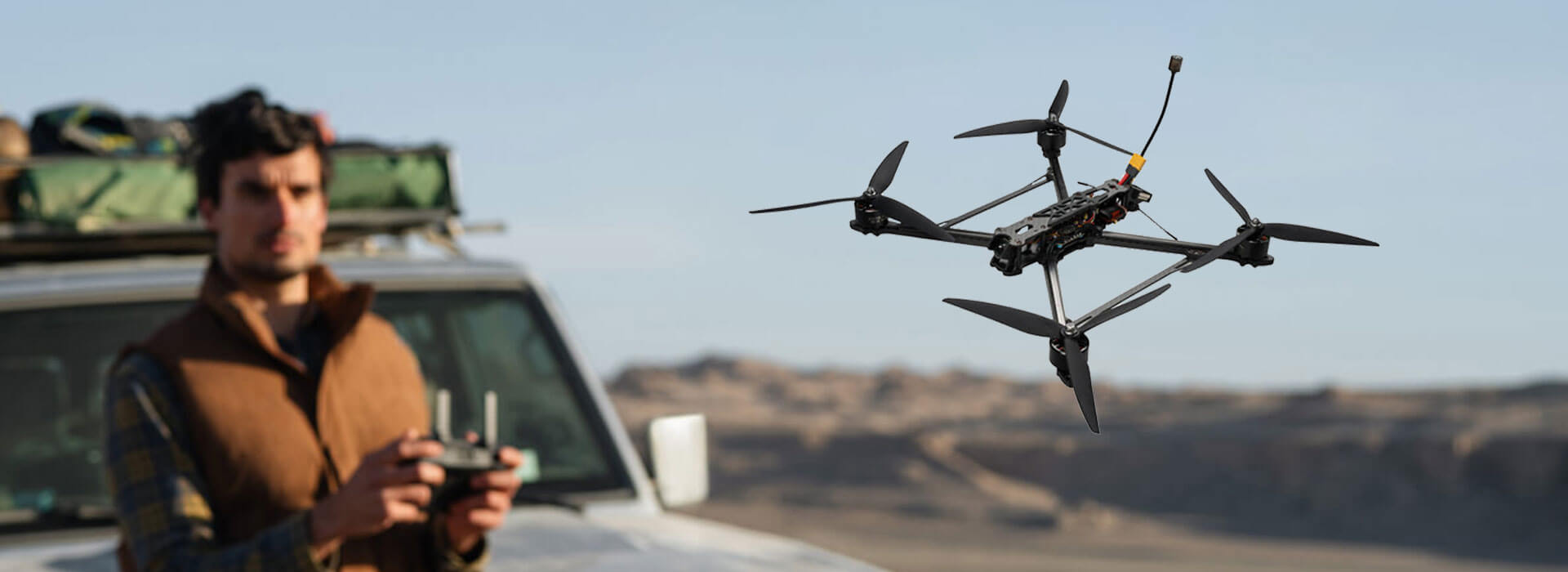
FSD20G619 is a three-axis dual sensor gimbal camera for civil UAV imaging. It combines a visible optical-zoom channel with a separate thermal imager and network video output. This configuration is worth considering when both visual detail and thermal context are needed, and the installation requires a documented enclosure and connector protection arrangement.
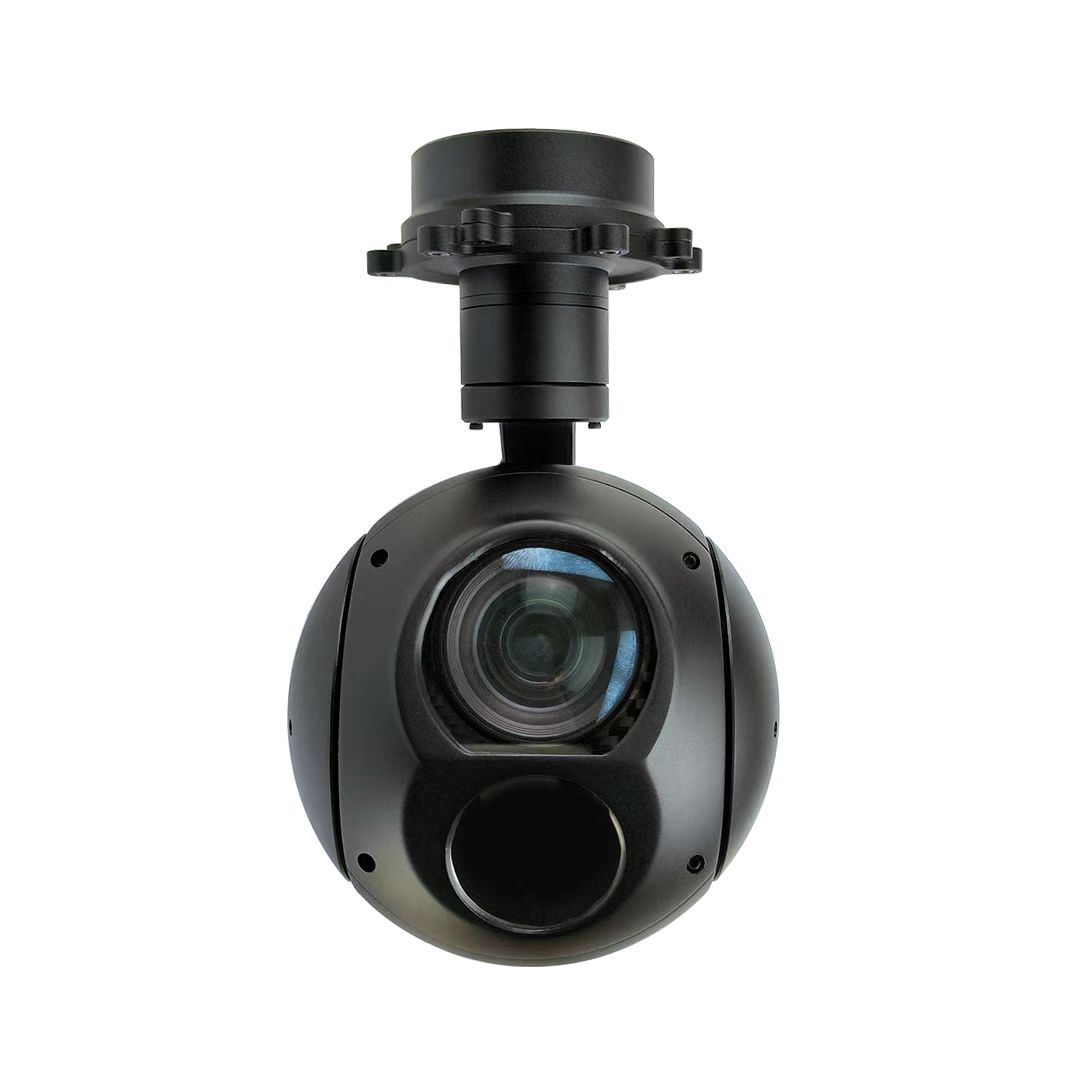
The optical-zoom channel changes the framing through the lens. Use it to examine a label, surface feature or component while retaining an original image for review.
The separate thermal view reveals scene contrast that visible video cannot provide. Interpreting a warm-looking area still requires the material, surroundings and viewing conditions.
For a civil roof or equipment survey, define the required detail first. A larger zoom number does not establish recognition at a particular distance. Likewise, a thermal detector grid does not establish temperature accuracy. Compare images from the offered camera and output mode with the information the customer actually needs to record.
| Function | Listed specification | Order detail |
|---|---|---|
| Visible channel | 8 MP sensor; nominal 20× optical zoom | State delivered image and video modes, not sensor pixels alone. |
| Thermal channel | 640 ×512; 19 mm lens | Keep the thermal channel identified in exported recordings. |
| Video transport | RTSP/IP 1080p30 | Name the receiving software and connection arrangement. |
| Control | IP/serial; S.Bus/PWM optional | Select control wiring independently of the video connection. |
| Camera mass | 1120 ±20 g | Add the actual mount and cables for the installed payload budget. |
An FPV viewing screen may show a usable picture while the stored file carries a different layout or channel. Decide whether the required result is a visible clip, thermal clip or a combined presentation. The maker describes dual-channel recording and picture-in-picture modes; identify the selected software, firmware and export behavior in the supplied configuration.
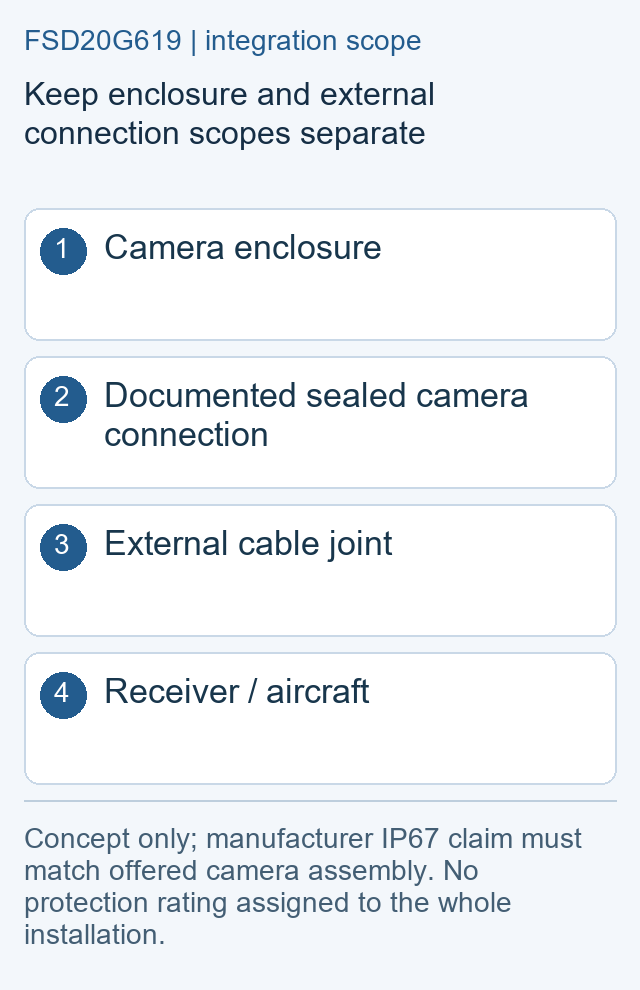
These checks make the configuration easier to specify; they do not establish a flight qualification or a waterproof test result. A three-axis camera still needs an appropriate installation and exposure settings. Evaluate unedited footage from the actual mount before making a claim about airborne image stability.
A useful quotation names the camera revision, standard accessories, chosen control interface, network cabling and software scope. Add the documented protection conditions and the intended stored-file examples. This gives the buyer a configuration to compare with another supplier's offer, instead of treating headline zoom and enclosure words as a complete package.
No. The maker's camera claim does not extend automatically to the aircraft or external joints. The installed boundary must follow the supplied hardware documentation.
The public specification lists it as an option. Select and document that package when the work requires numeric temperature information.
IP video requires a compatible receiving path. A generic analog FPV monitor is not established as a receiver for this configuration.
Original model and manufacturer reference: TOPOTEK FSD20G619. Listed specifications and the IP67 claim come from the manufacturer; delivered options, enclosure evidence and software rights must correspond to the supplied unit. Manufacturer specification source.
| Visible Camera | 8 MP sensor; nominal 20× optical zoom Saved-image resolution is separate from sensor pixels. |
|---|---|
| Thermal Imager | 640 ×512; 19 mm lens; 12 µm; 8–14 µm |
| Thermal Fov | 22.9° ×18.4° |
| Stabilization | Three-axis No comparable installation flight test established. |
| Video Output | RTSP/IP1080p30 |
| Storage | TF; dual-channel recording described Actual file modes and presentation require supplied revision documentation. |
| Control | Network IP / serial |
| Weight | 1120 ±20 g Complete installation mass requires bracket, cable and isolation allowance. |
| Voltage | 12–26 V |
| Power | Static 7.8 W Static is not peak load. |
Manufacturer-listed values. Supplied options and installed weight belong in the quotation.
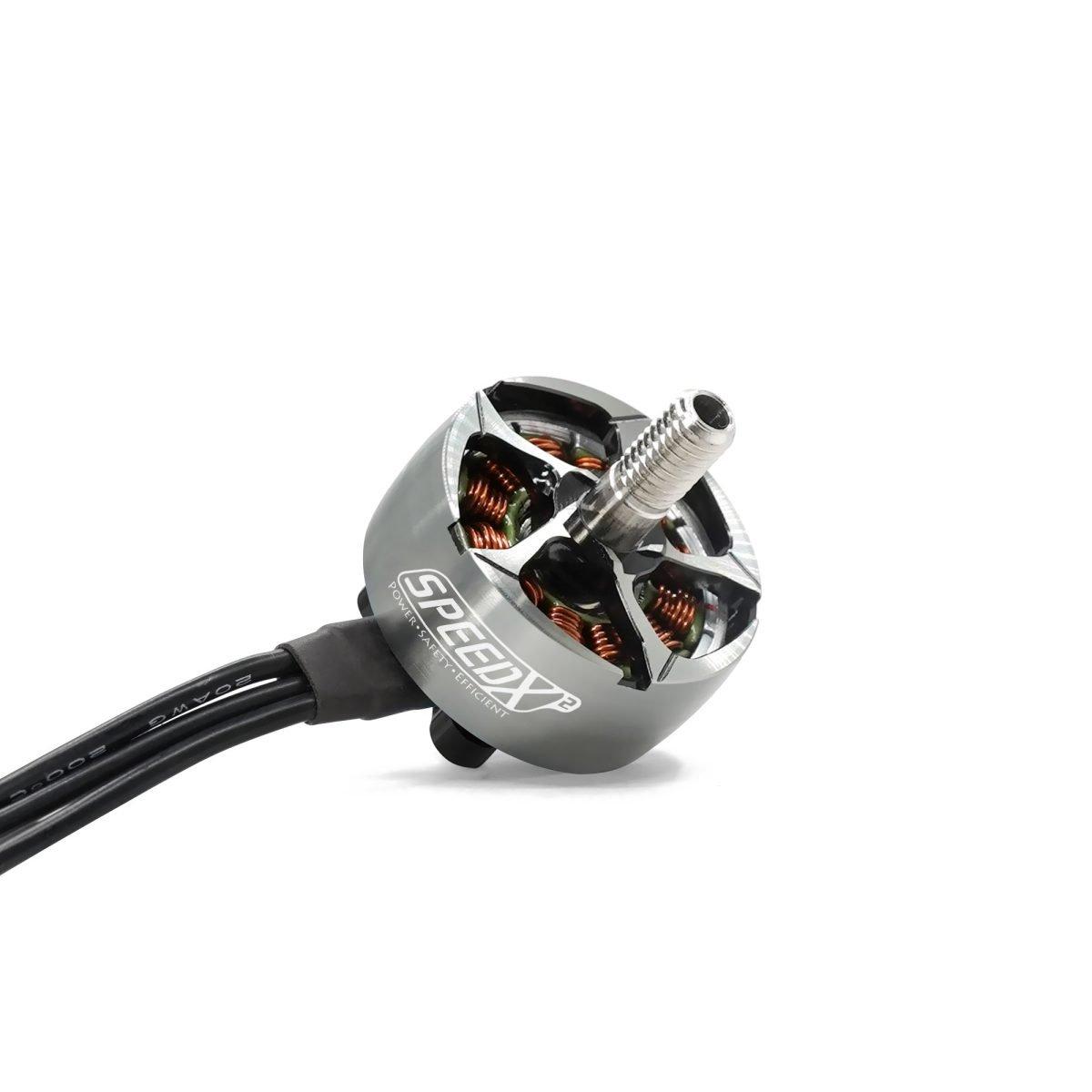
Resolve the SPEEDX2 2107.5 2450KV identity against its 1960KV option and match drawing, propeller, battery and ESC data....
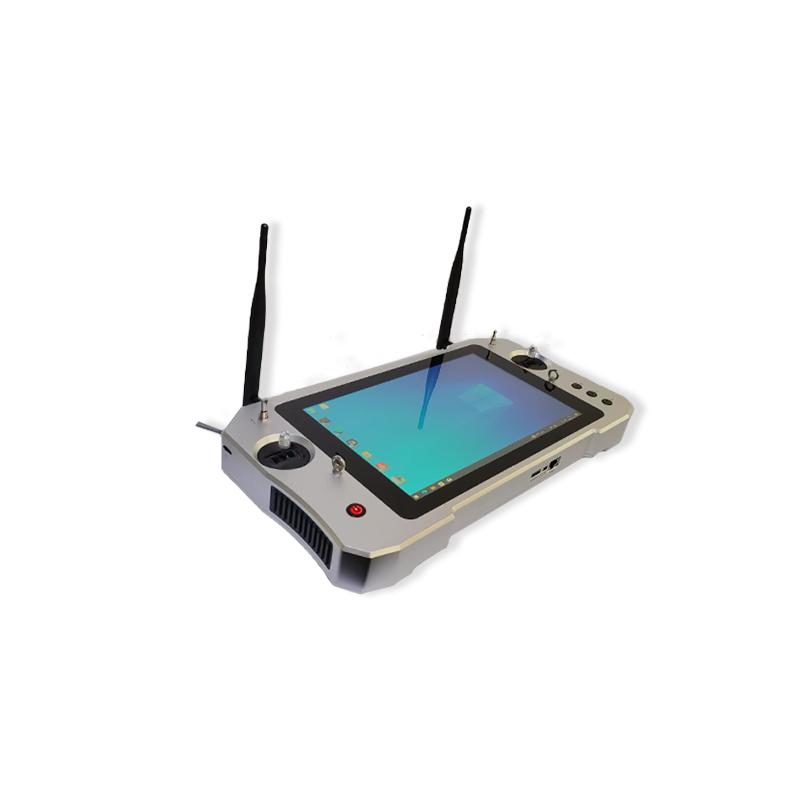
Review RE35 compatibility through LR1121 radio protocol, JR and Type-C interfaces, channel mapping, firmware and recovery deliverables....

Review TAKER H65_8S ESC delivery through firmware state, 3–8S power matching, signal protocol, current sensing and cooling....
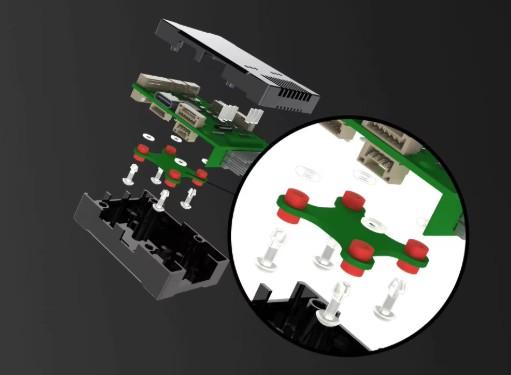
Review S7 Mini compatibility through its STM32H743 board revision, sensor set, port map, rail limits, firmware and recovery file....

Check VS20 integration through its 12V power entry, CX660X networking boundary, connectors, firmware and an itemized delivery list....
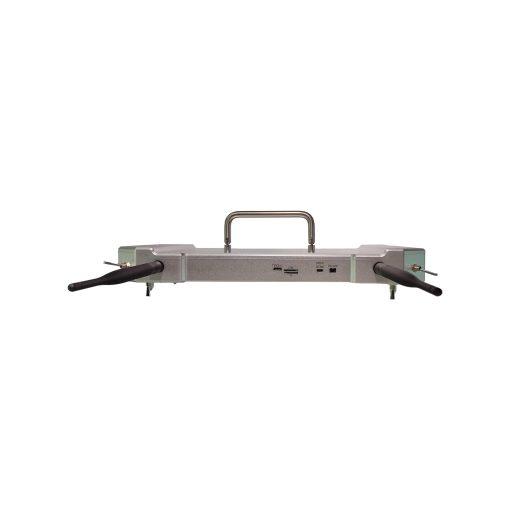
Review RW10 compatibility by resolving Windows/Ubuntu, 4400/5550mAh and 5.8GHz/1.4GHz records and defining kit deliverables....

 Tel: +86-13959965075
 Email: info@fpvdroneskit.com
 MP/WhatsApp: +86-13959965075
 Manufacturer Address:Quanzhou Valley Nanan Science and Technology Innovation Center, No. 89 Shijing Avenue, Shijing Town, Nanan City, Fujian Province