Author:Military Drone Manufacturer TIME:2026-09-06
Introduction
Cinematic FPV footage is one of the most visually stunning forms of drone videography. It offers unmatched immersion, dynamic motion, and creative storytelling — all from a first-person view. But capturing high-quality video with FPV drones requires more than just flying skill.
In this guide, we’ll break down the essential camera settings, flying techniques, and gear tips to help you start shooting smooth, cinematic FPV videos — even if you're a beginner.
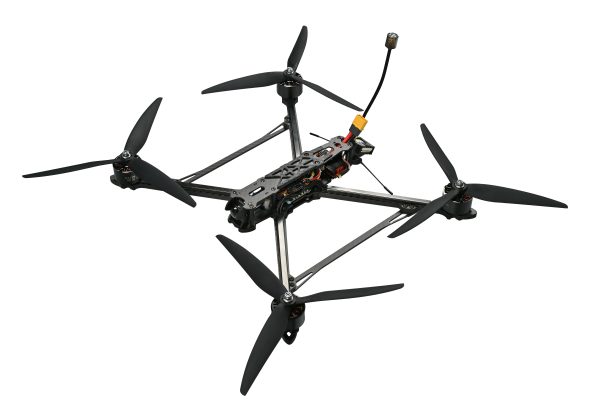
While racing drones prioritize speed and agility, cinematic FPV drones focus on stability and smooth control.
Recommended types:
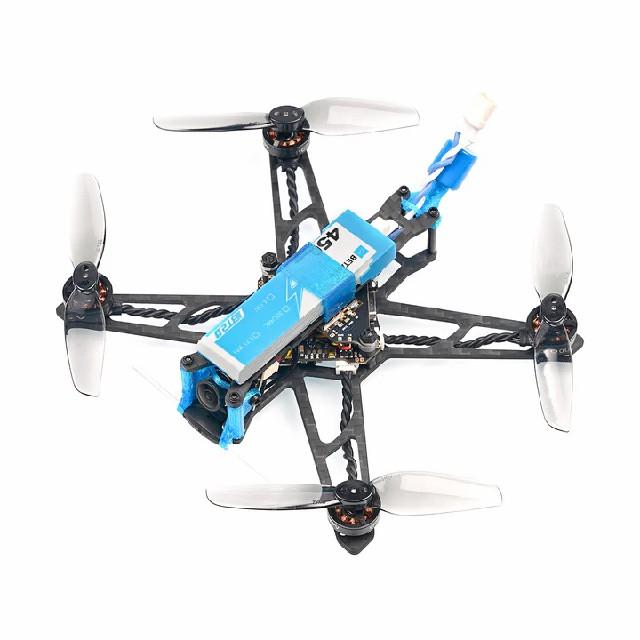
Cinewhoops (2–3 inch props): Indoor use, slow and controlled
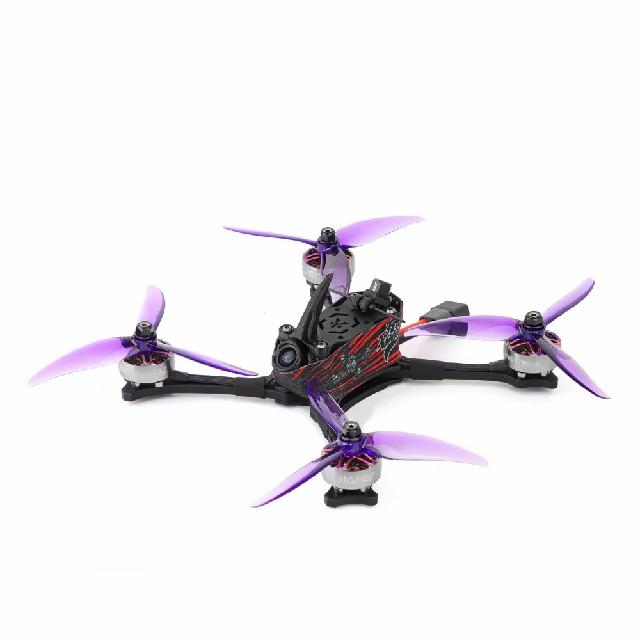
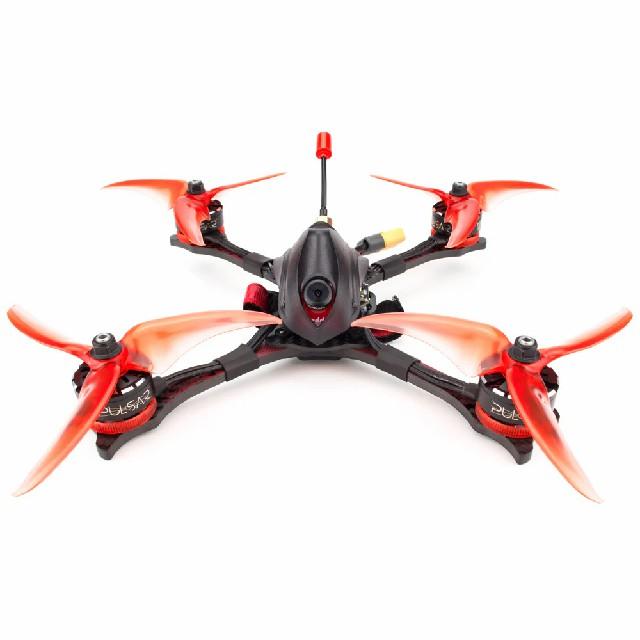
5-inch freestyle drones: Most common for dynamic shots
Long-range cruisers: Stable and GPS-assisted for scenic landscapes
If you're just starting out, a Cinewhoop like the GEPRC Naked Hero build or BetaFPV Pavo30 is a great choice.
Whether you’re using a GoPro, DJI Action, or Insta360, proper camera settings are key.
Recommended settings:
Resolution: 2.7K or 4K
Frame Rate: 30fps (for cinematic) or 60fps (for slow motion flexibility)
Shutter Speed: Double your frame rate (e.g., 1/60 for 30fps)
ISO: Keep it low (100–400) to reduce noise
Color Profile: Flat or Log for better post-editing
Stabilization: Use Gyroflow or in-camera Horizon Lock
Use an ND filter to maintain proper motion blur during daylight.
Great footage comes from smooth piloting, not aggressive flips. Practice these:
Smooth stick input: No jerky throttle or yaw
Pre-plan your line: Know your route before takeoff
Keep altitude steady: Avoid sharp vertical changes
Use slow turns and reveals: Build suspense and flow
Orbit shots: Circle around your subject slowly
Bonus: Fly in manual (Acro) mode for complete movement control.
Post-production is a huge part of cinematic FPV.
Suggested tools:
Gyroflow: Stabilizes footage using gyro data
DaVinci Resolve / Premiere Pro: Video editing and color grading
LUTs (Look-Up Tables): Use cinematic LUTs to color your flat footage
Don’t skip editing — it’s where raw FPV clips become true cinematic magic.
Flying too fast for cinematic shots
Using auto settings on the camera (results in exposure flicker)
Ignoring ND filters on sunny days
Flying in overly windy conditions
No subject or composition — cinematic = storytelling!
Conclusion
Cinematic FPV isn’t just about flying — it’s about creating a visual experience. With the right drone, camera settings, and flying discipline, even beginners can shoot professional-quality videos. Practice your lines, fine-tune your settings, and most importantly — enjoy the flight.

 Tel: +86-13959965075
 Email: info@fpvdroneskit.com
 MP/WhatsApp: +86-13959965075
 Manufacturer Address:Quanzhou Valley Nanan Science and Technology Innovation Center, No. 89 Shijing Avenue, Shijing Town, Nanan City, Fujian Province