Author:Military Drone Manufacturer TIME:2026-09-06
In this blog, we provide a global overview of FPV drone regulations, registration systems, safety best practices, and beginner mistakes to avoid — no matter where you fly.
In many countries, yes.
Here’s a quick reference:
| Country/Region | Registration Required | Authority |
|---|---|---|
| United States | Yes (FAA) | Federal Aviation Administration |
| EU Countries | Yes (EASA) | European Union Aviation Safety Agency |
| United Kingdom | Yes | Civil Aviation Authority (CAA) |
| Canada | Yes | Transport Canada |
| Australia | Yes | CASA |
| Japan | Yes (from 100g+) | Ministry of Land, Infrastructure and Transport |
| China | Yes (250g+) | CAAC |
Most regions require registration if the drone exceeds 250 grams, and some require pilot certification even for recreational flying.
2.Although rules differ, the following core guidelines apply almost everywhere:
Always maintain visual line of sight (VLOS)
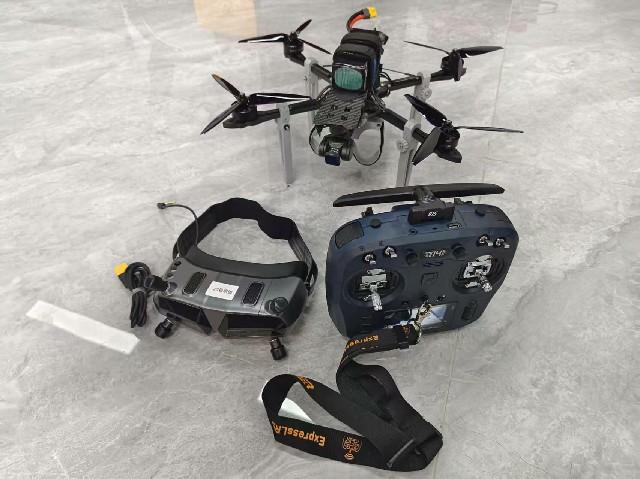
FPV goggles often violate this rule. Some countries allow FPV if a spotter is present.
Maximum altitude: usually 120 meters (400 feet)
Flying higher may interfere with manned aircraft.
Stay away from airports, crowds, roads, and emergency scenes
Do not fly at night unless explicitly permitted
Respect privacy — no flying over private homes without consent
Don’t fly over national parks or military zones
In short: fly low, fly safe, fly respectfully.
This depends on your drone weight and location. For example:
USA: If you fly recreationally, you must pass the FAA TRUST test. Commercial flyers need Part 107.
EU: You must complete an online training course and register as an operator.
Canada: Two license levels — Basic and Advanced. Even FPV flyers must qualify.
Japan/China: FPV with goggles often requires spotters or special approval.
Check your gear before every flight – Loose screws, cracked arms, damaged props can lead to crashes.
Always fly in open, legal areas – Avoid public spaces unless permitted.
Use GPS apps (like AirMap or DroneAssist) – To check restricted zones.
Carry registration info and ID if needed
Don’t fly near wildlife, hospitals, or schools
Fly with a buddy or spotter if using goggles
Flying near airports or heliports
Ignoring altitude limits
Flying over people or vehicles
Posting illegal flight footage online (yes, authorities watch YouTube)
Flying without registration or license

 Tel: +86-13959965075
 Email: info@fpvdroneskit.com
 MP/WhatsApp: +86-13959965075
 Manufacturer Address:Quanzhou Valley Nanan Science and Technology Innovation Center, No. 89 Shijing Avenue, Shijing Town, Nanan City, Fujian Province