Author:Military Drone Manufacturer TIME:2026-09-06
Introduction
Indoor FPV flying is one of the most exciting and challenging styles of drone filming. From cafés and galleries to warehouses and live events, FPV drones offer a unique way to capture immersive, flowing shots in tight spaces.
This guide introduces the basics of indoor FPV flying, including gear setup, flight techniques, lighting tips, and how to plan your flight paths to shoot stunning indoor sequences.
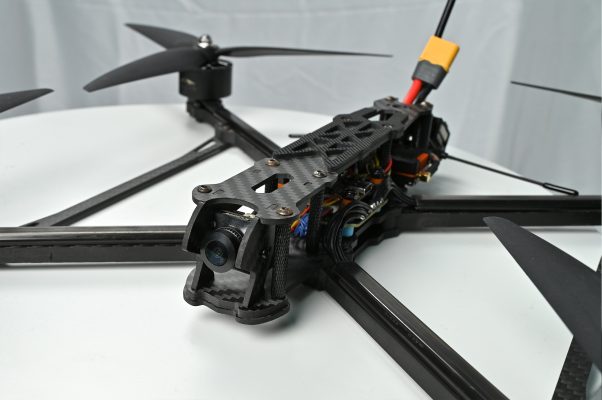
Creates immersive, first-person camera angles
Showcases architecture, interior design, and brand experiences
Ideal for one-take walkthrough videos, venue promos, or product storytelling
Popular examples: real estate tours, restaurants, hotels, exhibitions, factory floor showcases.
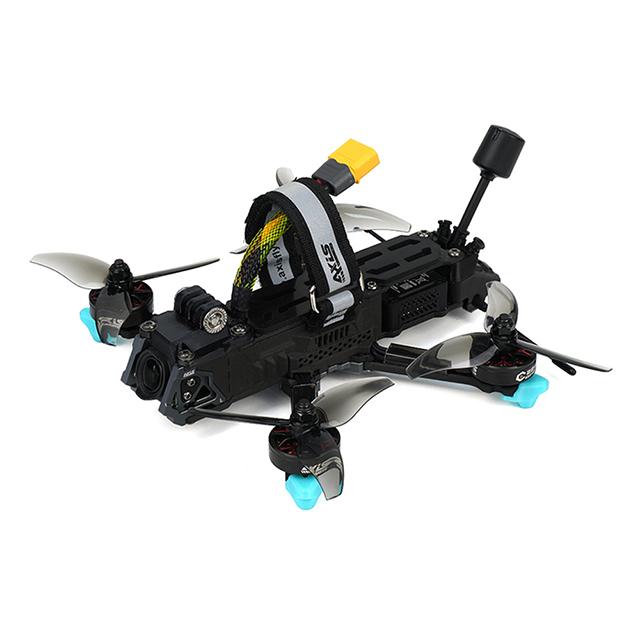
✅ Use small cinewhoop (e.g., 2.5–3.5 inch ducted drones)
✅ Ducted propellers are a must — they protect people and walls
✅ Choose low throttle, smooth motor response
✅ Add a GoPro or naked camera for HD footage
✅ Fly with low rates + high expo for smoother control
Bonus: use props-in camera angles for a more immersive feel.
Practice in simulators before flying in tight real spaces
Keep slow and stable altitude, avoid aggressive moves
Use pre-arm angle mode or stabilization for small rooms
Stay within line of sight, even if flying with goggles
Be ready to disarm immediately in case of sudden obstacle or tight gap
Tip: Walk your route first, then fly it. Muscle memory helps with precision.
Indoor spaces may have uneven or dim lighting
Add extra LED lights, soft boxes, or practical lighting to fill shadows
Use manual exposure settings to avoid flickering
Set GoPro to flat color profile + ISO 100–400 for clean footage
Check white balance (avoid auto mode)
Remember: lighting is 50% of the shot. No good light = no cinematic results.
Great indoor FPV comes from planning, not improvisation. Plan your shots:
? Walkthrough route: entrances → narrow hallways → open reveals
? Point of interest fly-bys: close-up on décor, products, faces
? Loop patterns: fly back to the start to create transitions
? Use dynamic moves: orbit objects, tilt through shelves, peek through frames
Pro Tip: Keep your flight time short (1–2 min per take) to avoid battery sag and overheating indoors.
Conclusion
Indoor FPV combines creativity, precision, and planning. With the right drone, smooth technique, and thoughtful lighting, you can transform simple interiors into stunning visual journeys. Every take is a chance to tell a story — and your drone is the camera.

 Tel: +86-13959965075
 Email: info@fpvdroneskit.com
 MP/WhatsApp: +86-13959965075
 Manufacturer Address:Quanzhou Valley Nanan Science and Technology Innovation Center, No. 89 Shijing Avenue, Shijing Town, Nanan City, Fujian Province