Author:Military Drone Manufacturer TIME:2026-09-06
This article explains FPV drone technology from a system-level perspective, with a focus on capabilities and real-world defense use cases.
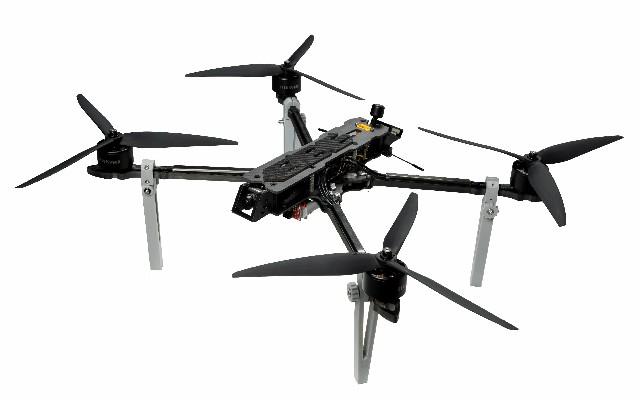
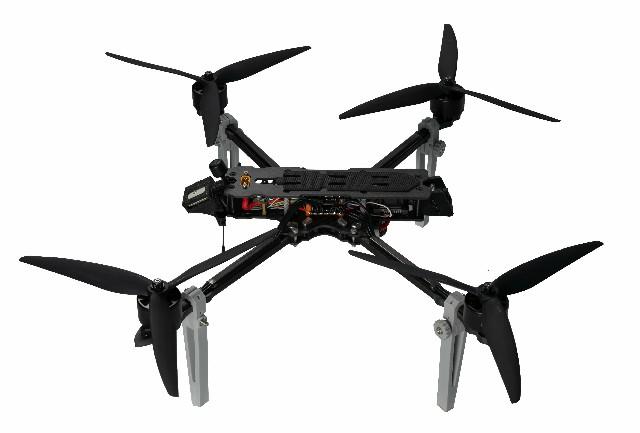
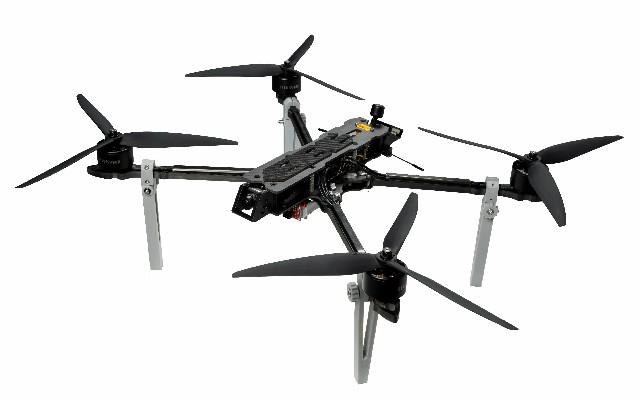
Key components include the flight controller, propulsion system, onboard camera, video transmitter, and radio control link. The flight controller processes sensor data in real time to maintain stability while responding instantly to pilot inputs. High-thrust motors and lightweight frames enable rapid acceleration and agile maneuvering.
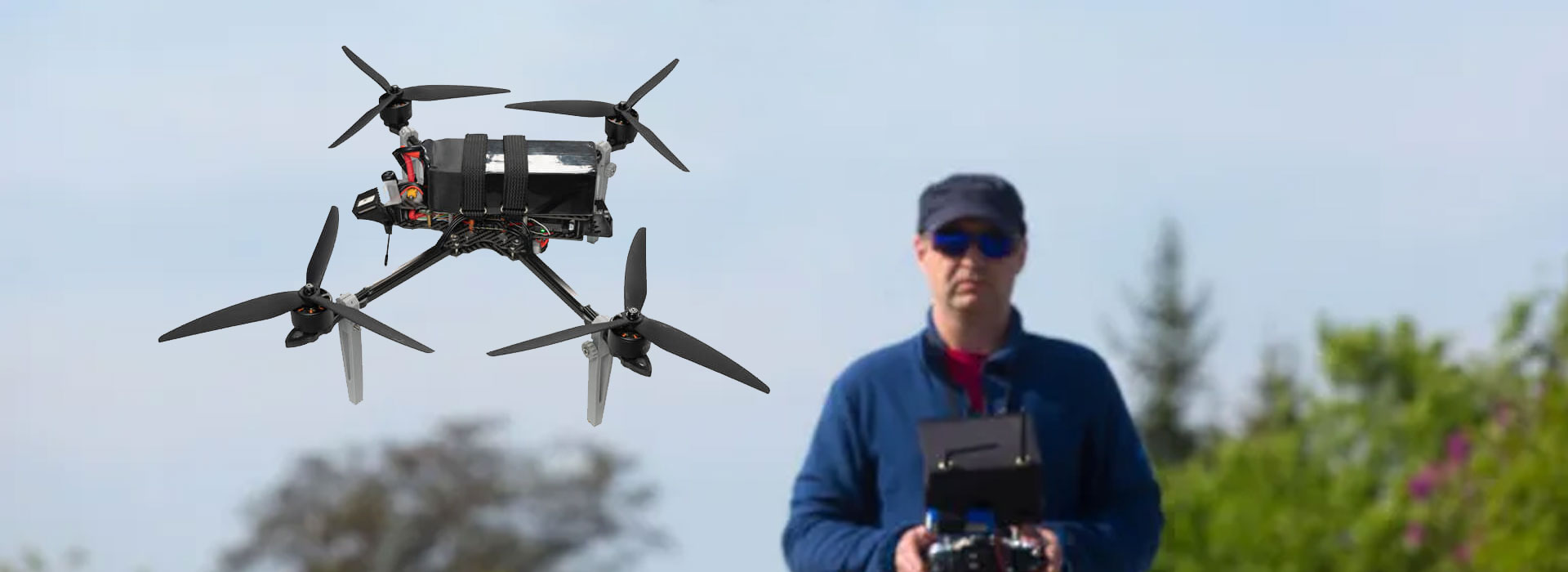
The video system is central to FPV operation. Low-latency transmission allows the operator to fly using live visual feedback, making precise navigation possible even in complex environments.
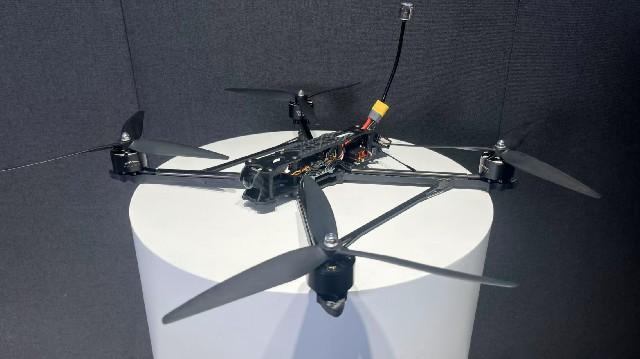
Defense-oriented FPV platforms often prioritize stable signal penetration, adaptable frequency management, and resistance to interference. These factors directly affect operational range, survivability, and mission success.
Flight Performance and Maneuverability
FPV drones are designed for dynamic flight profiles rather than endurance. Their performance advantages include rapid directional changes, high roll and pitch rates, and the ability to operate close to terrain or structures.
This maneuverability allows FPV drones to access areas that are inaccessible to larger UAVs, particularly in urban, wooded, or confined environments.
Operational Capabilities
From a defense standpoint, FPV drones offer several core capabilities:
• Immediate situational awareness through real-time video
• Precision navigation in cluttered environments
• Rapid deployment with minimal setup
• Flexible payload integration depending on mission needs
These capabilities make FPV drones especially effective for tactical-level operations where speed and accuracy are critical.
Defense and Security Use Cases
FPV drones are commonly used for close-range reconnaissance, target identification, and route inspection. Their ability to operate below traditional airspace layers makes them useful for urban operations and forward-unit support.
In addition, FPV platforms can be adapted for training, testing, and experimental mission profiles due to their relatively low cost and modular design.
Manufacturing Implications
For FPV and UAV manufacturers, delivering defense-ready systems requires careful component selection and system integration. Reliability, consistency, and resistance to environmental stress are essential. Unlike consumer FPV products, defense platforms must perform predictably under demanding conditions.
Conclusion
FPV drones combine specialized technology and operational flexibility into a compact unmanned platform. By understanding the systems that enable their performance, defense organizations and manufacturers can better assess how FPV drones fit into broader unmanned strategies. As technology continues to mature, FPV drones will remain a key component of tactical UAV ecosystems.

 Tel: +86-13959965075
 Email: info@fpvdroneskit.com
 MP/WhatsApp: +86-13959965075
 Manufacturer Address:Quanzhou Valley Nanan Science and Technology Innovation Center, No. 89 Shijing Avenue, Shijing Town, Nanan City, Fujian Province