Author:Military Drone Manufacturer TIME:2026-09-06
Introduction
While FPV drones are often defined by how they are flown, their true value lies in how their systems support modern defense requirements. From electronic resilience to modular design, FPV drones reflect a shift toward smaller, faster, and more adaptable unmanned platforms. This article examines FPV drone systems through the lens of defense capability and application.
System Architecture of FPV Drones
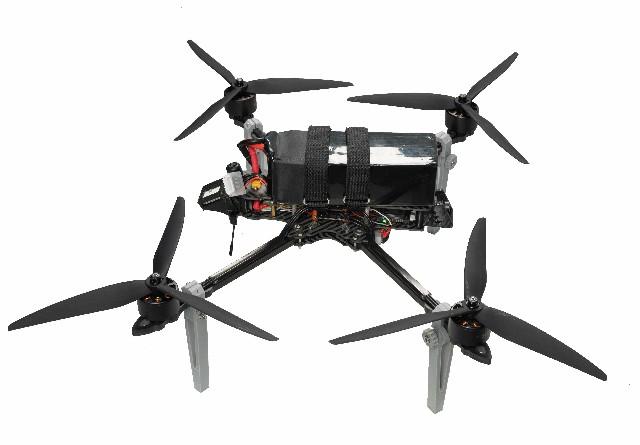
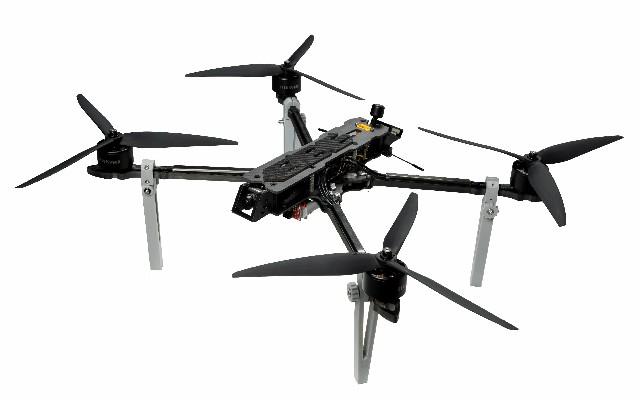
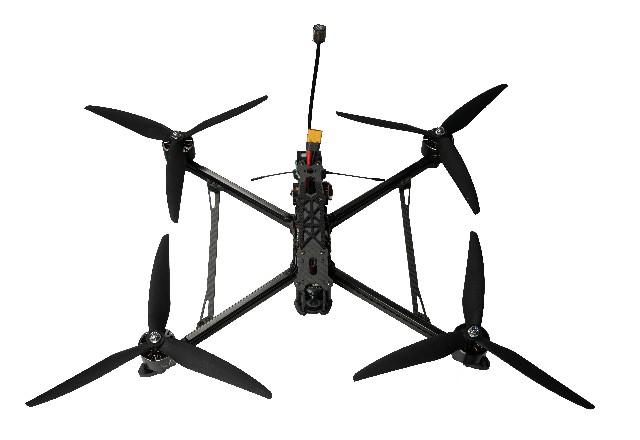
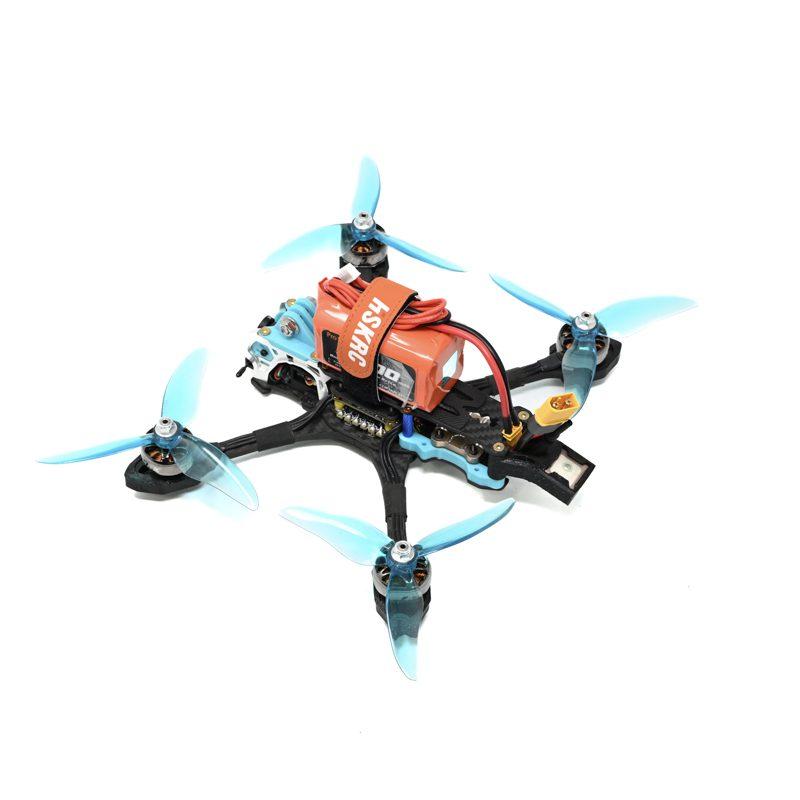
An FPV drone system is built around tight integration. The airframe, propulsion, control electronics, and communication links must work together with minimal delay. Any imbalance between these subsystems can degrade performance or reliability.
Military-oriented FPV drones often emphasize structural durability, secure communication pathways, and simplified layouts that support field maintenance.
Control and Navigation Characteristics
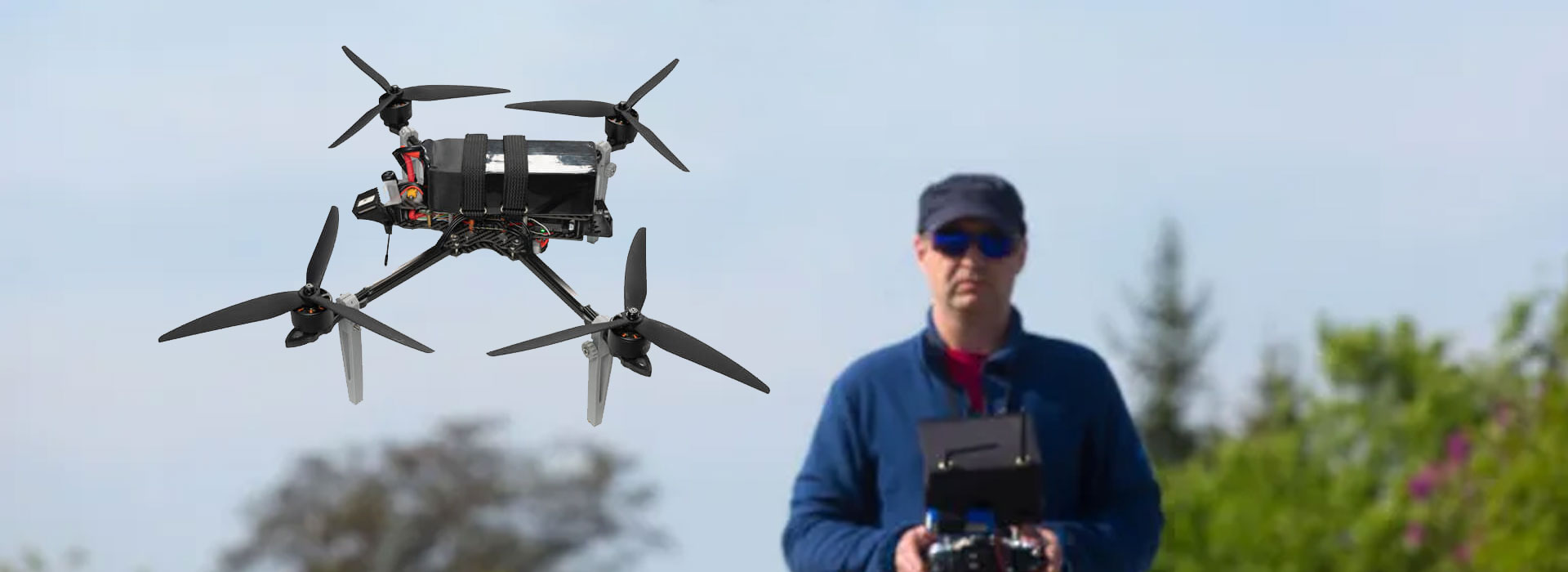
FPV drones rely on direct pilot input rather than automated navigation. This control model allows operators to react instantly to visual cues, making FPV drones effective in unpredictable environments.
Because navigation is primarily visual, FPV drones can operate in areas where GPS signals are unreliable or deliberately denied, providing a level of operational resilience.
Situational Awareness Capabilities
The real-time video feed provided by FPV systems gives operators immediate situational awareness. This perspective enables rapid assessment of terrain, obstacles, and targets.
In defense applications, this capability supports faster decision-making and reduces reliance on delayed or abstract sensor data.
Adaptability and Payload Integration
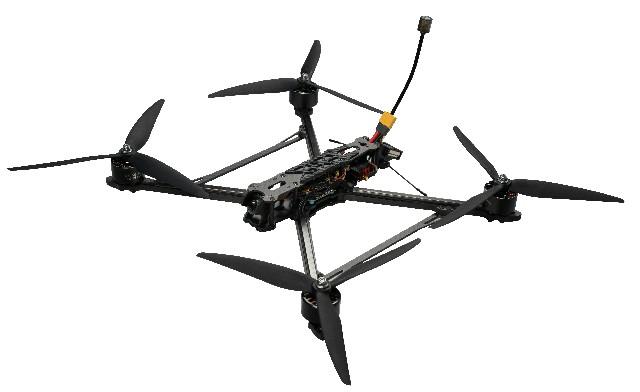
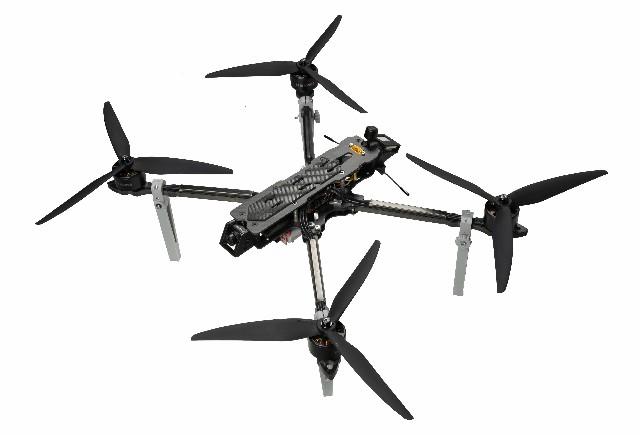
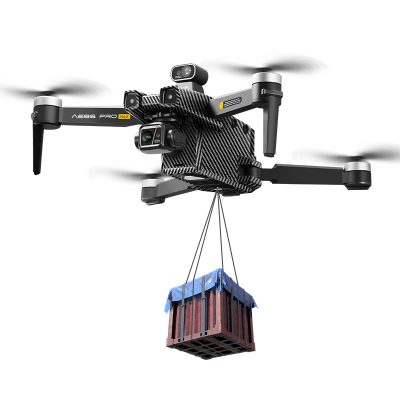
FPV drones are often designed with modularity in mind. Cameras, transmitters, and other components can be swapped or upgraded depending on mission requirements.
This adaptability allows defense organizations to customize FPV platforms without redesigning entire systems, accelerating deployment and iteration cycles.
Operational Applications in Defense
FPV drones are commonly used at the tactical level, supporting small units with reconnaissance and observation. Their compact size allows discreet operation, while their agility supports dynamic mission profiles.
They are also valuable for training, system evaluation, and concept development, enabling forces to explore new unmanned tactics at relatively low cost.
Considerations for Manufacturers
Manufacturers serving defense customers must balance performance with reliability. Component quality, electromagnetic compatibility, and thermal management all influence system effectiveness. Consistency across production units is particularly important for military adoption.
Conclusion
FPV drone systems represent a practical and adaptable approach to unmanned operations in modern defense environments. By focusing on system integration, resilience, and operational flexibility, FPV drones provide capabilities that complement larger UAV platforms. Their role within defense ecosystems is likely to expand as requirements continue to evolve.


 Tel: +86-13959965075
 Email: info@fpvdroneskit.com
 MP/WhatsApp: +86-13959965075
 Manufacturer Address:Quanzhou Valley Nanan Science and Technology Innovation Center, No. 89 Shijing Avenue, Shijing Town, Nanan City, Fujian Province