Author:Military Drone Manufacturer TIME:2026-09-06
Introduction
FPV drones and traditional UAVs are often grouped together under the broad category of unmanned aerial systems. In reality, they serve different operational purposes and are designed around fundamentally different assumptions. Understanding the key differences between FPV drones and traditional UAVs is essential for defense planners, operators, and manufacturers evaluating how these platforms fit into modern military structures.
Control Philosophy and Human Involvement
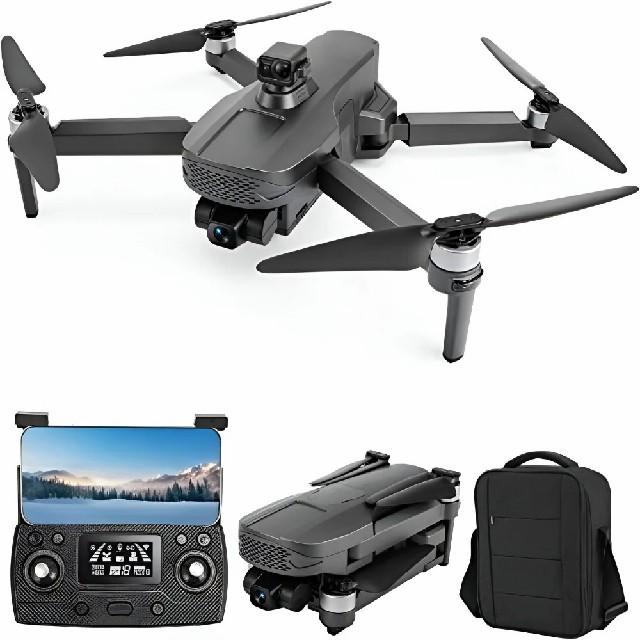
One of the most important distinctions lies in how these systems are controlled. Traditional UAVs rely heavily on automation, waypoint navigation, and pre-planned mission profiles. Operators typically supervise rather than directly pilot every maneuver.
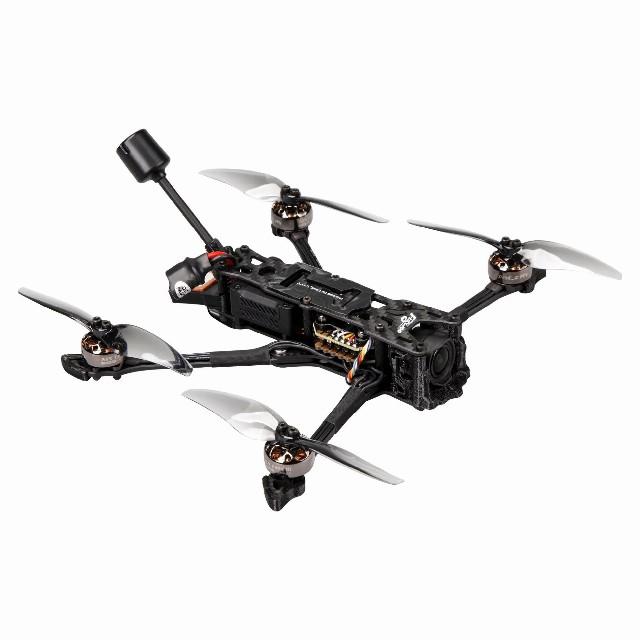
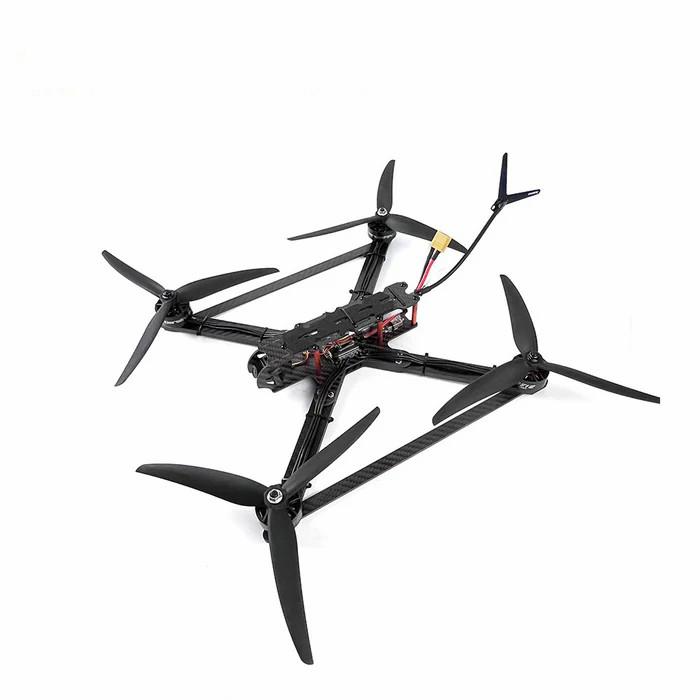
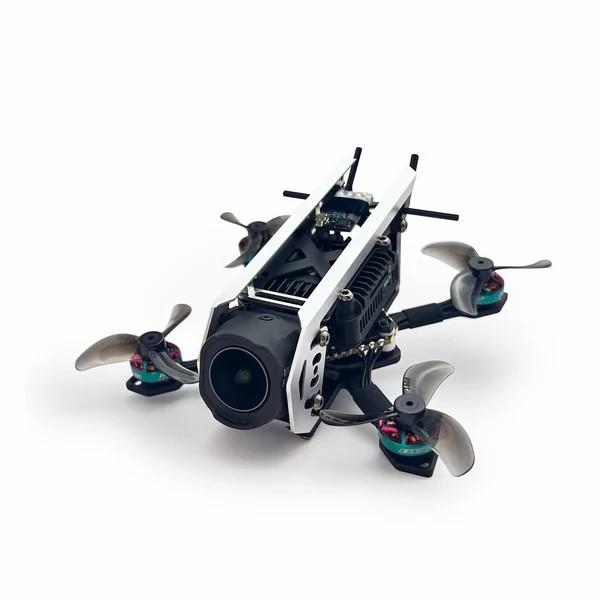
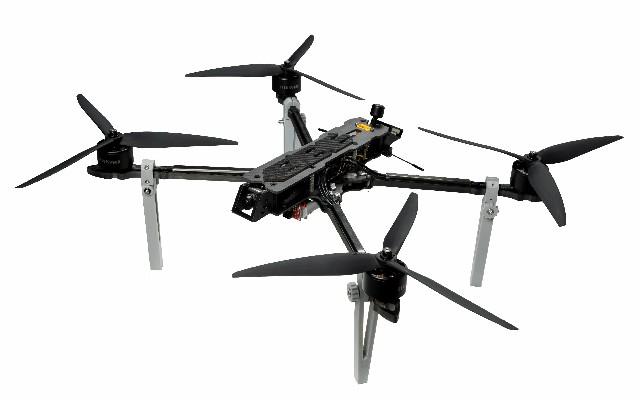
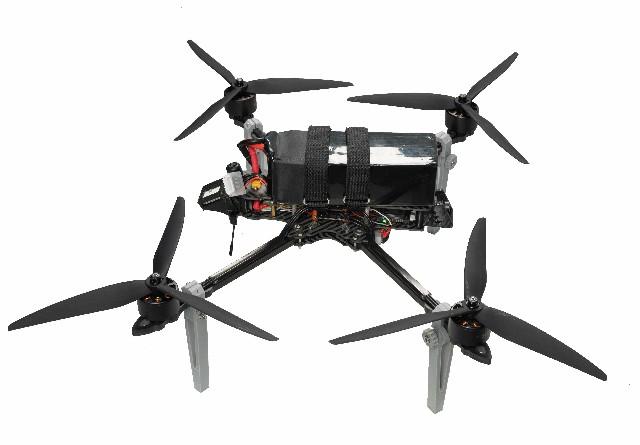
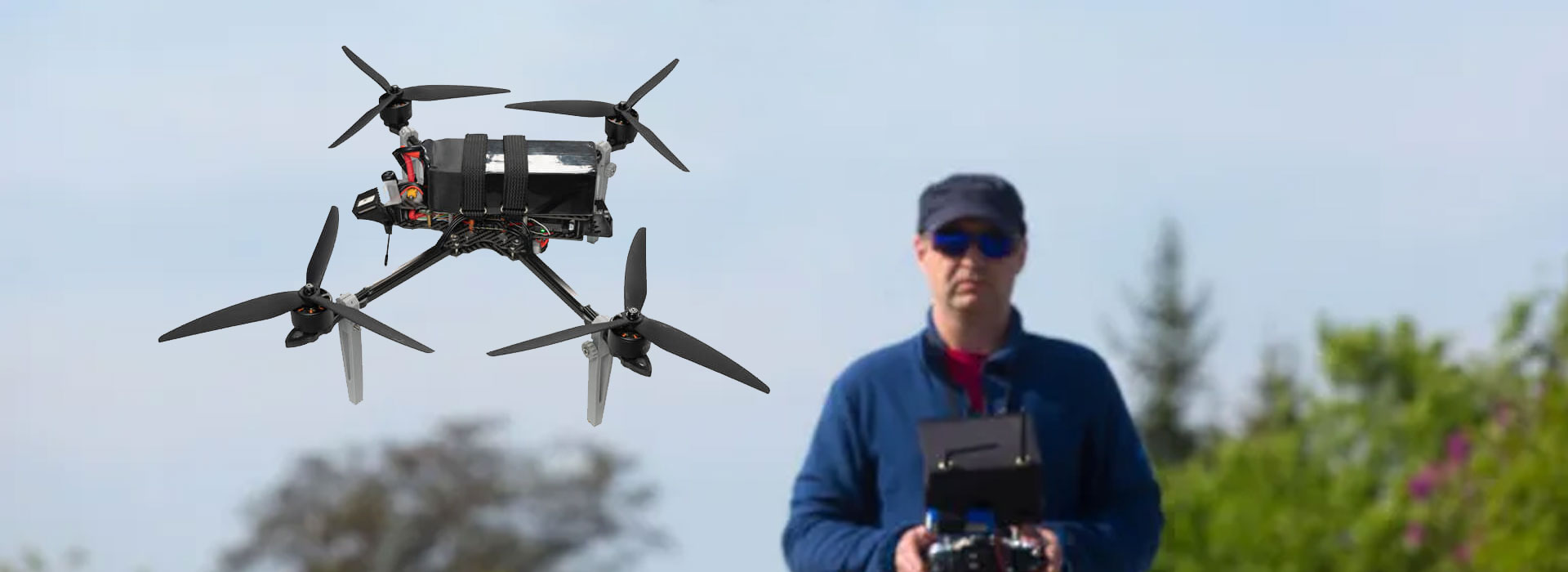
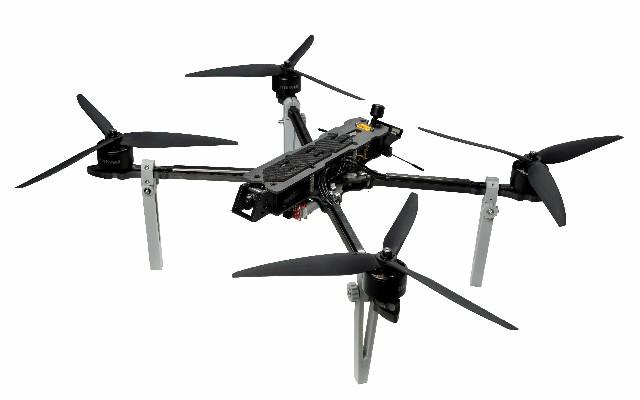
FPV drones, by contrast, are built around continuous human control. Operators fly the aircraft manually using real-time video feedback, allowing instant reactions to unexpected changes. This human-centered control model provides greater flexibility in complex environments but requires skilled operators.
Operational Altitude and Environment
Traditional UAVs usually operate at higher altitudes to maximize sensor coverage and survivability. They are optimized for wide-area surveillance and long-duration missions.
FPV drones operate close to the ground, often within visual range of terrain, structures, and obstacles. This low-altitude operation enables detailed observation and precise maneuvering in urban, forested, or confined environments where larger UAVs are less effective.
Mission Scope and Duration
Endurance is a defining feature of traditional UAVs. Many platforms are designed to remain airborne for hours, supporting persistent intelligence and monitoring missions.
FPV drones are optimized for short-duration missions with high immediate impact. Their strength lies in rapid deployment, fast execution, and quick recovery or replacement rather than sustained presence.
Cost and Scalability
Traditional UAV systems involve significant investment in airframes, sensors, ground stations, and support infrastructure. As a result, fleet sizes are often limited.
FPV drones are generally more affordable and easier to scale. Their lower cost enables wider distribution across units and allows them to be treated as expendable or semi-expendable assets in high-risk missions.
Survivability and Risk Management
Traditional UAVs rely on altitude, standoff distance, and defensive systems to improve survivability. Loss of a single platform can represent a significant operational and financial setback.
FPV drones manage risk differently. Their small size, low signature, and agility reduce detectability, while their lower cost mitigates the impact of losses.
Conclusion
FPV drones and traditional UAVs are not competitors but complementary tools. Each addresses different operational requirements within modern military forces. Understanding their differences enables more effective integration and informed platform selection for defense applications.

 Tel: +86-13959965075
 Email: info@fpvdroneskit.com
 MP/WhatsApp: +86-13959965075
 Manufacturer Address:Quanzhou Valley Nanan Science and Technology Innovation Center, No. 89 Shijing Avenue, Shijing Town, Nanan City, Fujian Province