Author:Military Drone Manufacturer TIME:2026-09-06
Introduction
The strategic landscape of modern warfare places increasing emphasis on tactical flexibility and rapid decision-making. FPV drones contribute to this environment by providing immediate, human-controlled aerial capability that complements larger and more complex unmanned systems. Their growing adoption reflects a broader shift in how military forces generate and apply combat power.
FPV Drones as Tactical Enablers
FPV drones enable tactical units to observe and act independently. By providing localized aerial awareness, they reduce reliance on centralized intelligence assets and allow units to adapt to evolving situations.
This capability enhances initiative at lower levels of command, which is increasingly important in modern, decentralized operations.
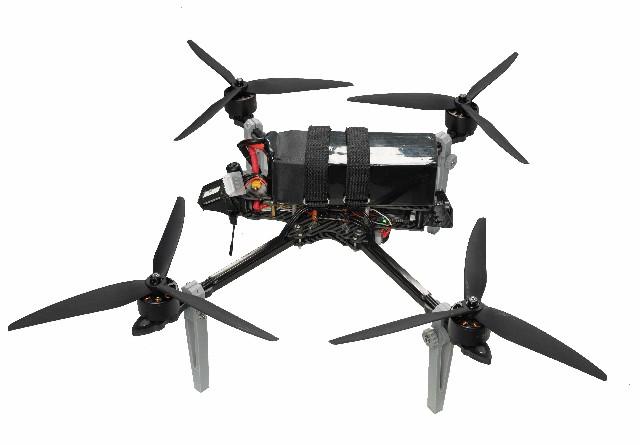
Balancing Simplicity and Effectiveness
Unlike highly complex UAV platforms, FPV drones emphasize simplicity. Their limited mission scope allows designers to focus on performance, reliability, and ease of use.
This balance between simplicity and effectiveness makes FPV drones well suited for rapid deployment and frequent use, particularly in high-risk environments.
Scalability and Operational Depth
FPV drones offer scalability that few other unmanned systems can match. Forces can deploy them in small numbers for specific missions or in larger quantities to create persistent local awareness.
This scalability increases operational depth and provides commanders with flexible options across different mission scenarios.
Impact on Military Planning and Doctrine
The availability of FPV drones is influencing military planning and doctrine. Commanders increasingly assume that tactical units have access to immediate aerial observation, which affects how operations are planned and executed.
Manufacturers must understand these doctrinal shifts to design systems that integrate effectively into modern force structures.
Considerations for Defense Manufacturers
For FPV and UAV manufacturers, the strategic value of FPV drones translates into specific design requirements. These include communication robustness, modular components, and consistency across production units.
Meeting these requirements positions FPV platforms as reliable assets rather than experimental tools.
Conclusion
FPV drones have gained strategic value by delivering practical, adaptable capabilities that meet the realities of modern warfare. Their role extends beyond individual missions, shaping how forces plan, deploy, and execute operations. As defense environments continue to change, FPV drones will remain a vital component of modern military capability.


 Tel: +86-13959965075
 Email: info@fpvdroneskit.com
 MP/WhatsApp: +86-13959965075
 Manufacturer Address:Quanzhou Valley Nanan Science and Technology Innovation Center, No. 89 Shijing Avenue, Shijing Town, Nanan City, Fujian Province