Author:Military Drone Manufacturer TIME:2026-09-06
Introduction
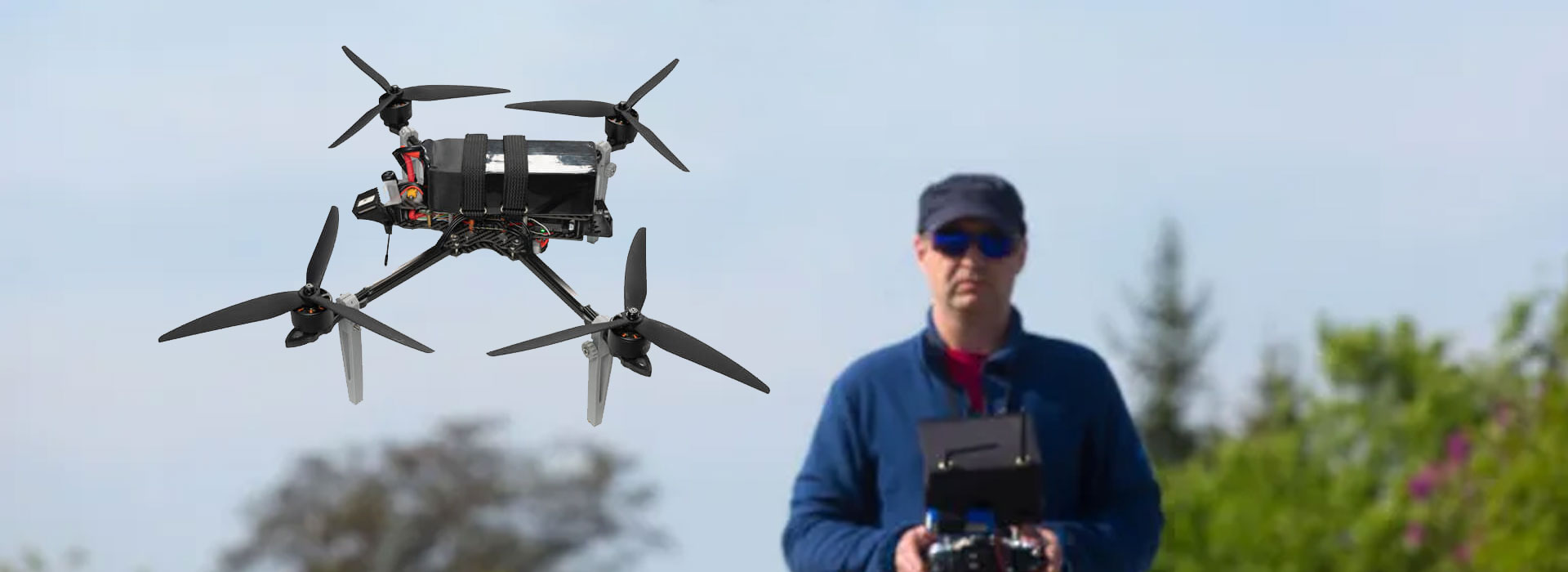
As FPV drones gain wider adoption across defense and security sectors, understanding their system-level design becomes increasingly important. Unlike general-purpose UAVs, FPV drone systems are optimized for immediate control, low latency, and tactical flexibility. These characteristics shape how FPV platforms are built, deployed, and integrated into defense operations.
System-Level Design Philosophy
FPV drone systems are designed around tight integration between hardware and control inputs. Airframes, propulsion systems, and electronics must work together with minimal delay to support real-time piloting.
In defense applications, this design philosophy emphasizes responsiveness and reliability over endurance or payload capacity. Every component contributes directly to flight performance and operational effectiveness.
Core Subsystems of FPV Drones
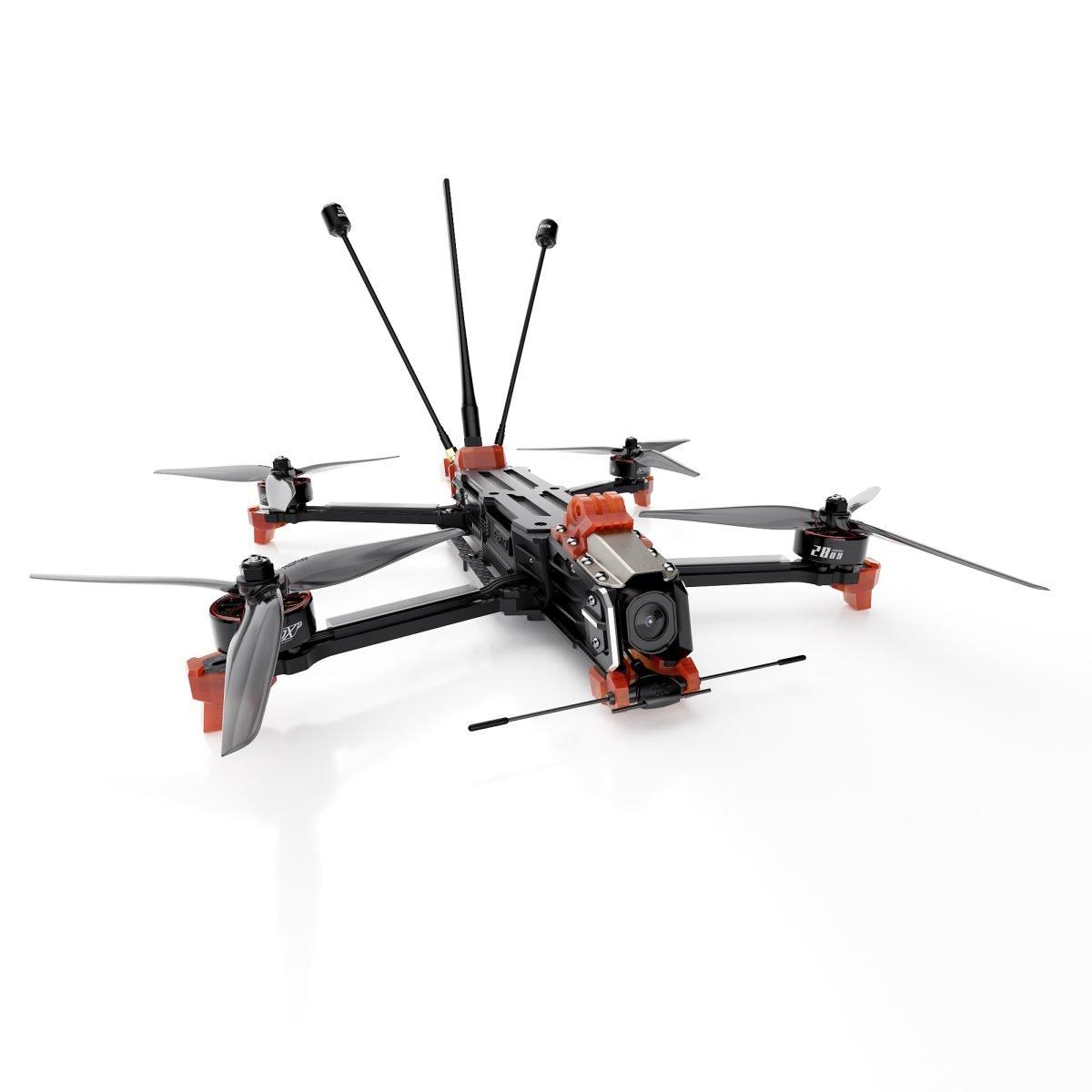
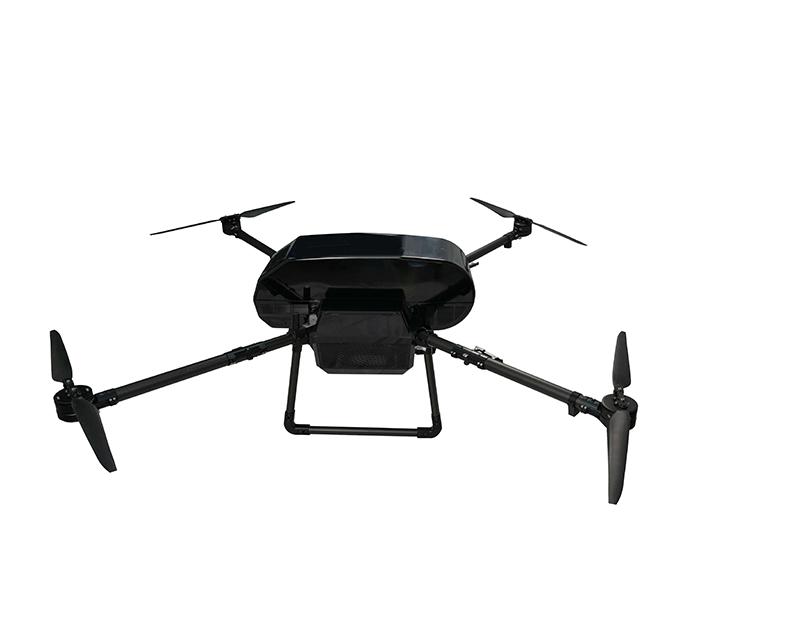
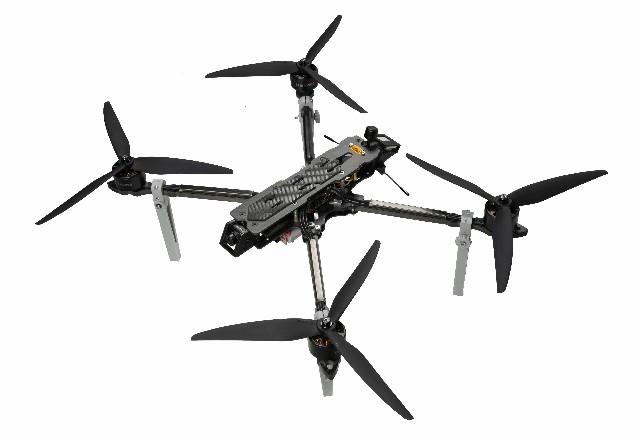
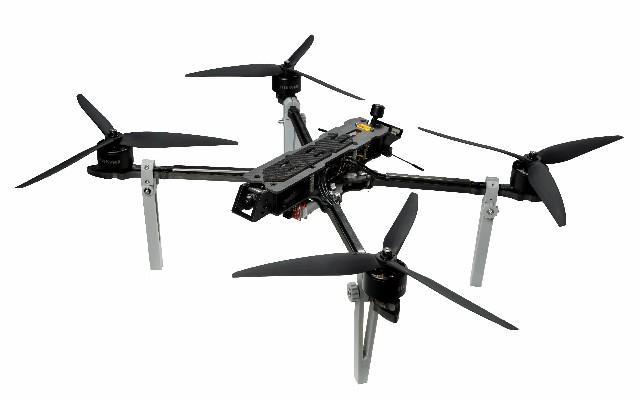
A typical FPV drone system consists of several essential subsystems. These include the airframe, propulsion system, flight controller, communication links, and onboard imaging equipment.
Each subsystem must be optimized not only for performance but also for durability and consistency. In military environments, exposure to vibration, dust, temperature extremes, and electromagnetic interference places additional demands on system design.
Communication and Control Architecture
Communication links are central to FPV drone effectiveness. Unlike autonomous UAVs, FPV drones depend on continuous, low-latency control and video transmission.
Defense-oriented FPV systems often incorporate hardened radio components, adaptable frequency management, and redundancy to maintain control in contested environments. Communication reliability directly influences mission success.
Visual Systems and Situational Awareness
The onboard camera and video transmission system define the operator’s situational awareness. High frame rates, low latency, and reliable signal quality are essential for precise maneuvering.
In defense applications, visual systems must perform consistently across varying light conditions and complex terrain, supporting rapid assessment and decision-making.
Integration into Defense Operations
FPV drone systems are increasingly integrated into tactical units rather than operated as standalone assets. This integration requires systems that are easy to deploy, maintain, and operate under field conditions.
Manufacturers must consider logistics, training, and support when designing FPV platforms for defense customers.
Conclusion
Understanding FPV drone systems at the architectural level helps clarify why these platforms are effective in defense applications. Their design prioritizes responsiveness, resilience, and simplicity, making them well suited to modern tactical environments. As adoption grows, system-level optimization will remain a key factor in FPV drone effectiveness.

 Tel: +86-13959965075
 Email: info@fpvdroneskit.com
 MP/WhatsApp: +86-13959965075
 Manufacturer Address:Quanzhou Valley Nanan Science and Technology Innovation Center, No. 89 Shijing Avenue, Shijing Town, Nanan City, Fujian Province