Author:Military Drone Manufacturer TIME:2026-09-06
Introduction
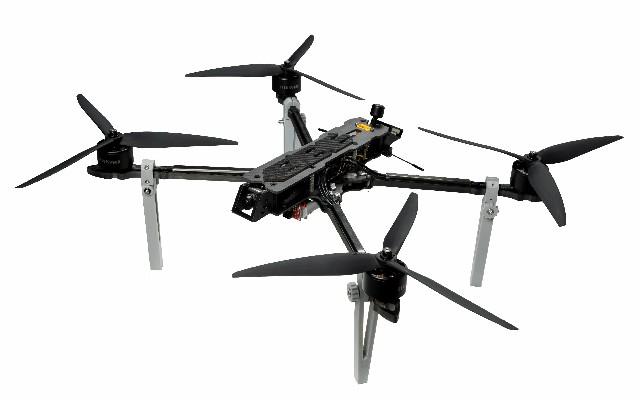
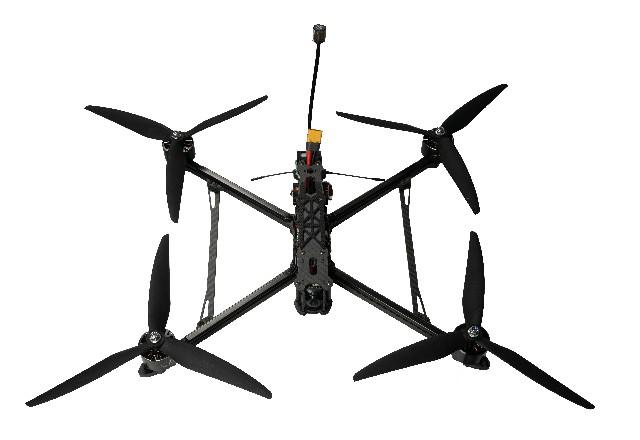
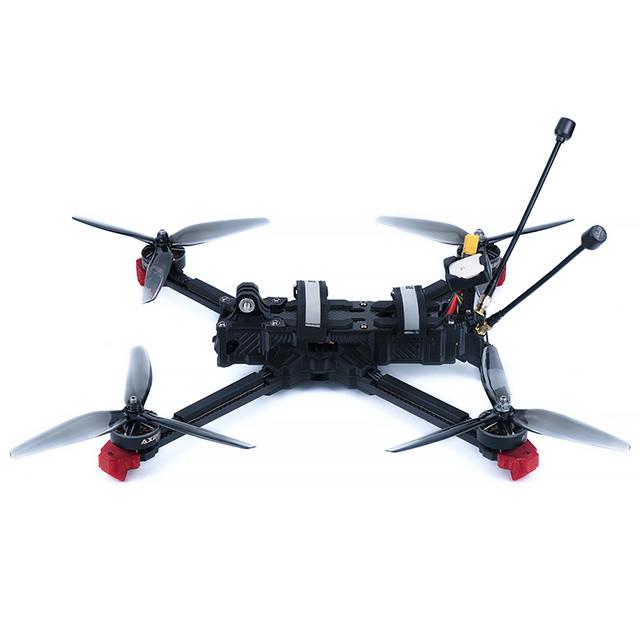
Unmanned systems have become an essential element of modern military capability. Within this broader category, FPV drones represent a new generation of tactical unmanned systems designed around speed, precision, and direct human control. Their emergence reflects changing operational requirements and a shift toward decentralized, adaptable technologies on the battlefield.
Defining a New Generation of Unmanned Systems
FPV drones differ from earlier unmanned platforms in both design philosophy and operational role. Rather than prioritizing endurance or autonomy, they focus on immediate responsiveness and operator control.
This approach enables FPV drones to address tactical needs that traditional UAVs are not optimized to meet, particularly in close-range and rapidly evolving environments.
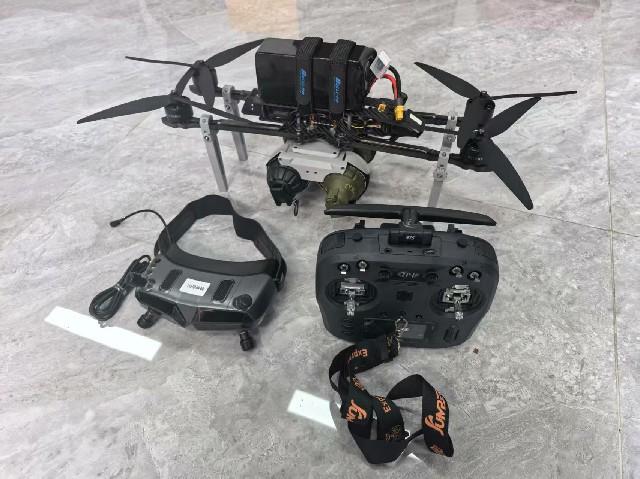
Human-Centered Design Philosophy
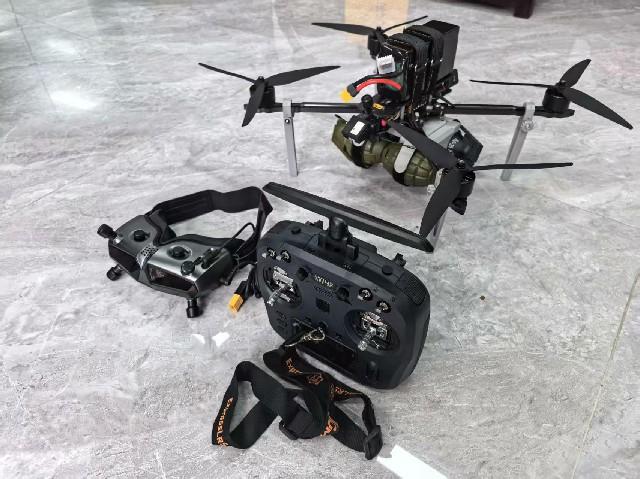
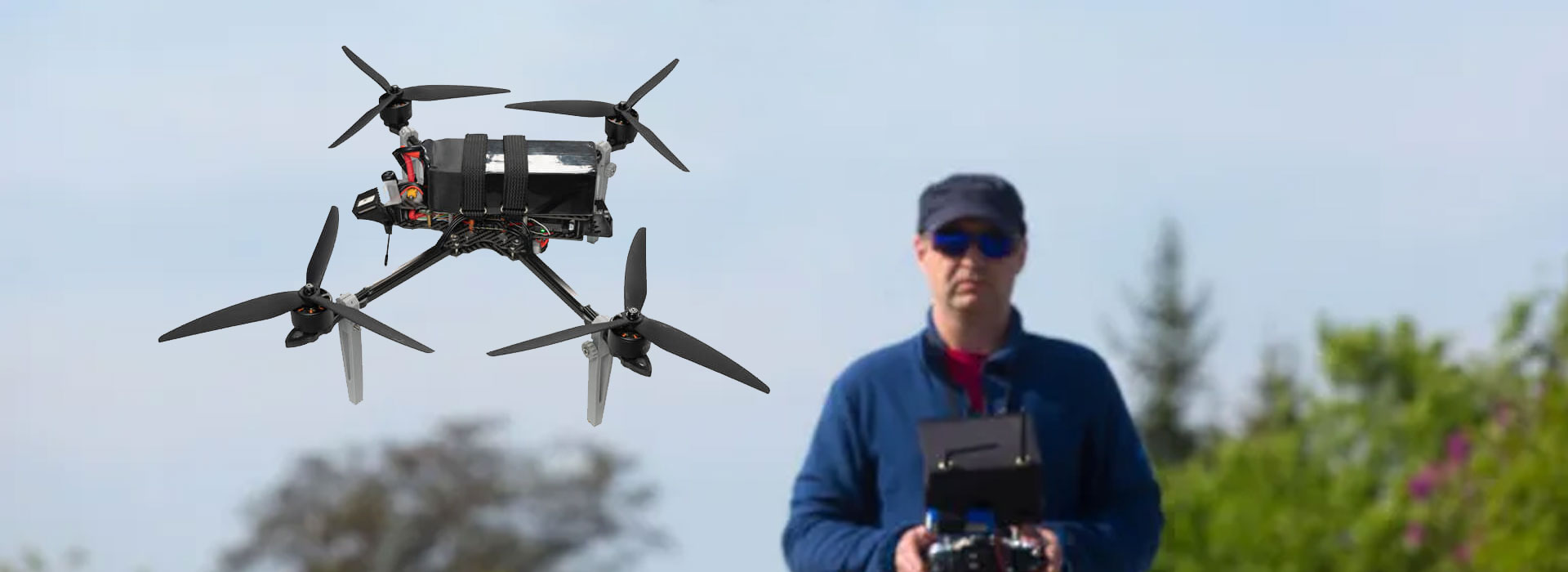
At the core of FPV drone effectiveness is a human-centered design philosophy. Operators control the aircraft using real-time visual feedback, allowing intuitive maneuvering and rapid adaptation.
This direct control model supports missions where judgment, perception, and timing are critical, reinforcing the role of human decision-making in modern warfare.
Tactical Integration and Deployment
FPV drones are increasingly integrated directly into tactical units rather than centralized aviation elements. This integration allows them to be deployed quickly and used flexibly based on immediate operational needs.
Their small size and simple support requirements enable frequent use across a wide range of missions.
Technology Enablers of Modern FPV Drones
Advances in electronics, communication, and propulsion have enabled the rise of FPV drones as tactical systems. Improved low-latency video links, compact flight controllers, and efficient power systems support reliable operation in demanding environments.
These technologies collectively define the capabilities of modern FPV platforms.
Implications for Defense Manufacturers
For manufacturers, FPV drones represent a distinct product category with unique requirements. Systems must balance performance with reliability, simplicity, and scalability.
Manufacturers that understand tactical user needs are better positioned to deliver FPV platforms that meet defense expectations.
Conclusion
FPV drones represent a new generation of tactical unmanned systems shaped by the realities of modern conflict. Their emphasis on human control, agility, and adaptability makes them valuable assets in contemporary military operations. As unmanned technology continues to evolve, FPV drones will remain a defining element of tactical aerial capability.

 Tel: +86-13959965075
 Email: info@fpvdroneskit.com
 MP/WhatsApp: +86-13959965075
 Manufacturer Address:Quanzhou Valley Nanan Science and Technology Innovation Center, No. 89 Shijing Avenue, Shijing Town, Nanan City, Fujian Province