| Price | On request |
|---|---|
| Model | Sky Eye-HT50 |
| Thermal imager | Uncooled LWIR; 1280 × 1024; 12μm |
| Stabilization | Three axes |
| Video output | Ethernet 1080p/720p, 30fps |
| Storage | MP4 1080p/720p 30fps; JPG 1920 × 1080 |
| Power input | 12V |
| Weight | 1060g ±5g |
| Lens configuration | Fixed 50mm athermal lens; 8x digital zoom |
| Control interfaces | S.Bus, UART, Ethernet |
Choose the YANGDA Sky Eye-HT50 when the camera's main job is to produce a thermal view. A 1280 × 1024 infrared detector and fixed 50mm lens distinguish it from an EO zoom payload. The three-axis gimbal carries a thermal-only imaging system: it can show heat-pattern contrast without relying on a colour picture, but it does not provide a separate visible-light channel. For UAV inspection, first decide whether that dedicated thermal view matches the report or observation your customer needs.
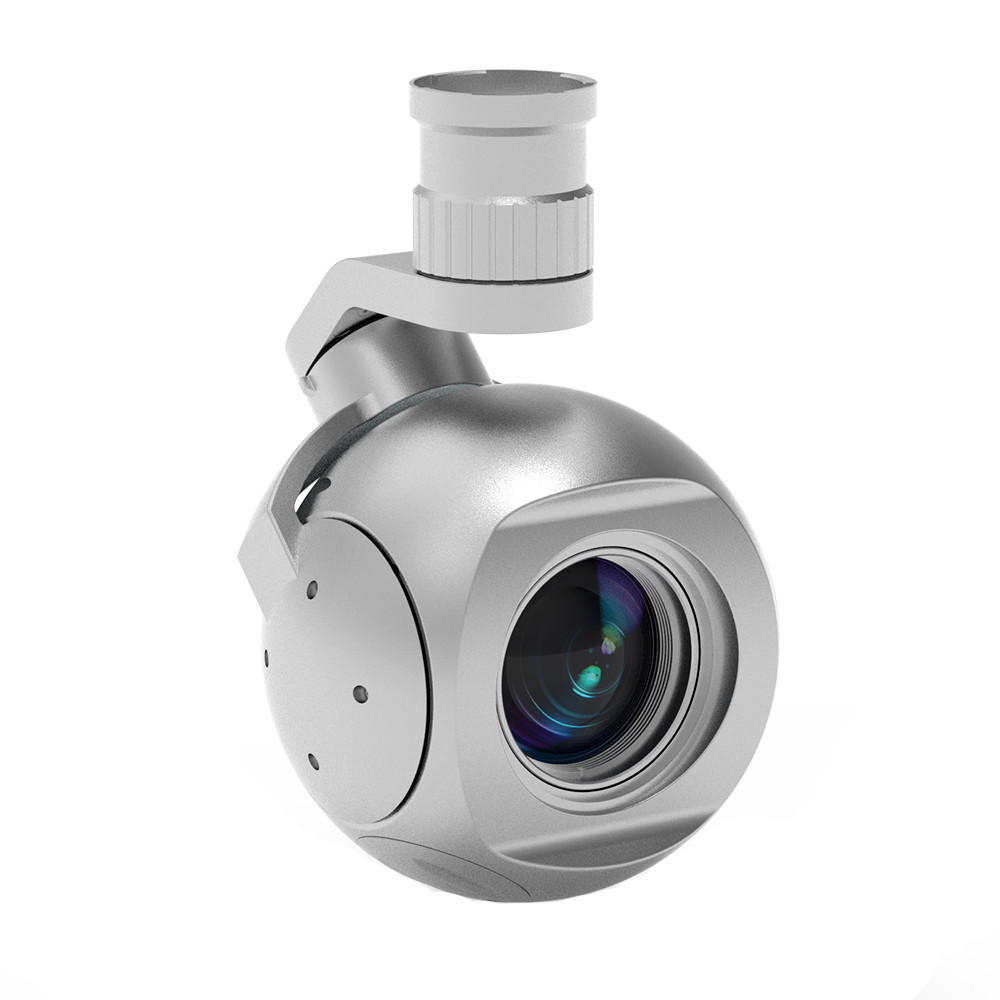
The detector specification describes the source thermal image. The manufacturer's video table separately lists Ethernet 1080p/720p at 30fps, with MP4 recording and 1920 × 1080 JPG photographs. These are different stages of the picture. A larger saved or displayed raster is not an additional thermal detector, and changing the output size does not turn digital enlargement into an optical zoom lens.
The HT50 lens is fixed, with 8x digital zoom listed. This makes the camera a particular optical choice rather than a variable-focal-length thermal system. Evaluate the scene coverage you need before buying. A facility overview and a smaller component examination may place different demands on the lens, even when both jobs use infrared imagery.
| Required result | Why consider the HT50? | What to clarify |
|---|---|---|
| A thermal-led overview of an industrial area | The dedicated infrared array provides the principal image, with a fixed 50mm lens. | Required coverage and the representative scene to review. |
| Thermal video at a ground viewing position | Ethernet viewing and local MP4 formats are documented. | The receiver or software that must accept the delivered stream. |
| Thermal patterns plus a matching colour view | The HT50 can supply the thermal part of that task. | Whether a dual-sensor payload is more practical than adding a second camera. |
| Temperature values for a technical report | A thermal image alone does not establish that deliverable. | Required calibration, accuracy and radiometric export before choosing a model. |
For example, a customer reviewing thermal differences across a roof needs to understand both the image coverage and how the files will be examined. The purchasing decision should describe that required result. For temperature reporting, specify the measurement range, accuracy and exported data format with the enquiry.
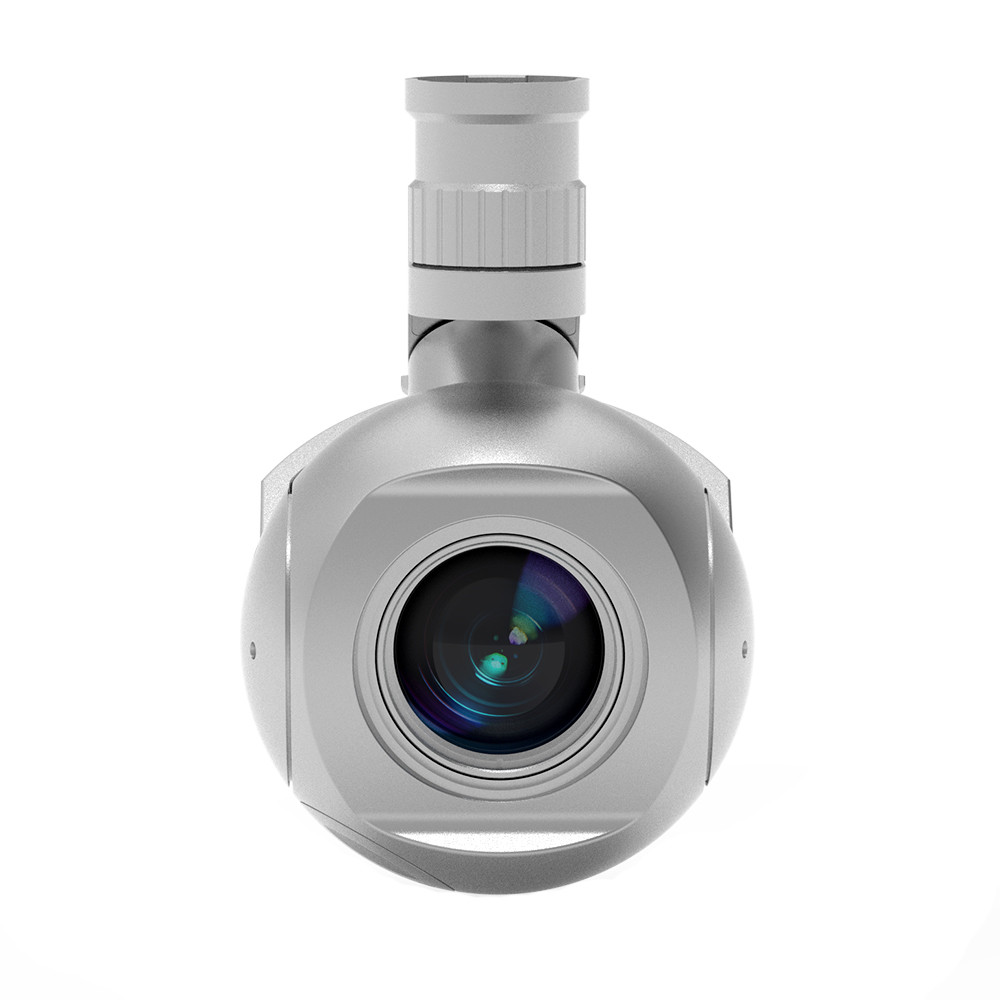
The manufacturer lists a 12V supply, 1060g ±5g for the camera and gimbal, and S.Bus, UART and Ethernet control interfaces. Those values help an integration team decide whether to continue evaluating the payload. Any added mounting plate, cabling or other aircraft hardware belongs in the complete installation review.
Choose the video receiver and controller alongside the camera. A suitable payload must fit the aircraft and deliver a usable picture at the intended endpoint. It is more useful to identify the exact viewing hardware now than to assume that every Ethernet-capable ground station accepts the same video configuration.
A thermal view can be useful in daylight too. Daylight does not change the HT50 into a colour camera. If the project needs visible labels, colour surface detail or paired EO/IR evidence, compare the broader Recon Eye-K3T dual-sensor option rather than expect the HT50 to create a missing visible channel.
The HT50 is a dedicated thermal camera with one 1280 × 1024 imager and a 50mm lens. Choose an EO/IR model instead if the installation needs a matching colour view.
No. The listed 50mm lens remains fixed. Digital enlargement changes presentation and should be judged using a representative image, not treated as extra optical detail.
Send the aircraft payload allowance, the scene or asset type, the required thermal file or live view, and the ground device you plan to use. Include any calibrated temperature-data requirement explicitly so it can be checked before ordering.
| Thermal detector | Uncooled LWIR; 1280 × 1024; 12μm |
|---|---|
| Infrared lens | Fixed 50mm athermal lens; 8x digital zoom |
| Gimbal | Three axes |
| Video output | Ethernet 1080p/720p, 30fps |
| Local files | MP4 1080p/720p 30fps; JPG 1920 × 1080 |
| Supply | 12V |
| Camera and gimbal | 1060g ±5g |
| Control interfaces | S.Bus, UART, Ethernet |
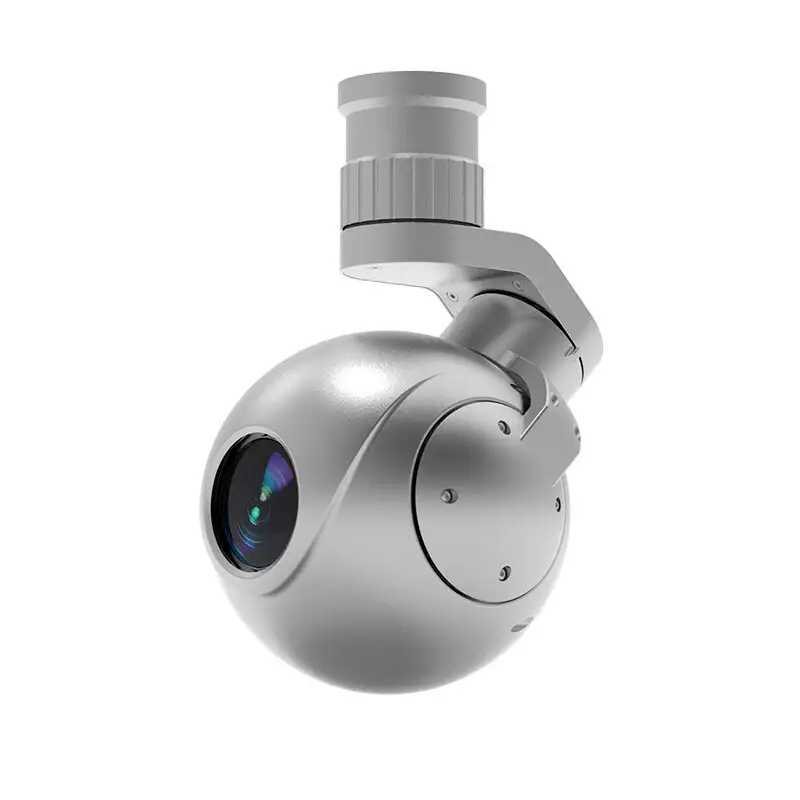
Choose YANGDA Sky Eye-30HZ-S optical zoom gimbal camera for daylight UAV inspection: 30x optics, Full HD imaging and HDMI or Ethernet video connections....
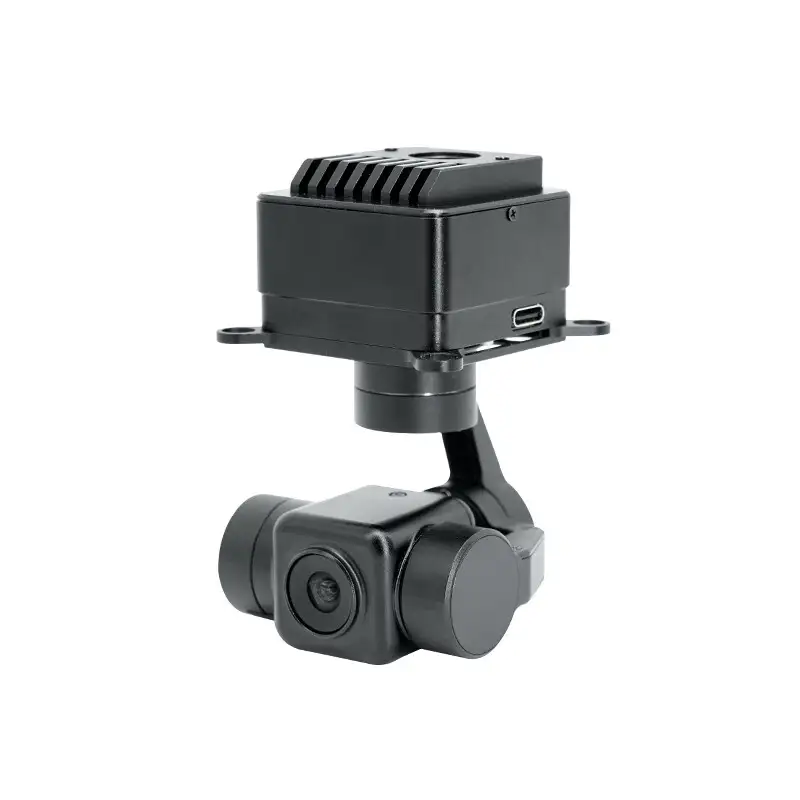
Explore YANGDA Recon Eye-K3 lightweight drone gimbal camera: 115 g, fixed wide-angle optics, three-axis control and 1080p recording for small UAV projects....
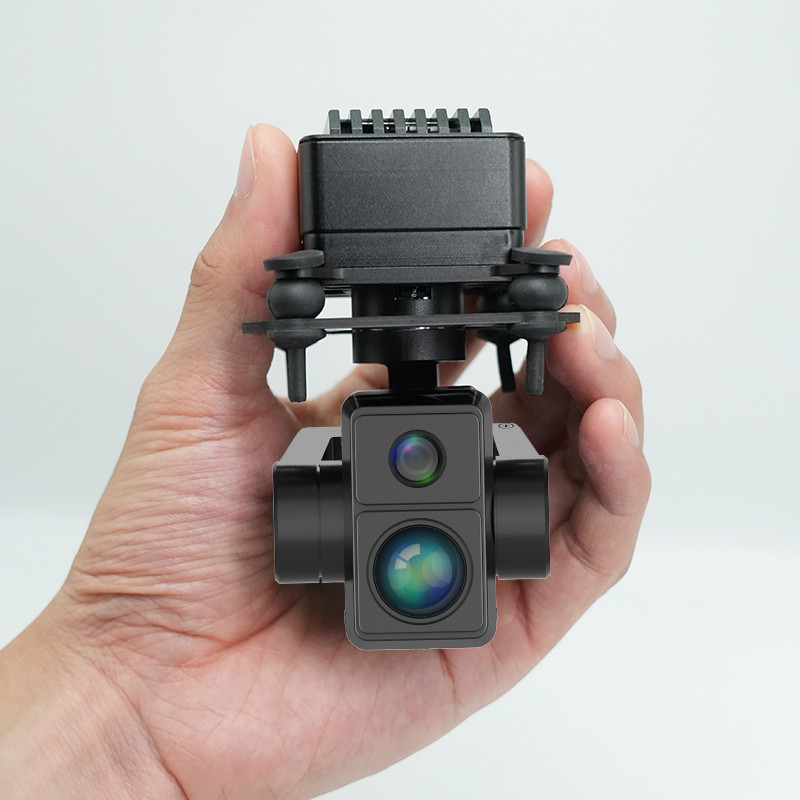
Explore the YANGDA Recon Eye-K3T compact drone gimbal: native 640 thermal imaging, 18 mm IR lens and visible-light camera with 40x digital zoom....
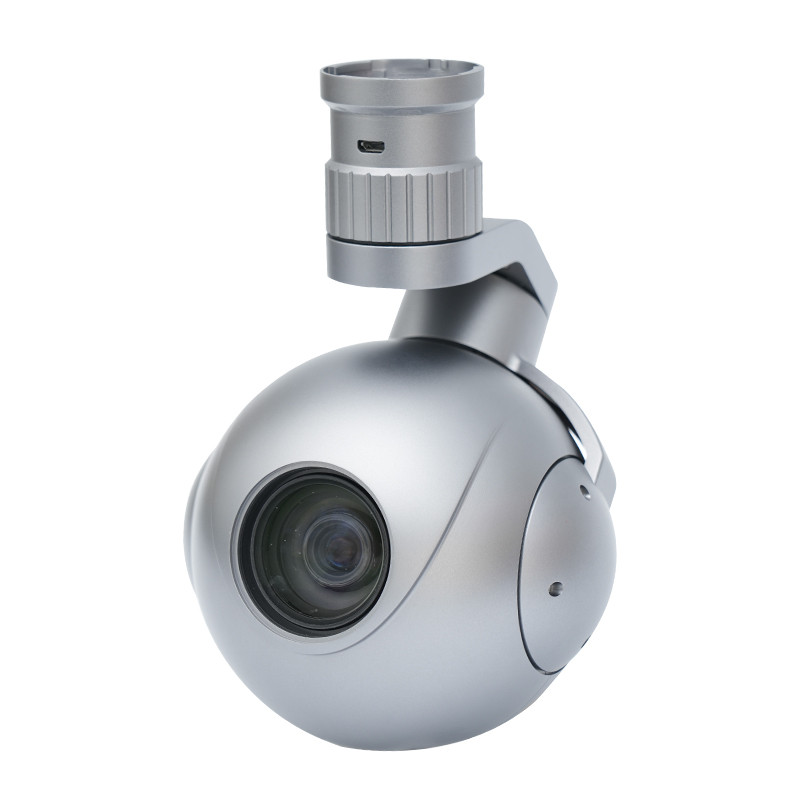
Inspect visible details with the YANGDA Sky Eye-40HZ. Compare its 40x optical zoom, 1080p recording and 910g payload before specifying a drone camera....
Choose the YANGDA Sky Eye-HT50 for thermal-led UAV inspection. Review its 1280 × 1024 detector, fixed 50mm lens, Ethernet video and installed mass....

 Tel: +86-13959965075
 Email: info@fpvdroneskit.com
 MP/WhatsApp: +86-13959965075
 Manufacturer Address:Quanzhou Valley Nanan Science and Technology Innovation Center, No. 89 Shijing Avenue, Shijing Town, Nanan City, Fujian Province