Author:Military Drone Manufacturer TIME:2026-09-06
Introduction
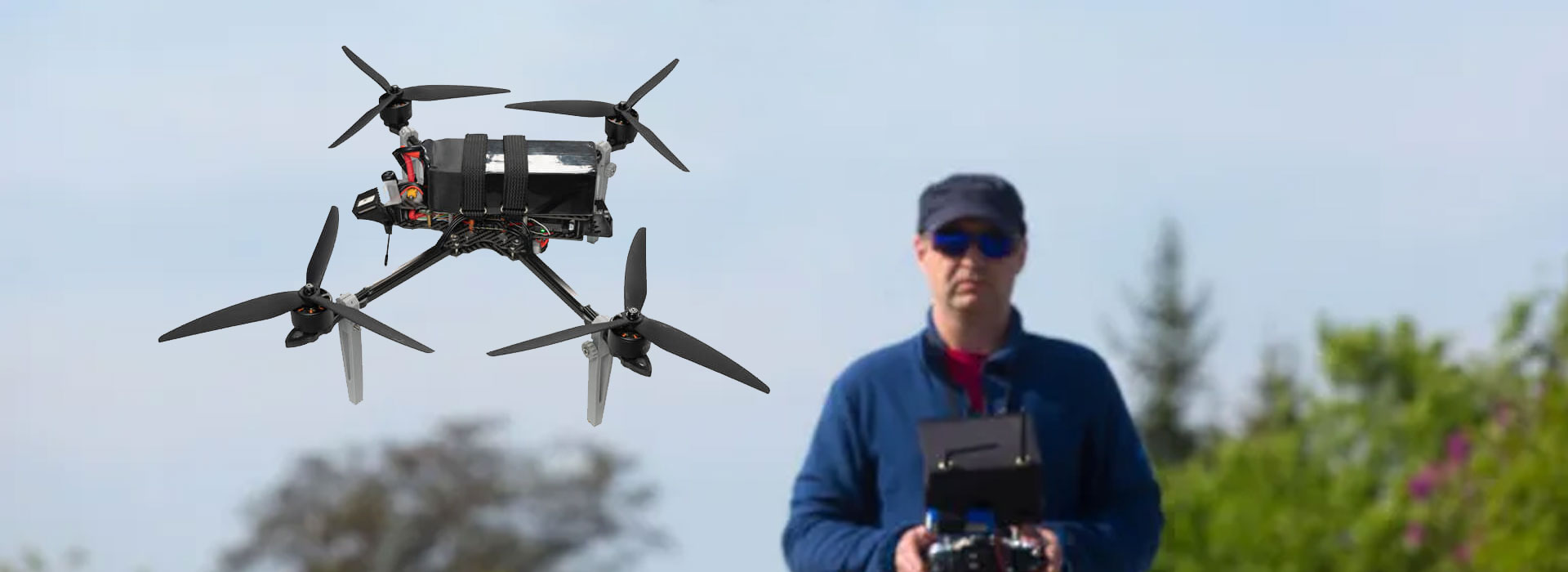
Military FPV drones are not defined by a single breakthrough but by the integration of multiple foundational technologies. Each subsystem contributes to overall performance, reliability, and operational effectiveness. Examining these technological foundations provides insight into why FPV drones are increasingly adopted for defense missions.
Sensor and Control Architecture
FPV drones depend on precise sensors to maintain stability and control. Gyroscopes, accelerometers, and control algorithms work together to ensure responsive flight.
Military systems prioritize sensor accuracy and robustness to maintain performance under vibration and environmental stress.
Low-Latency Control Pathways
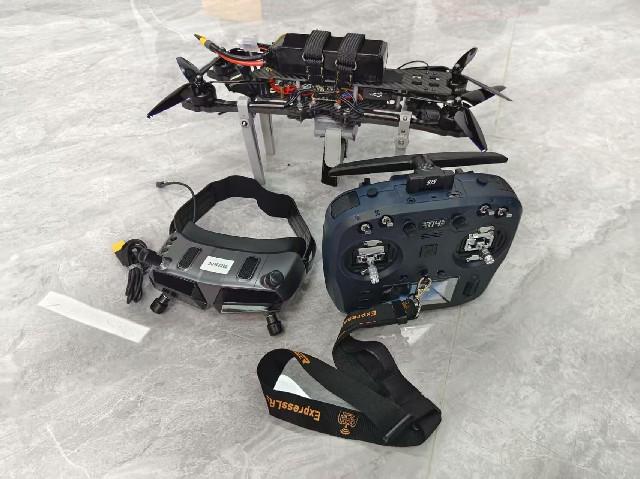
Latency is a critical factor in FPV drone operation. Control inputs must be processed and executed with minimal delay to support accurate maneuvering.
Optimized control pathways, from transmitter to flight controller, are essential for maintaining precise operator control in tactical scenarios.
Structural and Airframe Design
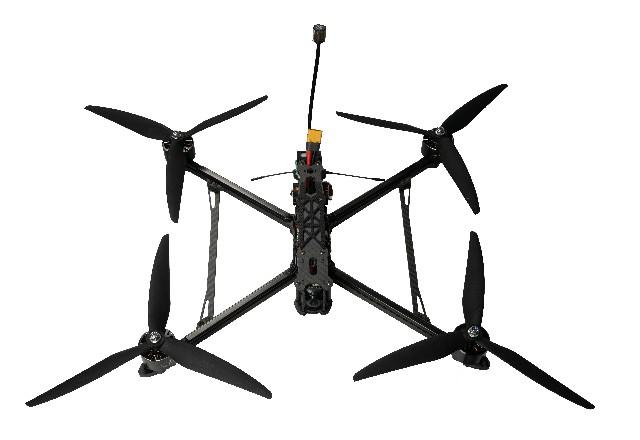
Airframe design affects both performance and survivability. Military FPV drones often use reinforced materials and simplified structures to balance strength with weight.
Structural integrity ensures consistent flight behavior and reduces the risk of in-flight failure.
Electronic Integration and Shielding
Electronic integration is a defining technology in military FPV systems. Components must operate without causing interference to one another.
Proper shielding, grounding, and layout reduce electromagnetic issues and enhance system stability.
Scalability and Production Technology
Core technology also includes how systems are produced. Consistent manufacturing processes ensure that each drone performs predictably.
Scalability is particularly important for defense users who require reliable performance across multiple units.
Conclusion
The technological foundations of military FPV drones extend beyond individual components. Through careful integration of control systems, propulsion, electronics, and structure, FPV platforms achieve the performance and reliability required for defense applications. These core technologies will continue to define future FPV drone development.

 Tel: +86-13959965075
 Email: info@fpvdroneskit.com
 MP/WhatsApp: +86-13959965075
 Manufacturer Address:Quanzhou Valley Nanan Science and Technology Innovation Center, No. 89 Shijing Avenue, Shijing Town, Nanan City, Fujian Province