Author:Military Drone Manufacturer TIME:2026-09-06
Introduction
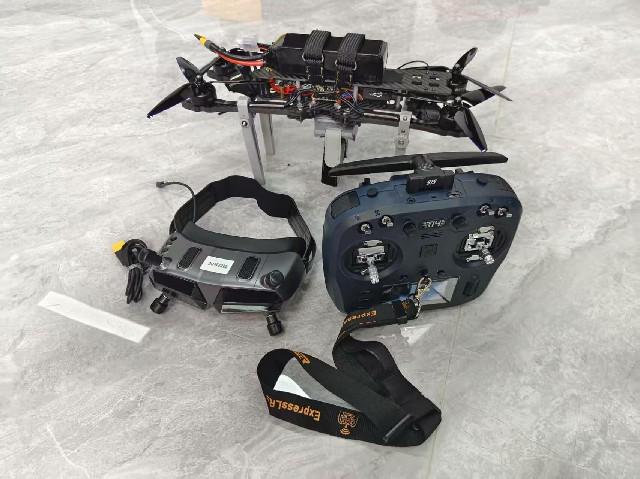
Communication systems are the lifeline of military FPV drones. Unlike autonomous UAVs, FPV platforms rely on continuous, real-time links between the operator and the aircraft. The design and performance of these communication systems directly determine control accuracy, situational awareness, and mission success in defense environments.
Role of Communication in FPV Operations
FPV drones require two primary communication channels: command and control, and video transmission. Both must operate simultaneously with minimal delay.
In military applications, communication reliability is critical, as even brief disruptions can compromise control or reduce operational effectiveness.
Control Link Architecture
The control link carries pilot inputs from the ground station to the drone. Military FPV systems prioritize low latency, consistent signal quality, and predictable behavior.
Advanced control links may support adjustable transmission power, frequency agility, and secure protocols to improve performance under challenging conditions.
Video Data Transmission
Video transmission enables first-person situational awareness. This channel must deliver high frame rates with minimal compression delay.
Military FPV drones often use dedicated video links optimized for stability rather than raw image quality, ensuring usable visuals even in degraded signal environments.
Frequency Selection and Management
Frequency choice plays a significant role in communication performance. Different frequency bands offer trade-offs between range, penetration, and susceptibility to interference.
Military FPV systems are designed to operate across multiple bands or adapt frequencies based on operational requirements.
Signal Integrity and Interference Resistance
Defense environments may include intentional or unintentional interference. Communication systems must maintain signal integrity despite electromagnetic noise.
Design considerations such as antenna placement, filtering, and power regulation contribute to improved resistance against signal degradation.
Integration with Ground Control Equipment
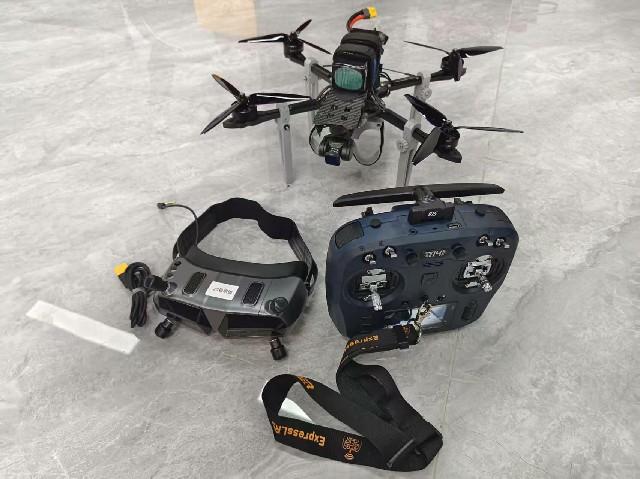
Communication systems must integrate seamlessly with ground control stations, including transmitters, receivers, and display equipment.
Ease of setup and reliability under field conditions are essential for tactical deployment.
Conclusion
Communication systems are a foundational element of military FPV drone capability. Through careful design of control links, video transmission, and frequency management, FPV platforms achieve the responsiveness and reliability required for defense operations. Ongoing refinement of communication technology will continue to enhance FPV drone effectiveness.

 Tel: +86-13959965075
 Email: info@fpvdroneskit.com
 MP/WhatsApp: +86-13959965075
 Manufacturer Address:Quanzhou Valley Nanan Science and Technology Innovation Center, No. 89 Shijing Avenue, Shijing Town, Nanan City, Fujian Province