Author:Military Drone Manufacturer TIME:2026-09-06
Introduction
Military FPV drones operate within strict performance boundaries defined by energy availability and system efficiency. These limits shape how FPV platforms are designed, deployed, and used in defense operations. Examining energy management provides insight into FPV drone capabilities.
Battery Performance Under Load
FPV drones demand high current output, especially during rapid acceleration or maneuvering. Battery performance under load affects both power delivery and usable flight time.
Consistent voltage output is critical for maintaining control and communication stability.
Weight and Payload Constraints
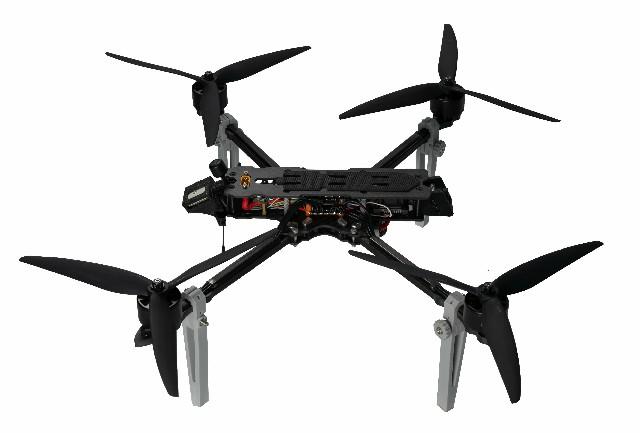
Every additional component increases weight and reduces endurance. Payload integration must be carefully managed to avoid excessive performance penalties.
Military FPV drones often favor minimal payloads to preserve agility and responsiveness.
Efficiency of Propulsion Systems
Motor and propeller efficiency play a key role in overall performance. Efficient propulsion reduces power draw and extends flight time.
Careful matching of components improves both thrust and energy utilization.
Mission-Driven Performance Optimization
Rather than maximizing endurance, military FPV drones are optimized for specific mission profiles. Short, high-performance flights often deliver greater tactical value than extended loitering.
This mission-driven approach guides system design choices.
Impact of Environmental Conditions
Temperature, altitude, and wind influence power consumption and endurance. Systems must perform predictably across varied conditions.
Design margins help ensure reliable operation under environmental stress.
Future Improvements in Power Systems
Advances in battery technology and power electronics may gradually extend FPV endurance. However, fundamental trade-offs between power and weight will remain.
Manufacturers continue to seek incremental improvements rather than transformative changes.
Conclusion
Energy management and performance limits are central to military FPV drone design. By understanding and respecting these constraints, FPV platforms can be optimized for effective tactical use. Power systems will remain a defining factor in FPV drone capabilities.

 Tel: +86-13959965075
 Email: info@fpvdroneskit.com
 MP/WhatsApp: +86-13959965075
 Manufacturer Address:Quanzhou Valley Nanan Science and Technology Innovation Center, No. 89 Shijing Avenue, Shijing Town, Nanan City, Fujian Province