Author:Military Drone Manufacturer TIME:2026-09-06
Quick decision. FPV Drone Battery Connectors: How to Verify a Safe Match Before Purchase is best treated as a comparison and record-keeping task, not a shortcut to a purchase claim. Start with the configuration you already own, list what is confirmed, and mark anything unverified for follow-up. The useful outcome is a setup that can be checked on the bench, supported with the right parts, and used only where local rules and permissions allow.
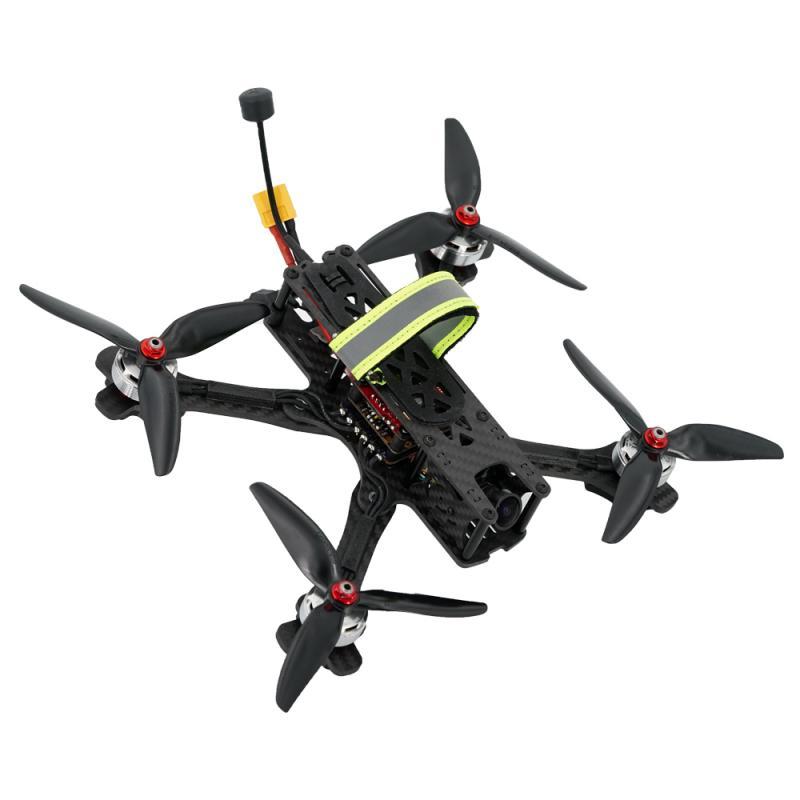
Write down the model, revision, firmware target, battery type, radio system, video system, and the parts that are included in the quotation or box. A name alone is not enough to establish compatibility. For this decision, the most relevant details are connector family, wire gauge, current rating, battery voltage, charger lead, and the condition of the existing cable. If a seller lists a headline number without the battery, environmental conditions, or test method, treat it as a question rather than as a promise. Keeping a short record makes later troubleshooting and spare-parts ordering much more reliable.
Use a simple three-column note: confirmed, optional, and to confirm. This prevents an accessory, connector, or firmware option from being mistaken for standard equipment. It also keeps the conversation with a supplier focused on evidence such as a current bill of materials, a wiring diagram, a manual, or photographs of the exact revision.
Compatibility is usually decided by interfaces rather than marketing labels. Check physical mounting, voltage range, connector type, radio protocol, video format, antenna connection, and the space available in the frame. Compare these details against the parts already on the bench. A component can be well made and still be a poor fit if it needs an adapter, a different supply voltage, or firmware that the existing system cannot support.
Ask for part numbers where possible. Part numbers reduce ambiguity when several revisions have similar names. They also make it easier to identify compatible spares and to compare a supplier quote with the manufacturer's documentation. Record any adapter or conversion step separately so it is visible during the final check.
Before any outdoor use, inspect the frame, fasteners, wiring insulation, connectors, antenna fit, and battery lead with power disconnected. When power is applied for a permitted bench check, remove propellers and keep the test short. Confirm that the radio inputs, video display, telemetry where fitted, and failsafe behavior are documented. Do not improvise from an unfamiliar setting; pause and consult the relevant manual or qualified support if the result differs from the record.
A bench check is not a substitute for a lawful flight plan. Its purpose is to find obvious assembly, configuration, or compatibility issues early. Keep notes on what was tested, the battery used, the firmware version, and any part that still needs confirmation. This creates a useful handover record if the model is maintained by another pilot or technician.
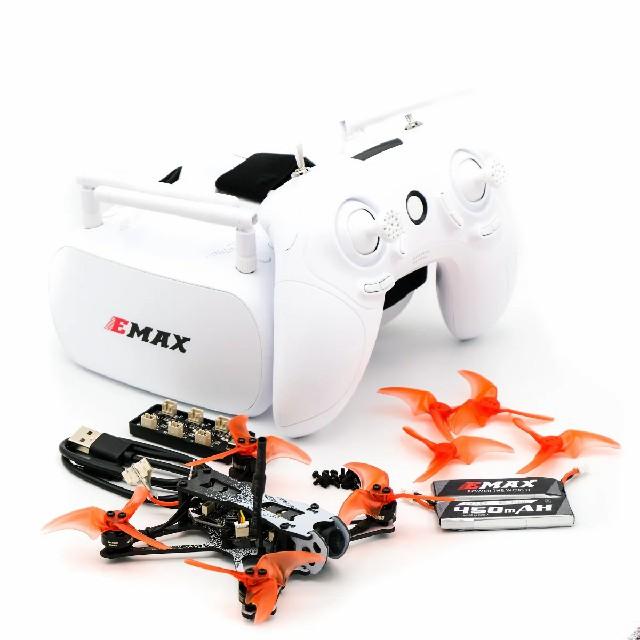
| Question | Evidence to request | Decision rule |
|---|---|---|
| What is included? | Current bill of materials and revision identifier | Do not assume optional parts are supplied |
| Will it connect? | Voltage, connector, protocol, and mounting details | Confirm every interface before purchase |
| How was a figure measured? | Battery, temperature, wind, reserve, and test setup | Treat unstated conditions as unconfirmed |
| Can it be maintained? | Manual, spare-parts list, and support route | Prefer documented service access |
This format makes supplier replies easier to compare. It also separates a measured fact from an estimate. When information is missing, add it to the quotation as a confirmation item instead of filling the gap with an assumption. That approach is slower at the beginning, but it avoids costly rework after the parts arrive.
Where more than one option is viable, favor the option with a clear manual, accessible spares, documented connectors, and a support contact that can answer configuration questions. Keep the first order small when practical, then inspect the delivered parts against the record before committing to a wider rollout. This is especially useful when a product description may cover several revisions or regional variants.
For the next comparison step, review the relevant FPV product category and send the supplier the exact missing inputs. A complete request includes the intended lawful environment, experience level, existing radio and video equipment, battery details, and the parts that must remain compatible.
Is the headline range, flight time, or speed guaranteed? No. Those figures depend on the stated setup and conditions. Ask how the value was measured and what reserve was used.
Can a new component be mixed with existing equipment? Only after the voltage, protocol, connector, mounting, and firmware requirements have been checked against the exact parts in use.
What should happen when information is unavailable? Mark it as to confirm, do not guess, and keep the order or bench test within a safe, reviewable scope.
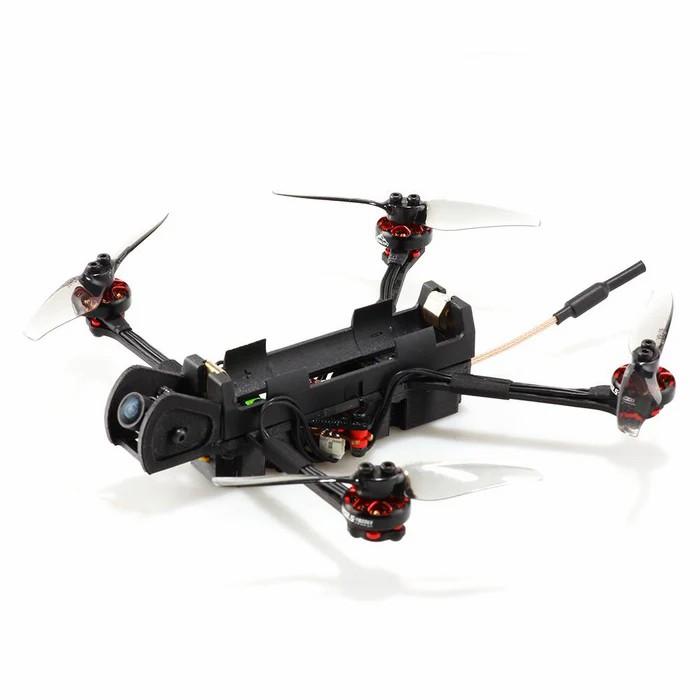
Finish with a short configuration sheet that lists the model revision, component part numbers, battery and connector standard, radio and video setup, firmware version, bench-check date, and the items still awaiting confirmation. This record is more useful than a generic specification list because it reflects the actual setup. Review it again before a lawful flight, after maintenance, and whenever a key component changes.
The central lesson of FPV battery connector is simple: documented compatibility and conservative checks matter more than a broad claim. When the configuration, evidence, and operating limits are visible, a pilot can make a clearer decision and maintain the equipment with less uncertainty.

 Tel: +86-13959965075
 Email: info@fpvdroneskit.com
 MP/WhatsApp: +86-13959965075
 Manufacturer Address:Quanzhou Valley Nanan Science and Technology Innovation Center, No. 89 Shijing Avenue, Shijing Town, Nanan City, Fujian Province