Author:Military Drone Manufacturer TIME:2026-11-15
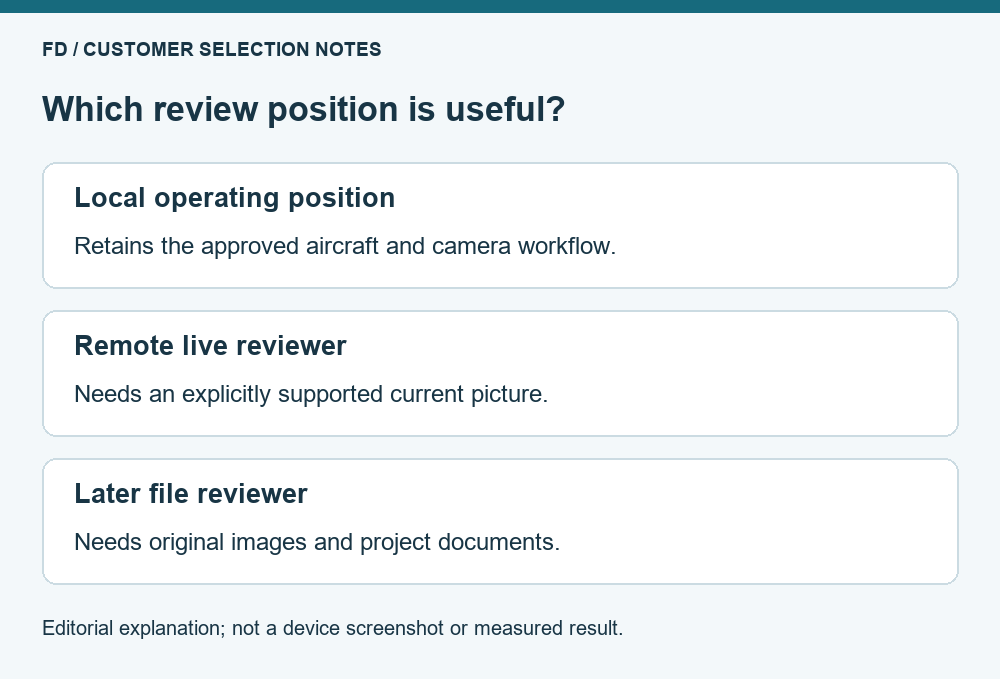
Remote browser viewing is useful when a specialist away from the field needs a supported live picture for a defined review task. Keep the local operating position when the authorized operator needs the immediate aircraft and camera workflow at the site. A 5G Intelligent Cloud Box can be part of a cellular video-and-data arrangement, but its name does not turn every browser into a complete ground controller. Decide which information the remote person needs, whether it must be live and which service actually presents it. This separates a useful remote-review purchase from an assumed replacement for the local control system.
Some review tasks genuinely benefit from a current picture. A building specialist may need to discuss a visible feature with the field team, or a project reviewer may need to see how a particular area relates to its surroundings. Other tasks, such as writing a report from original photographs, can be completed after the session. Those two needs should not automatically produce the same cellular equipment and service purchase.
Write the remote question in plain language. The person needs to identify which roof section is under discussion, inspect a supplied image later, or compare a current view with a drawing. Avoid a requirement that says only remote access, because it does not identify the necessary picture, application or timing. A supplier can propose a more useful arrangement when the expected review action is specific.
If later file review meets the need, use the supported file workflow rather than purchase live access merely because it is available in a product description. If live viewing is essential, ask for that exact task to be demonstrated through the offered service. The value comes from useful information reaching the right person, not from the presence of a cellular module alone.
| Position | Typical useful job | What must be explicitly supported |
|---|---|---|
| Local authorized operating position | The project's approved aircraft and camera workflow | The actual control equipment and operating arrangement |
| Remote live-review position | Discuss a supported current camera view | The complete stream, service and browser-viewing path |
| Remote document-review position | Compare files with project drawings and notes | A supported way to obtain and open the required files |
| Additional control position | A separately authorized system role | Explicit equipment, software and project support; never inferred from viewing |
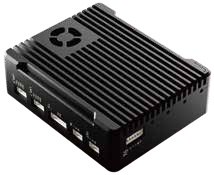
The table allocates jobs rather than assigning all of them to the cloud box. The public reference describes cellular video and data use, while supplied functions depend on the offered configuration and platform. A remote picture alone does not establish independent camera commands, aircraft control or a particular response time.
This distinction can simplify a purchase. The field team may retain its existing local equipment while a remote specialist receives only the information needed for review. Alternatively, a later-file workflow may already solve the problem. Both choices can be useful without turning every participant into an operator.
A browser-viewing arrangement contains more than a radio connection. It includes the source video, the equipment sending it, a supported network and service path, and the browser interface that presents the result. The source brochure mentions RTMP streaming and web-platform support. Those references do not establish that a raw stream opens directly in every browser or that an account automatically provides the required viewer.
Ask the supplier to name the supported service and demonstrate the actual browser workflow. The useful question is what the reviewer opens and what picture appears, rather than whether several protocol names are listed on the same sheet. If another platform or conversion function is required, it belongs in the supplied scope and cost comparison.
Also distinguish the original camera stream from the picture delivered by the service. A service may present a different image profile or application view. The buyer should see which one is offered and whether it answers the review task. This article does not assert a built-in cloud recording function, a specific browser codec or an automatic format conversion for the cloud box.
For a discussion about a visible building feature, the reviewer may need a contextual view and enough detail to understand what the field operator is showing. They may not need every source image channel continuously. For a later engineering report, the reviewer may instead require original files. These are different deliverables, and a small live preview is not automatically an adequate substitute for a camera's saved photograph.
Ask for a representative sample at the remote viewing position. It should show the kind of scene the person will actually discuss, with the intended screen layout and any supported overlays. Avoid judging the purchase from a promotional screenshot that gives no information about its source. A screenshot can illustrate an interface but cannot establish the behavior of the complete live path.
Do not assume that a larger remote screen improves the transmitted source. It can make existing information easier to examine, while the camera profile and complete service path determine what reaches it. The useful comparison is whether the reviewer can answer the defined question. Resolution labels are supporting information, not a replacement for observing the actual proposed picture.
A cellular service introduces a network and service dependency into the remote-viewing arrangement. Availability and behavior depend on the supplied equipment, service and actual circumstances. A 5G label is not a guarantee of continuous access or an end-to-end delay. The buyer needs a supported complete arrangement and a clear understanding of what the remote position is expected to do.
For a review-only position, decide what happens when the current view is unavailable or not useful enough for discussion. The project might defer the review or use the supported later-file process. That is a work-allocation decision, not a prescription for operating an aircraft through a degraded connection. The authorized field operating procedure remains the basis for the local task.
The cloud-box source contains promotional statements about redundant transmission, but it does not provide complete evidence for automatic failover behavior in every delivered setup. If a purchasing requirement depends on continuity, ask for the exact offered arrangement and relevant supplier evidence. Do not transform a general redundancy phrase into a guaranteed operational capability.
Compare equipment and service together. A quote can include the box but exclude a required platform subscription, integration work or the receiving device. Another offer may include some of those items. The customer should be able to see which required functions each total completes, and which existing equipment can remain in use.
The number and location of reviewers may also change the service needed. Ask how the offered platform supports the intended viewing pattern, including whether several people can view the same supported session and which service tier applies. Do not infer unlimited viewers from a web-platform claim. A demonstration with one account is evidence of that particular workflow, not of every possible remote-review arrangement.
If review happens only occasionally, compare live access with a supported file-sharing process using the actual project needs. The result may favor the cloud box for timely specialist discussion, or it may show that the existing later-review workflow is sufficient. The point is to pay for a useful capability rather than make every inspection depend on a service the team rarely uses.
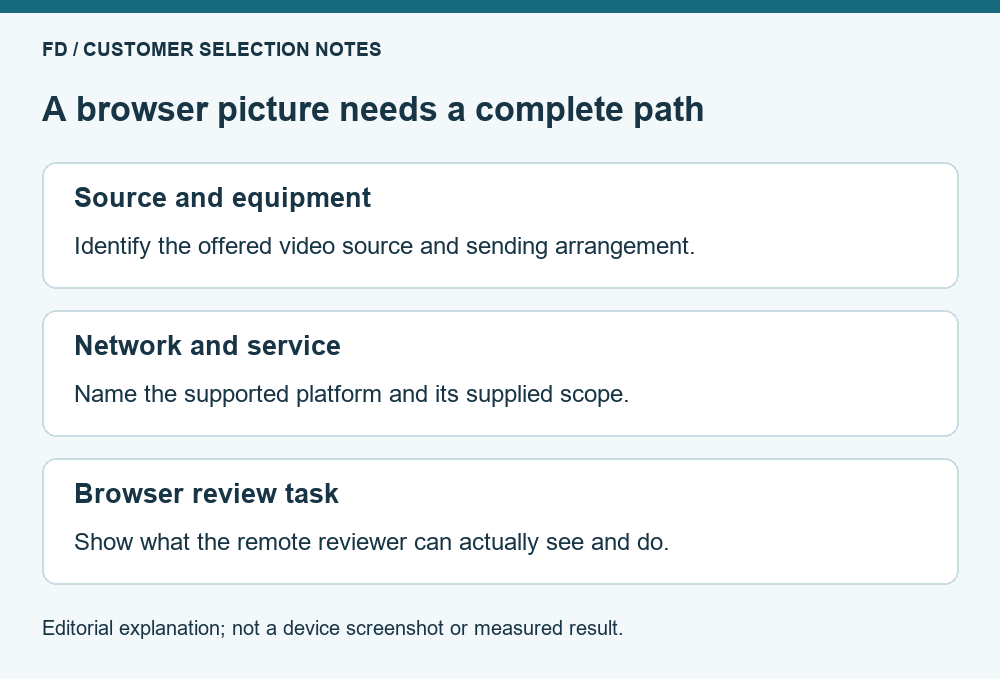
Consider a field team discussing a façade detail with a specialist at another office. The local authorized operator retains the existing control workflow. The specialist needs a supported current picture and access to a drawing. A useful proposal shows what the cloud box sends, what service receives it and what the specialist sees in the actual browser interface.
Compare that with a project in which the specialist only prepares the next day's report. Original photographs and project notes may satisfy the requirement without a live connection. If the team still prefers live discussion, the offer should explain the additional benefit and the required equipment or service, rather than present cellular viewing as compulsory for every reviewer.
For the current product role and a supply enquiry, review the 5G Intelligent Cloud Box and describe the remote-review task to FD. Include whether review is live or later, what picture or files are required and which local equipment will remain. A task-based request helps the supplier explain a complete arrangement without borrowing disputed specifications from a similar product table.
No universal support follows from that phrase. The offered platform, browser workflow and complete source path should be identified and demonstrated. Any required service or format conversion belongs in the supply discussion.
Not by itself. Viewing and control are different functions. Keep the project's authorized local operation and any separately supported control role distinct from a browser position used for specialist review.
Do not assume that. The transmitted view may use a different profile or presentation. A report requiring original photographs should have a supported file workflow in addition to any live viewing requirement.
That depends on the supplied platform and service arrangement. State the intended viewing pattern and request evidence for it. A demonstration with one viewer does not establish unlimited simultaneous access.
Conflicting processing, size, power and related entries shared with the separate VS50Y table are not used to promise cloud-box performance. Obtain corrected model-specific documentation when those fields determine the purchase.
Cloud-box scope follows the offered product description and supplier brochure. Live review, browser service and later files remain distinct requirements; the façade discussion is illustrative. References checked 21 October 2026.

 Tel: +86-15059599996
 Email: info@fpvdroneskit.com
 MP/WhatsApp: +86-15059599996
 Manufacturer Address:Quanzhou Valley Nanan Science and Technology Innovation Center, No. 89 Shijing Avenue, Shijing Town, Nanan City, Fujian Province