Civil condition-record reference · Evidence C
Durability and maintenance are mentioned in the original Russia-labelled note. This civil documentation reference concerns exterior descriptions only; it does not validate a Russian deployment, interference resistance or equipment reliability.
“Looks fine” is difficult to compare with a later description. So is “bad condition.” Neither tells a reader which visible feature prompted the comment. When several people contribute to an equipment record, a small set of descriptive words can make their notes easier to understand without asking them to diagnose or repair anything.
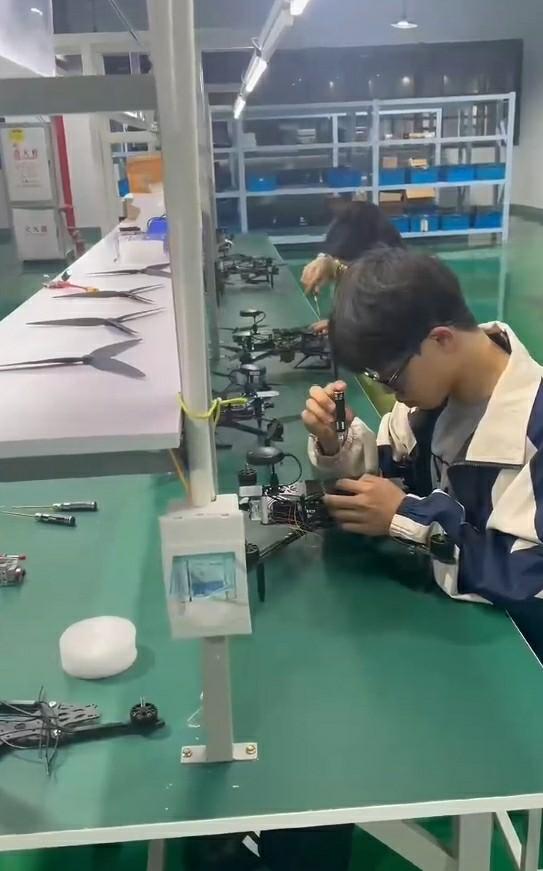
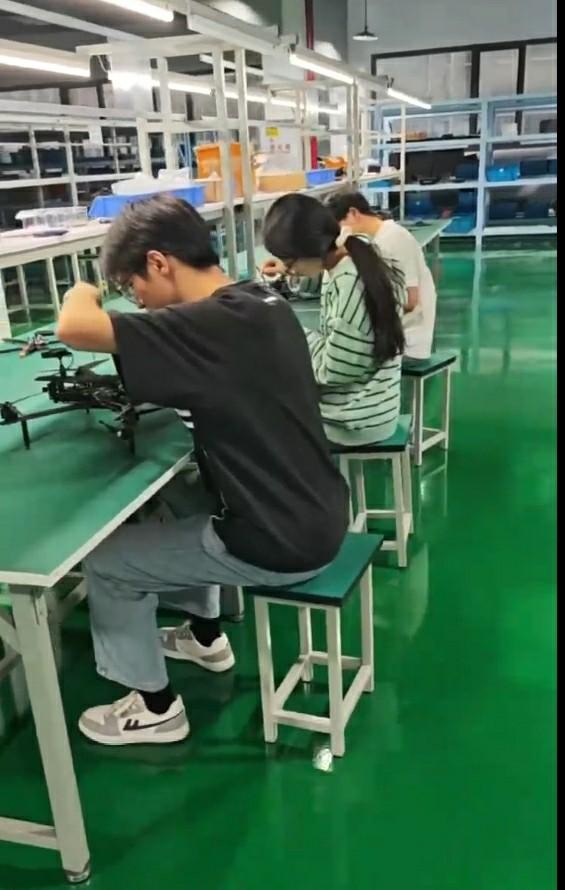
Choose a shared way of naming the item's sides or reference positions, using existing documentation where available. Keep each contributor's original meaning when editing for clarity. If two descriptions disagree, preserve both attributed statements until the difference is explained rather than blending them into one apparently settled account.
Use only the view already available for the writing task. Do not open, energize or handle unfamiliar equipment to fill a gap in a description. Refer a missing view or uncertain identity to the person responsible for the item.

 Tel: +86-13959965075
 Email: info@fpvdroneskit.com
 MP/WhatsApp: +86-13959965075
 Manufacturer Address:Quanzhou Valley Nanan Science and Technology Innovation Center, No. 89 Shijing Avenue, Shijing Town, Nanan City, Fujian Province