Author:Military Drone Manufacturer TIME:2026-09-06
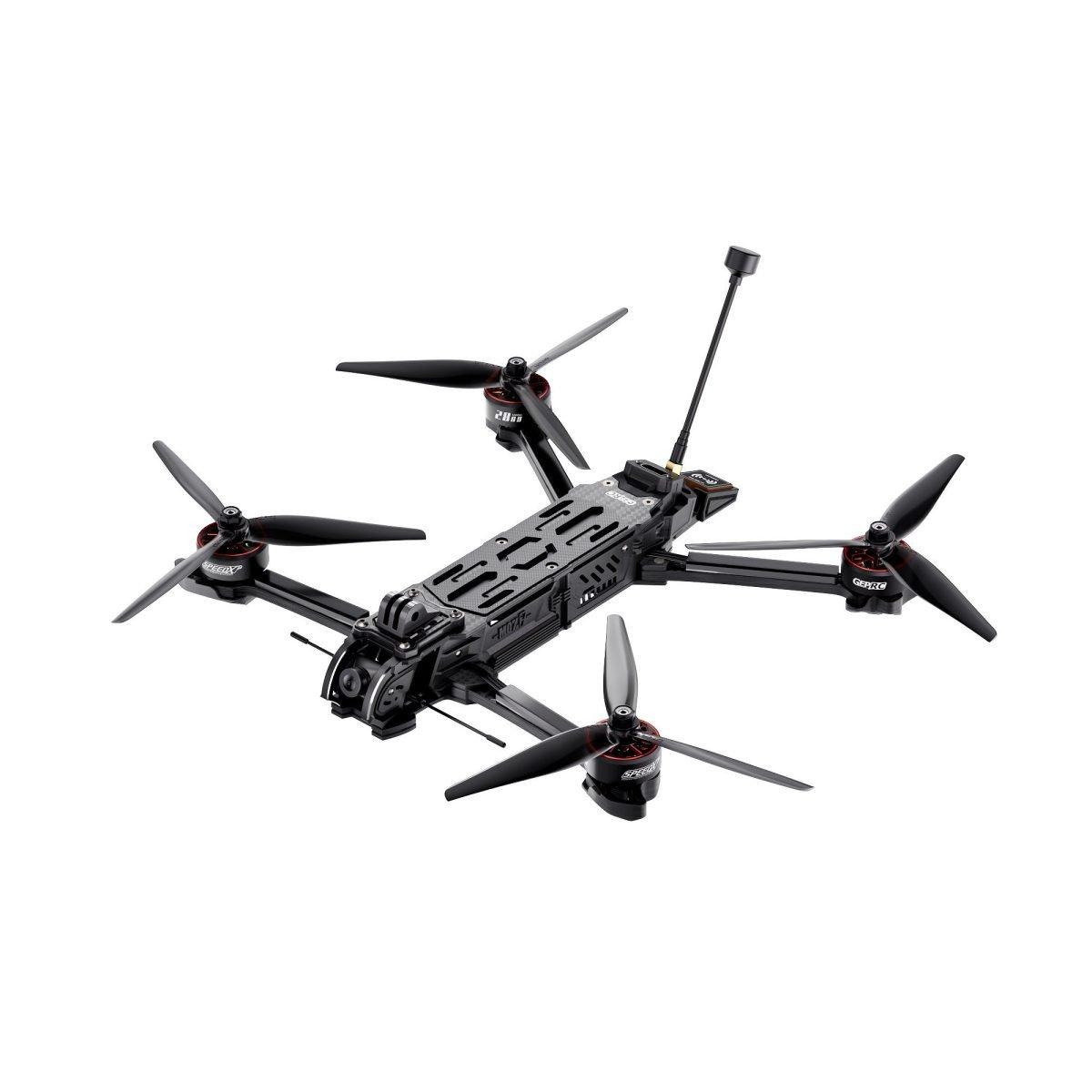
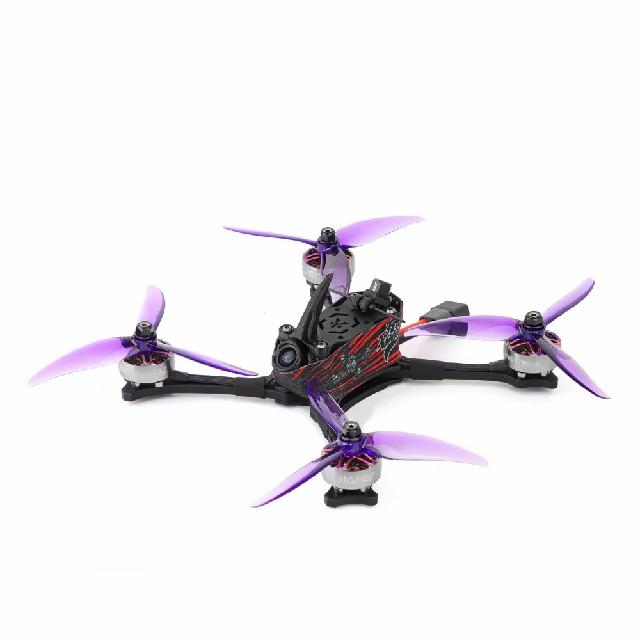
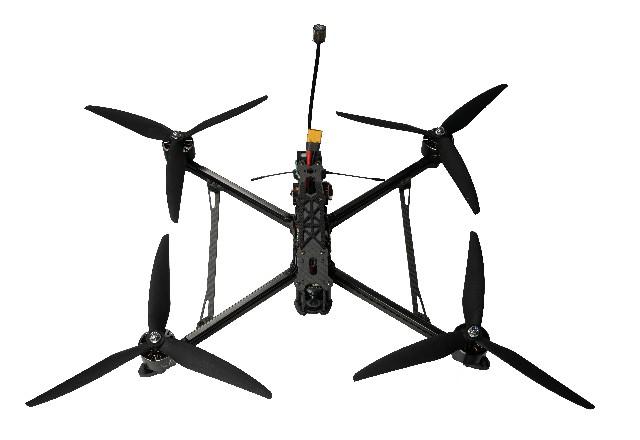
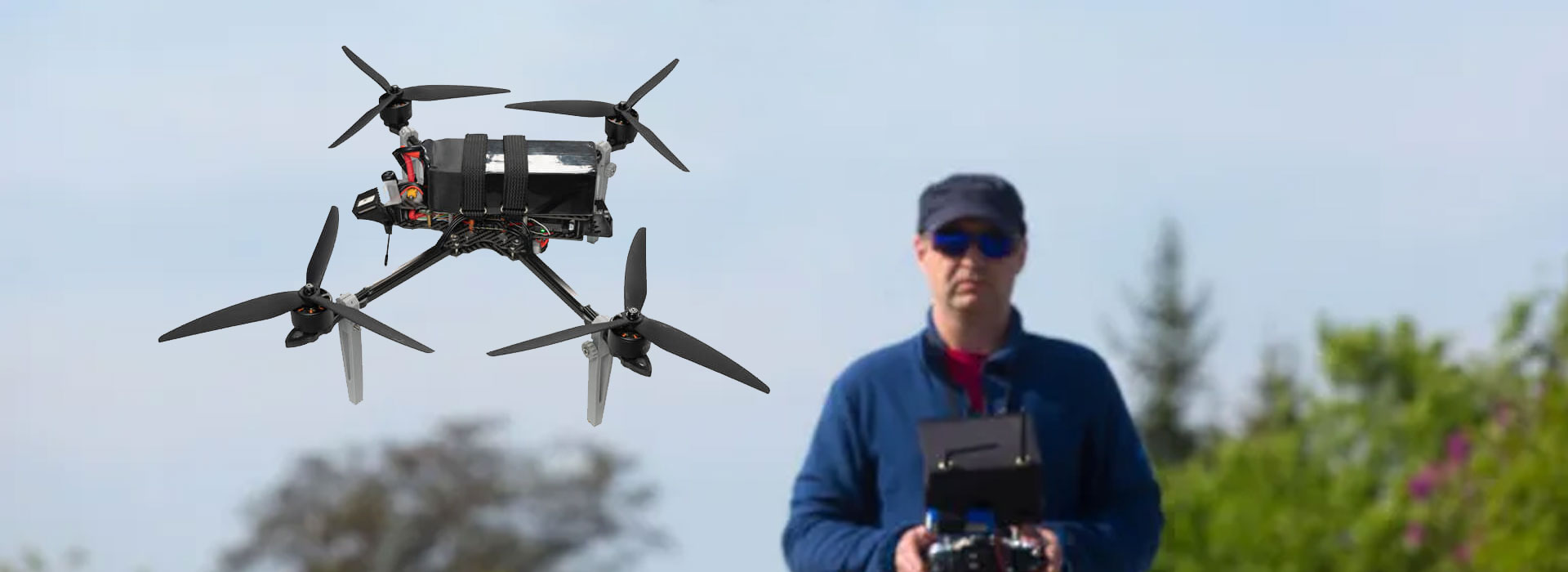
FPV stands for “First-Person View.” Instead of observing from the ground, pilots wear goggles to see real-time video from the drone’s onboard camera, giving a true cockpit-like perspective during flight.
FPV drones provide precise control, especially in tight environments. Pilots can perform flips, rolls, and sharp turns with ease—ideal for racing, freestyle tricks, and cinematic shots.
Modern FPV drones support HD digital transmission and 4K cameras, making them a favorite among filmmakers, vloggers, and influencers who want immersive, dynamic footage that can't be captured with traditional drones.
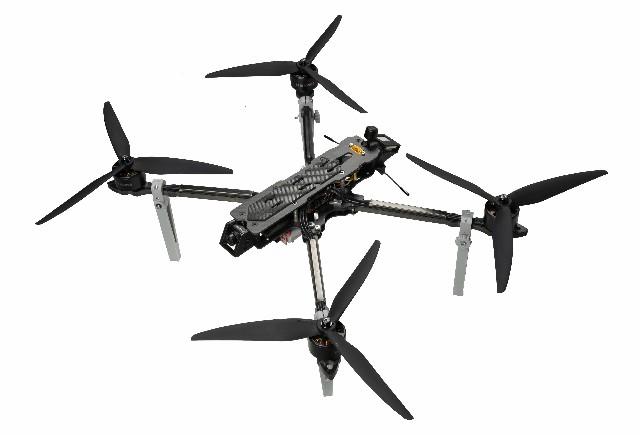
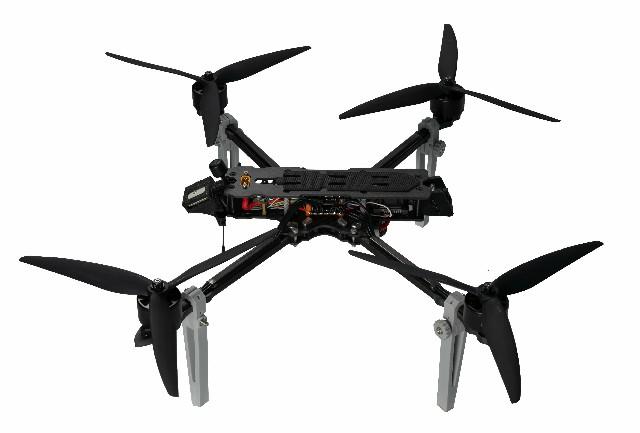
Unlike locked-down consumer drones, FPV platforms are often modular and open-source. Users can upgrade motors, swap out flight controllers, or reprogram settings—perfect for hobbyists and engineers alike.
Learning FPV flying improves reflexes and spatial awareness. It also connects you with a passionate global community of flyers, racers, and builders who constantly share knowledge and build together.
Due to their speed and agility, FPV drones require more skill and often need to comply with local regulations, including Remote ID. Beginners should always practice in simulators before going live.
FPV drones are no longer niche. They're redefining what’s possible in aerial video, competitive flying, and real-time control. If you're ready for a more immersive experience, FPV is the way forward.

 Tel: +86-13959965075
 Email: info@fpvdroneskit.com
 MP/WhatsApp: +86-13959965075
 Manufacturer Address:Quanzhou Valley Nanan Science and Technology Innovation Center, No. 89 Shijing Avenue, Shijing Town, Nanan City, Fujian Province