Author:Military Drone Manufacturer TIME:2026-09-06
Choosing between analog and digital FPV systems is one of the first major decisions in your drone journey. Each has unique strengths and weaknesses depending on your budget, goals, and flying style.
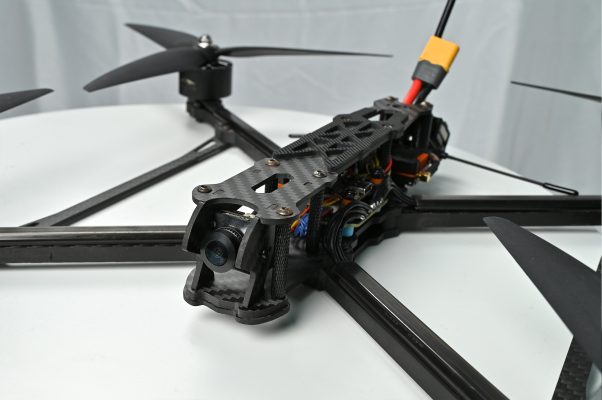
Analog FPV: Uses traditional video transmission (usually 5.8GHz). Lower resolution, but minimal latency.
Digital FPV: Uses modern digital systems (like DJI or Walksnail). Clearer image, slightly higher latency, more expensive.
Pros:
Very low latency
Cheaper cameras and VTX
Compatible with budget goggles
Cons:
Lower image quality
Susceptible to interference
Signal degrades with distance
Pros:
Crystal-clear HD video
On-screen info (OSD), recording features
Excellent for filming and cinematic flights
Cons:
More expensive overall
Slightly more latency (10–30ms)
Limited to compatible gear (DJI or HDZero ecosystem)
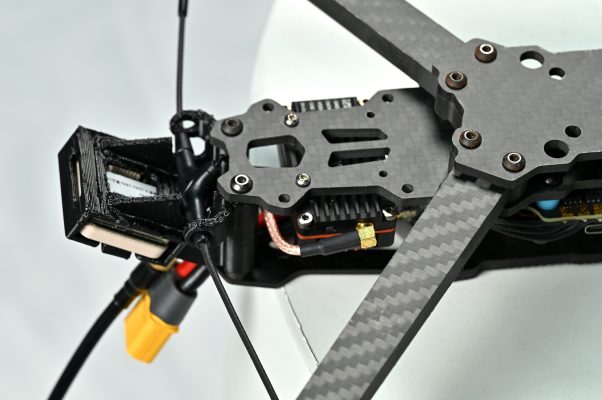
Analog: Freestyle flying, racing, crashing often, flying in groups
Digital: Cinematic content creation, professional work, solo flights
DJI O3 Air Unit – Most popular HD system with solid range and image
Walksnail Avatar – Lightweight and good for smaller builds
HDZero – Low latency digital system, best for racing
If you value image clarity and plan to create content, go digital. If budget and low-latency performance are your priorities, analog still holds its ground. Many pilots eventually try both and choose based on the mission.

 Tel: +86-13959965075
 Email: info@fpvdroneskit.com
 MP/WhatsApp: +86-13959965075
 Manufacturer Address:Quanzhou Valley Nanan Science and Technology Innovation Center, No. 89 Shijing Avenue, Shijing Town, Nanan City, Fujian Province