Author:Military Drone Manufacturer TIME:2026-09-06
Introduction
Night flying with FPV drones opens up a world of unique visuals and thrilling experiences. From glowing cityscapes to light trails in the sky, flying at night can be both rewarding and risky. Whether you're looking to film cinematic night scenes or just enjoy some quiet night-time freestyle, preparation is everything.
In this guide, we’ll cover essential safety checks, gear setup, lighting options, and flying tips to help you fly confidently in the dark.
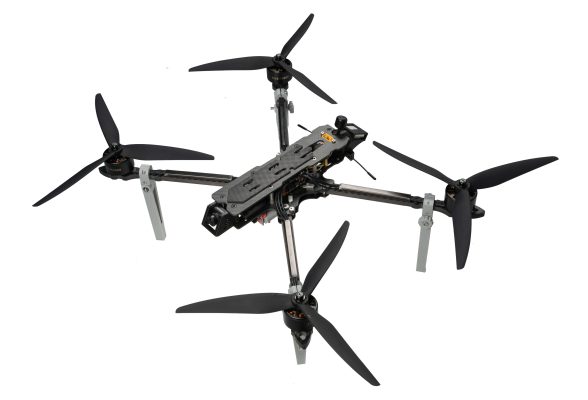
Less wind, fewer people, and quieter skies
Stunning visual effects: light trails, neon reflections, long exposures
Ideal for cinematic filming, light-painting shots, or exploring lit-up buildings
But night flying also means: limited visibility, orientation difficulty, and increased risk. That’s why smart planning is critical.
Before flying at night, always confirm:
✅ Battery is fully charged and high-quality
✅ GPS (if equipped) locks before dark takeoff
✅ All antennas, VTX, and camera cables are secure
✅ Failsafe is properly set (return to home or disarm)
✅ Local airspace allows night flying (check legal regulations)
Also bring a flashlight or headlamp, and fly with a spotter if possible.
? Recommended hardware:
Low-light FPV camera (e.g., Foxeer Cat, RunCam Night Eagle)
Strong VTX (800mW+) for clean signal in dark areas
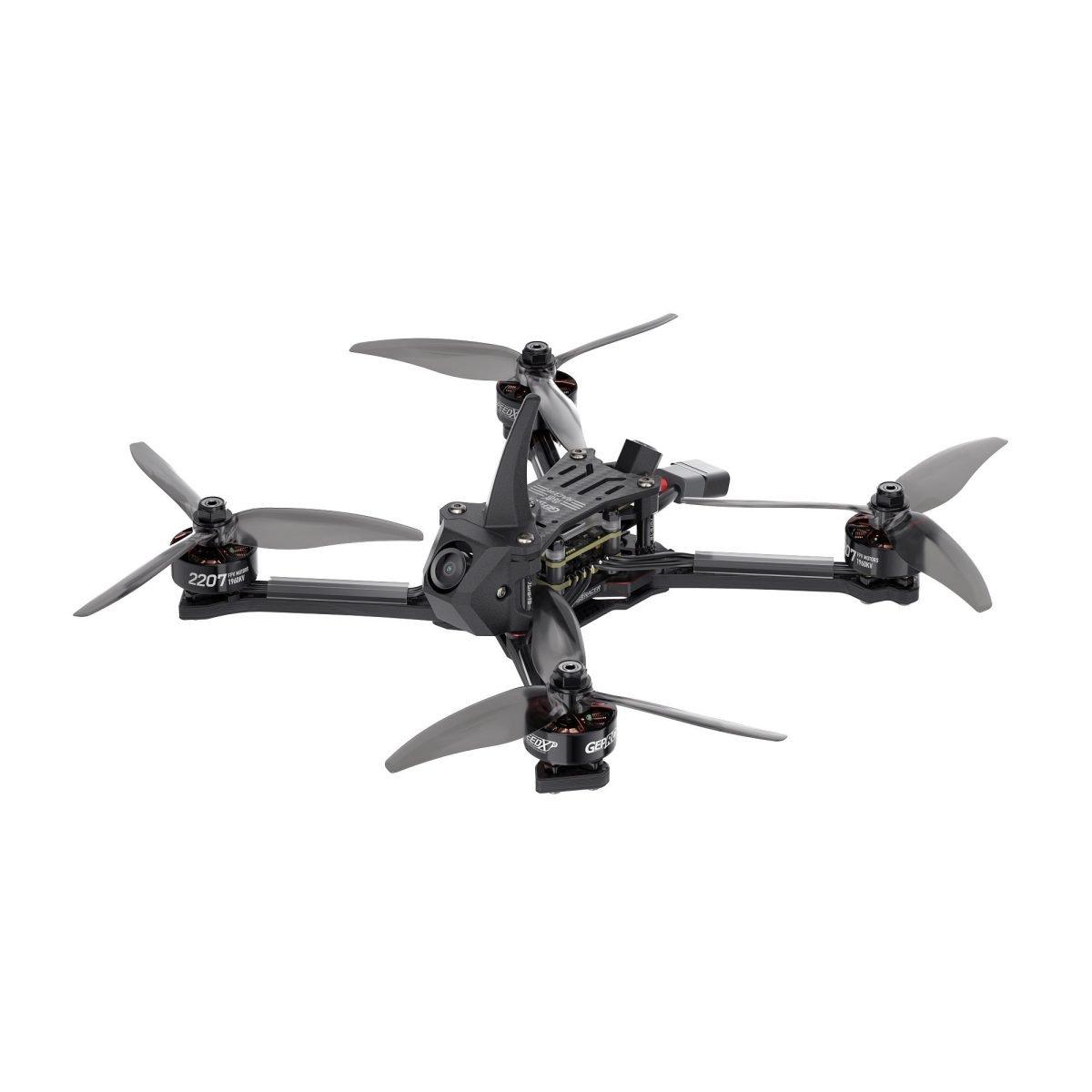
LED strips or navigation lights on arms or frame
ND filter OFF – you need all the light you can get
Wide dynamic range settings in camera or Betaflight OSD
Optional: Add beeper or buzzer in case of crash recovery in dark terrain.
Fly slow and controlled – less visibility means tighter reaction time
Stay within line of sight and visual range of LED lights
Don’t fly behind hills, trees, or tall buildings — easy to lose signal
Practice smooth turns and orbit shots for cinematic effect
Record in 4K 30fps + high ISO and use post-processing to clean up noise
Bonus tip: Practice your flight route in daylight first, then repeat at night.
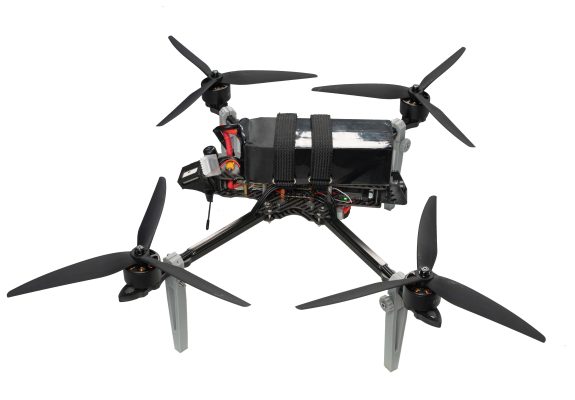
Night footage needs editing love. Use:
DaVinci Resolve / Premiere Pro: Reduce noise, increase contrast
Add LUTs for color grading
Use long exposure effects to highlight motion trails
Combine FPV clips with ground shots for storytelling
Conclusion
Flying FPV at night is a next-level experience — beautiful, risky, and rewarding. With the right setup and mindset, you can capture breathtaking footage while keeping safety your top priority. Respect the rules, light up your quad, and let the night sky be your playground.


 Tel: +86-13959965075
 Email: info@fpvdroneskit.com
 MP/WhatsApp: +86-13959965075
 Manufacturer Address:Quanzhou Valley Nanan Science and Technology Innovation Center, No. 89 Shijing Avenue, Shijing Town, Nanan City, Fujian Province