Author:Military Drone Manufacturer TIME:2026-09-06
First-Person View (FPV) drones have moved rapidly from recreational platforms into serious defense and security applications. Their defining feature—real-time video transmission that places the operator directly in the aircraft’s perspective—has proven highly effective in modern, fast-changing battlefield environments. As military operations increasingly emphasize speed, adaptability, and decentralized decision-making, FPV drones have become an important component of contemporary unmanned systems.
What Is an FPV Drone?
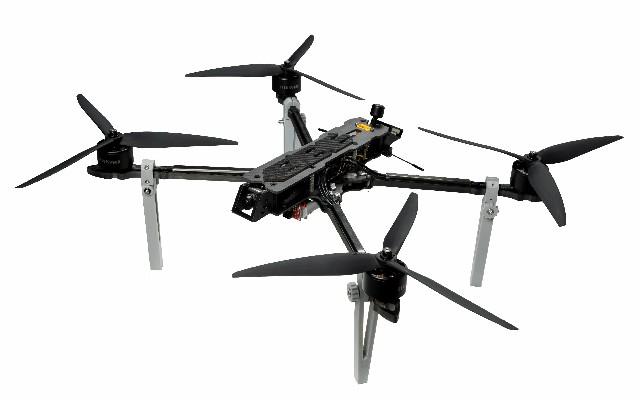
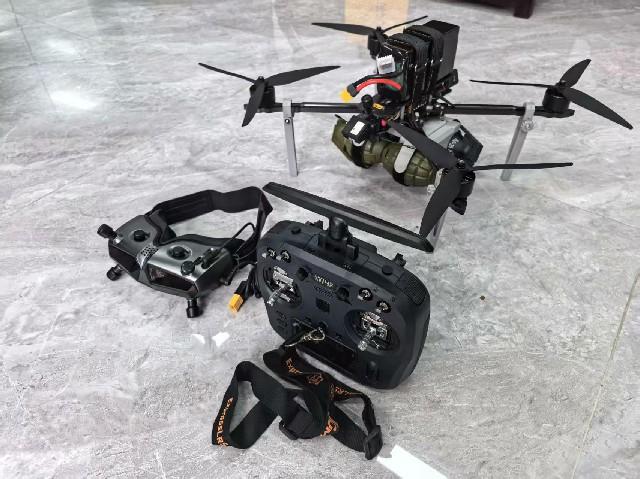
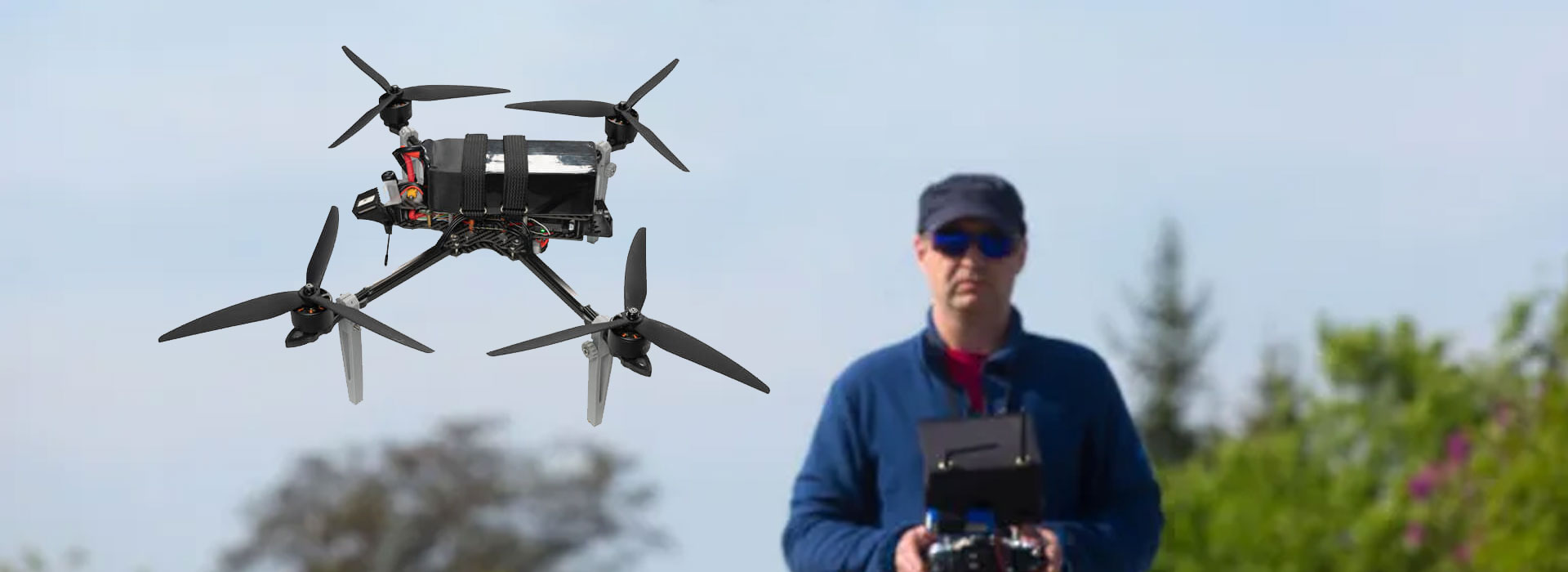
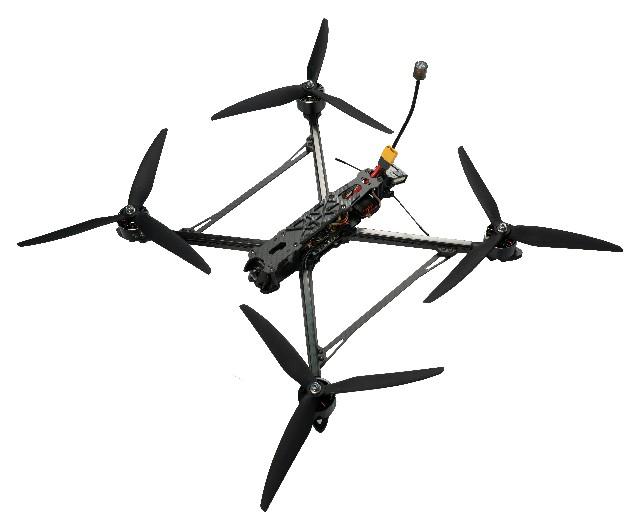
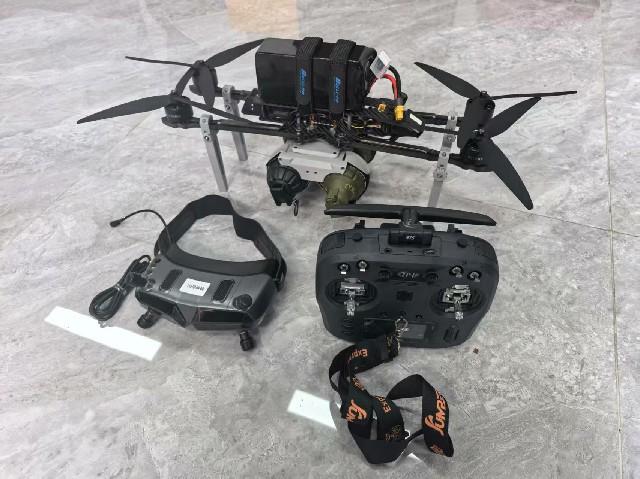
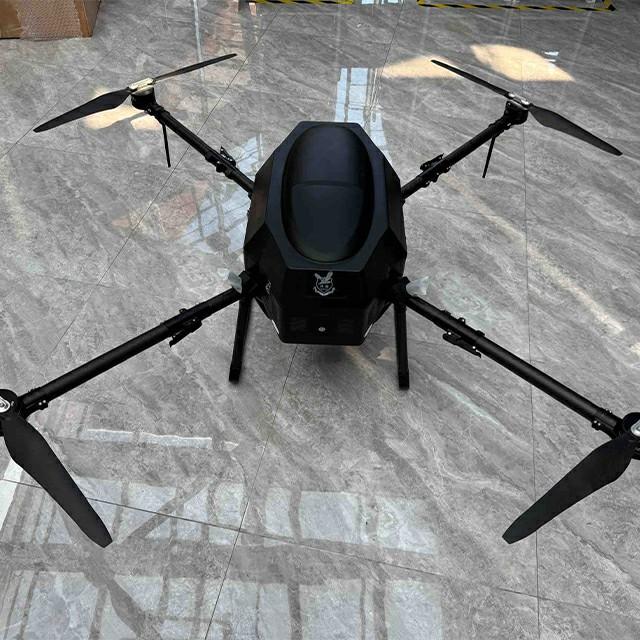
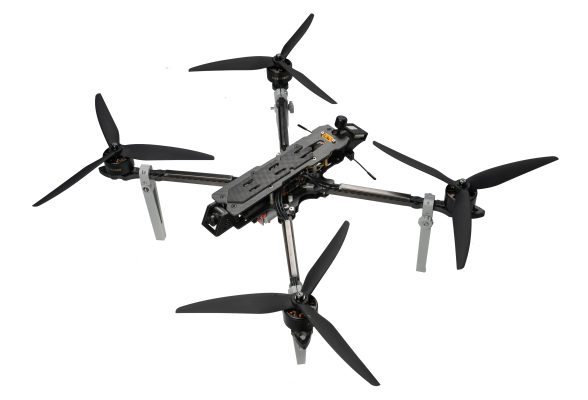
An FPV drone is an unmanned aerial vehicle equipped with a forward-facing camera that transmits live video to the operator over a low-latency communication link. The operator controls the aircraft using this real-time visual feed, typically viewed through FPV goggles or a dedicated ground station.
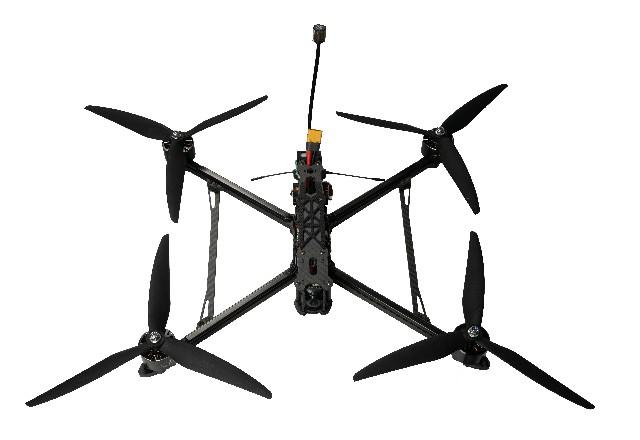
Core system elements include:
• Lightweight and maneuverable airframe
• Camera and video transmission system
• Flight controller and propulsion components
• Radio control and ground receiving equipment
Unlike many traditional UAVs, FPV drones are designed for manual precision rather than autonomous endurance.
Key Differences from Traditional UAVs
Traditional military UAVs focus on long flight times, high-altitude operation, and wide-area surveillance. FPV drones operate at a different tactical level.
Key differences include:
• Human-in-the-loop control instead of waypoint-based automation
• Low-altitude and close-range operation
• Lower system cost and faster deployment
• Higher agility in complex terrain
Why FPV Drones Matter in Modern Defense
Modern battlefields are increasingly dynamic and electronically contested. FPV drones offer several advantages that align with these conditions.
First, their reliance on direct radio links and manual control can reduce dependence on satellite navigation systems. Second, their small size and speed make them difficult to detect and track. Finally, their relatively low cost enables broader deployment, increasing operational flexibility at the tactical level.
Defense Use Cases
FPV drones are well suited to missions that require rapid response and precise maneuvering.
Common applications include:
• Close-range reconnaissance in urban or confined environments
• Target confirmation prior to engagement
• Situational awareness during fast-moving operations
• Post-action observation and assessment
Their ability to operate close to terrain and structures provides commanders with immediate, actionable visual intelligence.
Implications for UAV Manufacturers
For FPV and UAV manufacturers, defense requirements introduce new design priorities. These include communication reliability, resistance to electronic interference, modular payload integration, and ease of maintenance in field conditions. Systems must be optimized not only for performance, but also for operational resilience.
Conclusion
FPV drones have established themselves as a valuable tactical tool in modern defense environments. By combining real-time human control with agile unmanned platforms, they fill an important capability gap between traditional UAVs and ground forces. As defense strategies continue to evolve, FPV drones are likely to remain a key element of future unmanned system architectures.

 Tel: +86-13959965075
 Email: info@fpvdroneskit.com
 MP/WhatsApp: +86-13959965075
 Manufacturer Address:Quanzhou Valley Nanan Science and Technology Innovation Center, No. 89 Shijing Avenue, Shijing Town, Nanan City, Fujian Province