Author:Military Drone Manufacturer TIME:2026-09-06
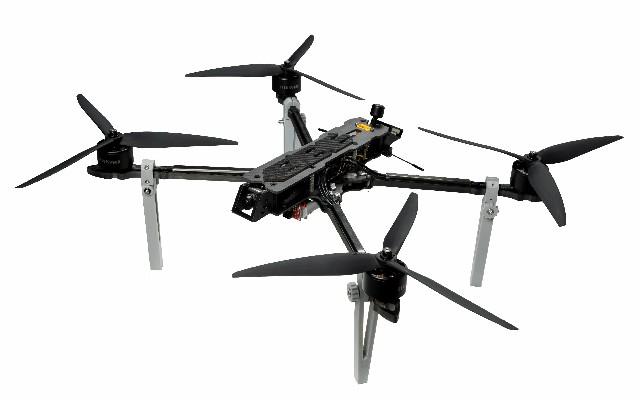
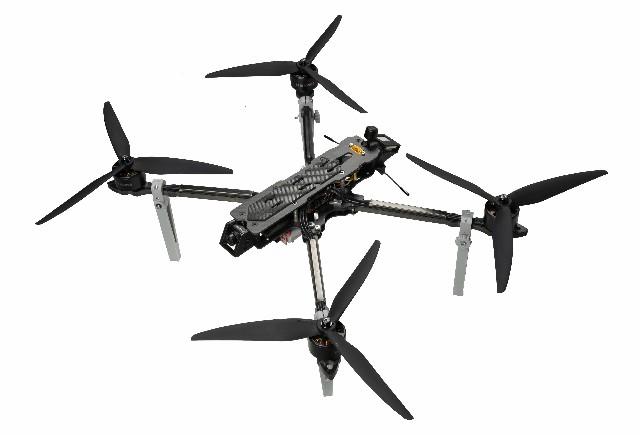
The rise of FPV drones in military operations reflects a broader shift toward speed, decentralization, and tactical autonomy. Rather than relying solely on large, centralized unmanned systems, modern forces are increasingly adopting smaller platforms that deliver immediate situational awareness and rapid response. FPV drones exemplify this shift, offering a unique balance of control, precision, and adaptability.
Human-Centered Control in Tactical Operations
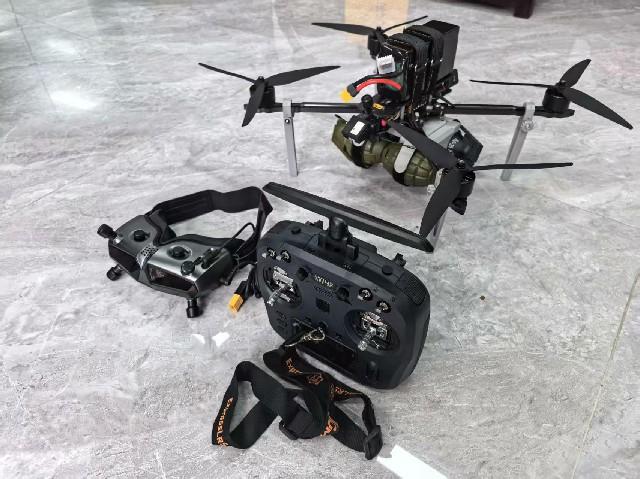
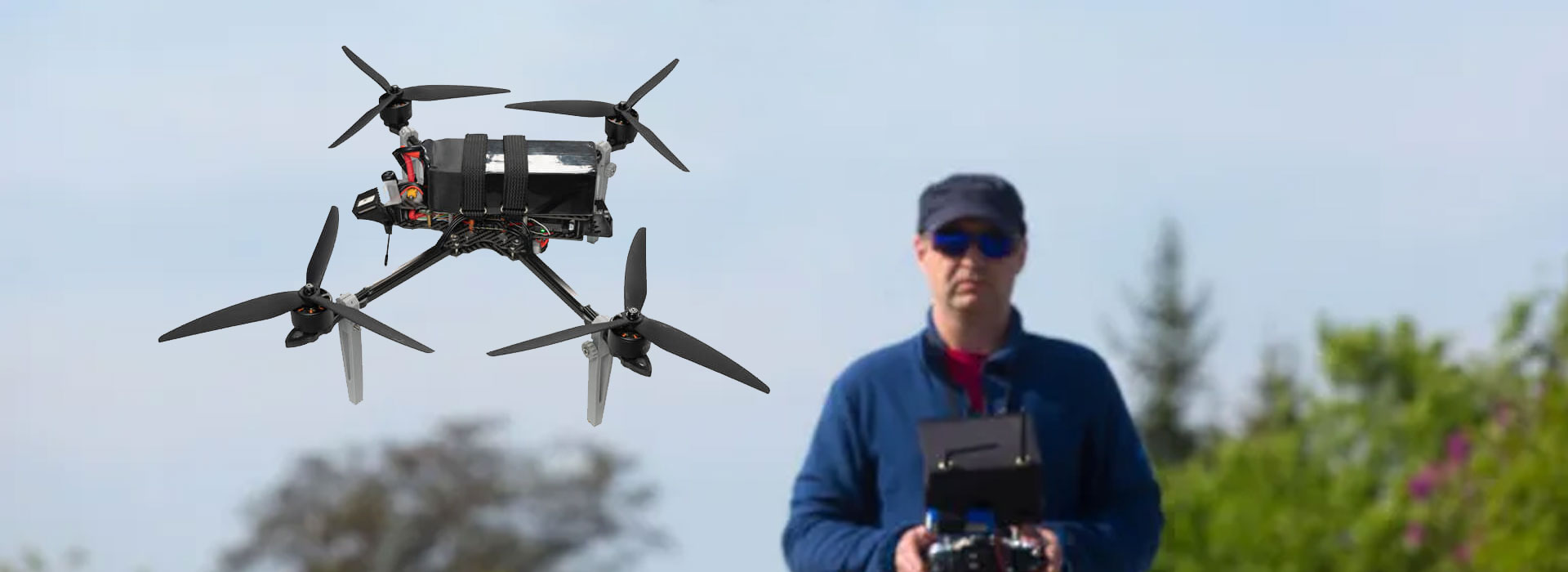
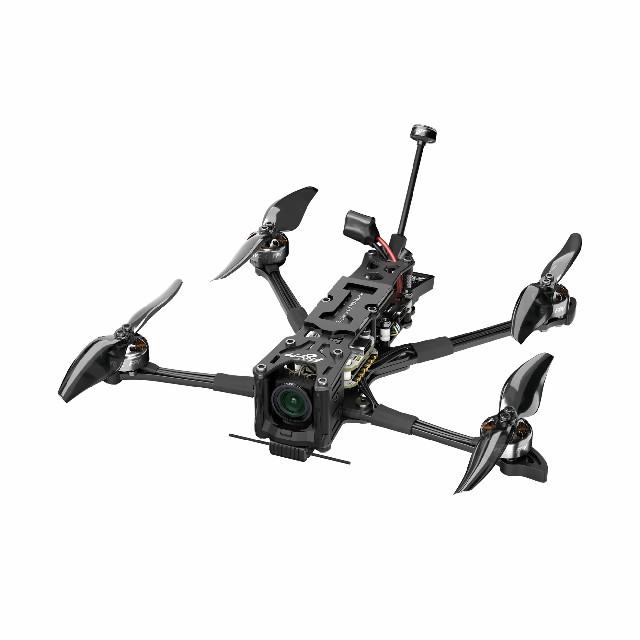
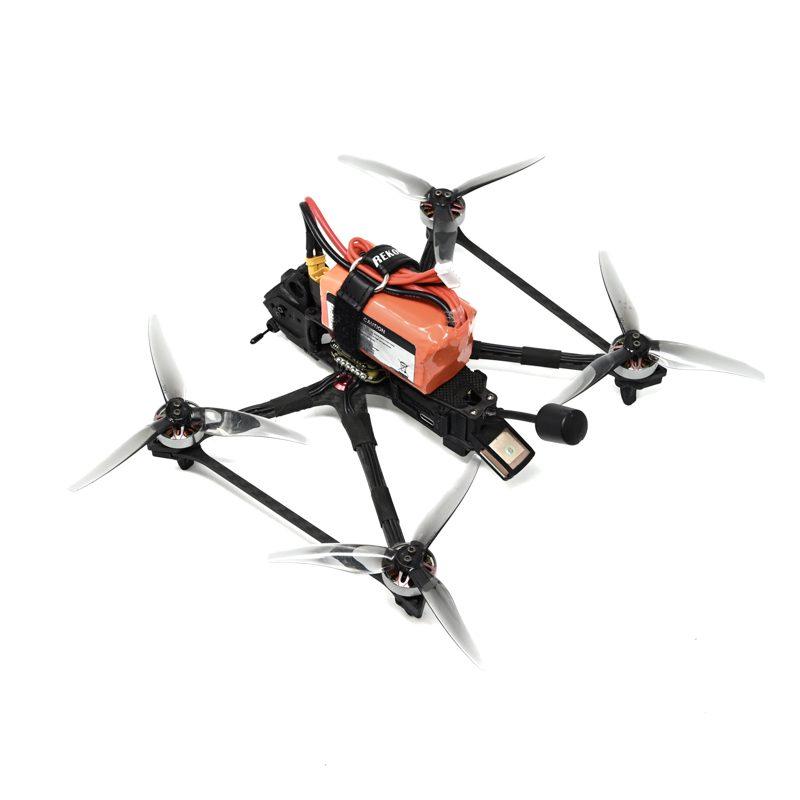
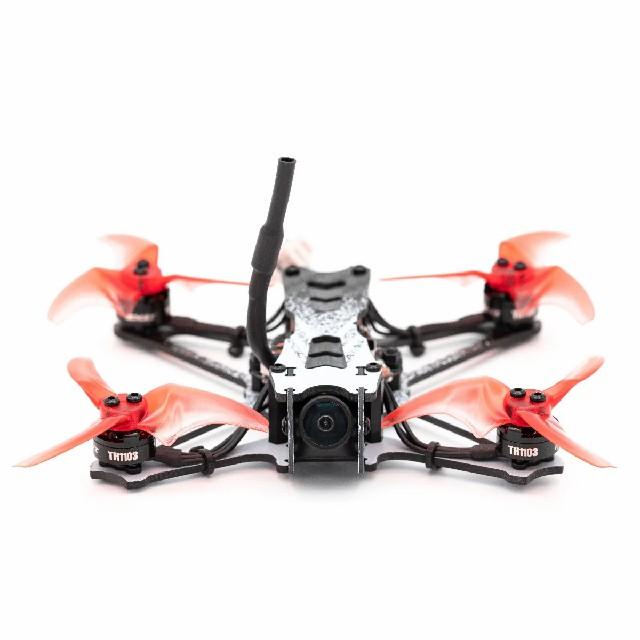
FPV drones are distinguished by their first-person control model. Operators navigate using a live video feed, allowing instant reaction to changing conditions. This approach enables precise maneuvering in confined spaces, real-time decision-making, and greater adaptability than fully autonomous systems.
Tactical Flexibility on the Battlefield
FPV drones are designed for short-duration, high-impact missions. Their small size allows them to operate below traditional airspace layers and close to the operational environment.
This flexibility enables rapid launch with minimal setup, operation from decentralized units, and integration into small-team tactics. These characteristics align with modern military doctrines that prioritize mobility and initiative at the tactical level.
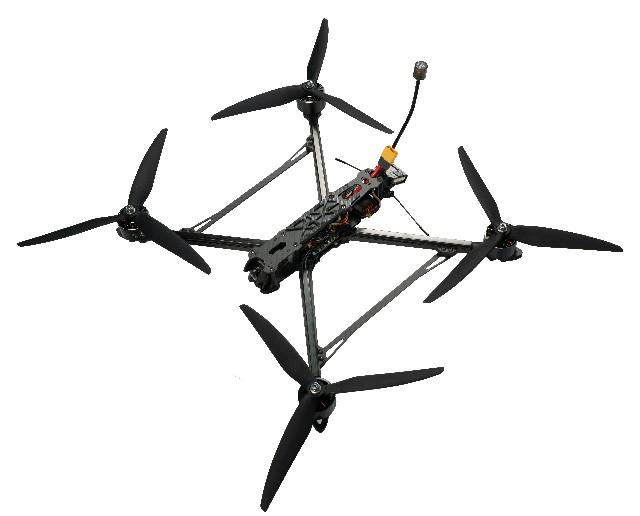
Cost and Scalability Advantages
Compared to larger UAV systems, FPV drones are significantly more affordable to manufacture and deploy. This lower cost enables higher unit availability, faster replacement cycles, and continuous platform iteration.
Survivability and Resilience
FPV drones present a smaller visual and electronic signature than traditional UAVs. When combined with agile flight profiles, this improves survivability in contested environments. Simplified system architectures also reduce failure points and allow for rapid field repair.
Manufacturing Considerations for Defense Applications
For manufacturers, military-grade FPV drones must meet stricter requirements than commercial models. Secure communication links, electromagnetic interference tolerance, modular system design, and consistent performance under harsh conditions are essential for defense adoption.
Conclusion
FPV drones are gaining strategic importance not because they replace traditional UAVs, but because they complement them. Their speed, precision, and human-centered control model make them ideally suited to modern military operations that demand adaptability and real-time awareness.

 Tel: +86-13959965075
 Email: info@fpvdroneskit.com
 MP/WhatsApp: +86-13959965075
 Manufacturer Address:Quanzhou Valley Nanan Science and Technology Innovation Center, No. 89 Shijing Avenue, Shijing Town, Nanan City, Fujian Province