Author:Military Drone Manufacturer TIME:2026-09-06
Introduction
Modern military operations require rapid decisions made under uncertain and dynamic conditions. FPV drones contribute to this environment by delivering immediate visual information directly to operators and commanders. Their role extends beyond reconnaissance, supporting real-time tactical decision-making at the point of action.
Real-Time Visual Intelligence
FPV drones provide continuous visual feedback from the operator’s perspective. This real-time imagery allows operators to assess terrain, movement, and potential threats without delay.
Unlike sensor data that must be processed and interpreted, FPV video offers intuitive situational understanding, which is particularly valuable in complex or unfamiliar environments.
Enhancing Small-Unit Effectiveness
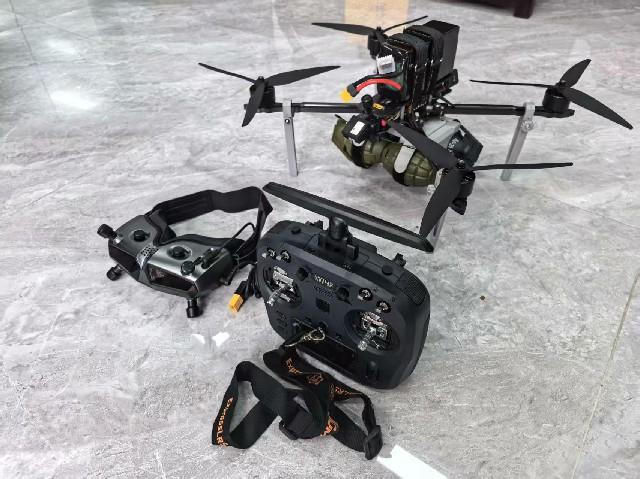
FPV drones are often employed at the small-unit level, where rapid access to information can significantly affect outcomes. Infantry units can use FPV platforms to scout ahead, monitor flanks, or inspect structures before movement.
This capability reduces uncertainty and improves coordination during operations.
Flexibility Across Mission Phases
FPV drones can support multiple phases of an operation. Before engagement, they provide reconnaissance and route assessment. During action, they maintain situational awareness. Afterward, they support damage assessment and area monitoring.
This multi-phase utility increases their overall operational value.
Human Control and Adaptability
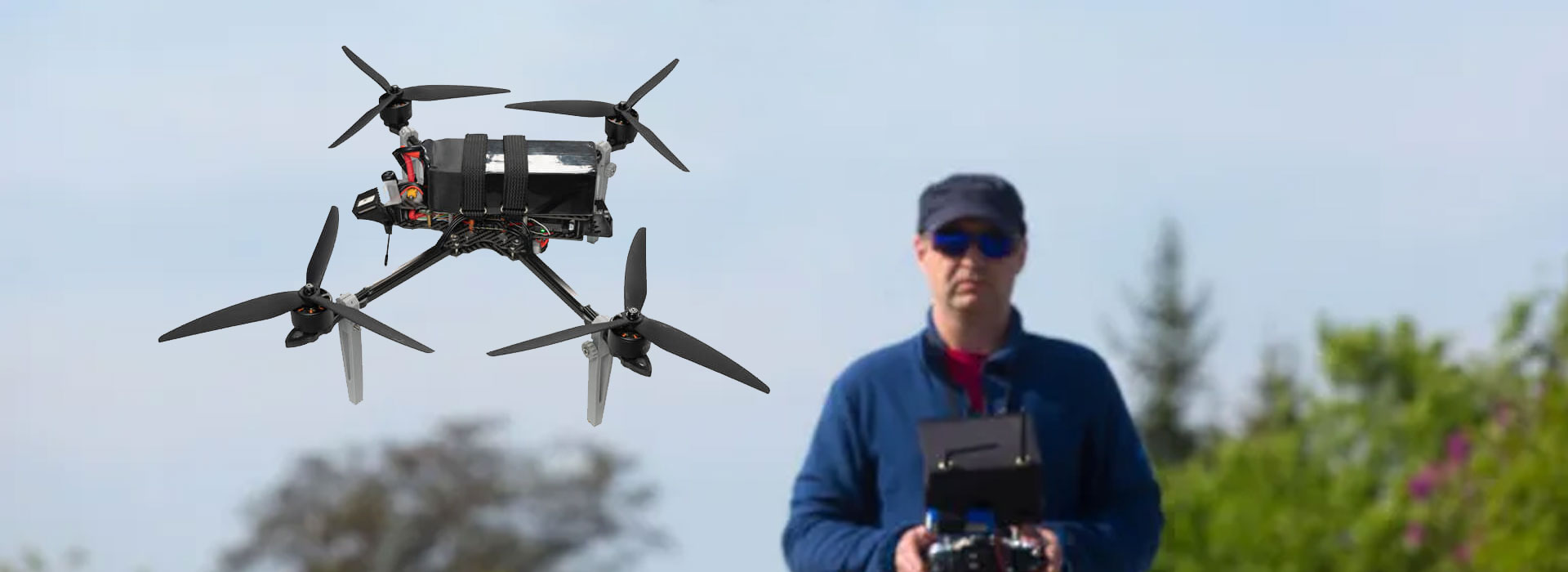
Because FPV drones are manually piloted, operators can adjust flight paths instantly in response to unexpected developments. This adaptability is difficult to replicate with autonomous systems in rapidly changing environments.
Human judgment remains a critical element of effective FPV drone employment.
Operational Limitations and Considerations
Despite their advantages, FPV drones also face limitations, including limited endurance and dependence on communication links. Effective integration requires training, planning, and realistic assessment of operational constraints.
Manufacturers play a role in addressing these limitations through system design and reliability improvements.
Conclusion
FPV drones enhance tactical decision-making by delivering immediate, intuitive situational awareness to military operators. Their ability to support real-time judgment and adaptability makes them a valuable complement to other unmanned systems. As military operations become increasingly time-sensitive, FPV drones will continue to support informed and agile decision-making on the battlefield.

 Tel: +86-13959965075
 Email: info@fpvdroneskit.com
 MP/WhatsApp: +86-13959965075
 Manufacturer Address:Quanzhou Valley Nanan Science and Technology Innovation Center, No. 89 Shijing Avenue, Shijing Town, Nanan City, Fujian Province