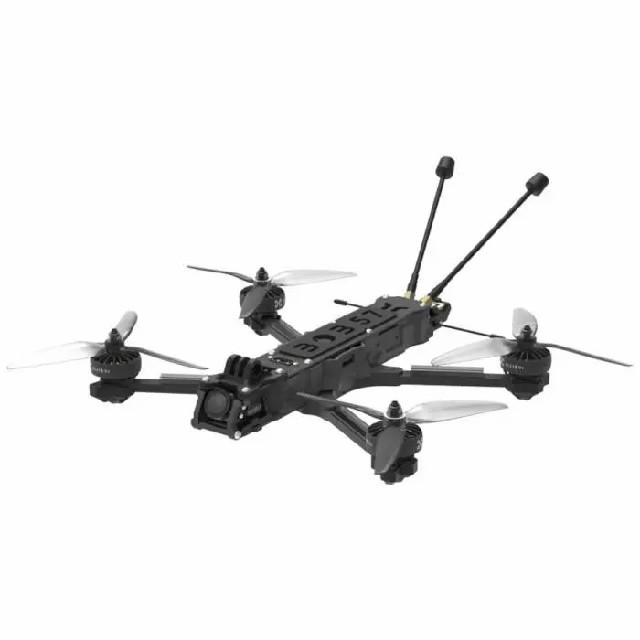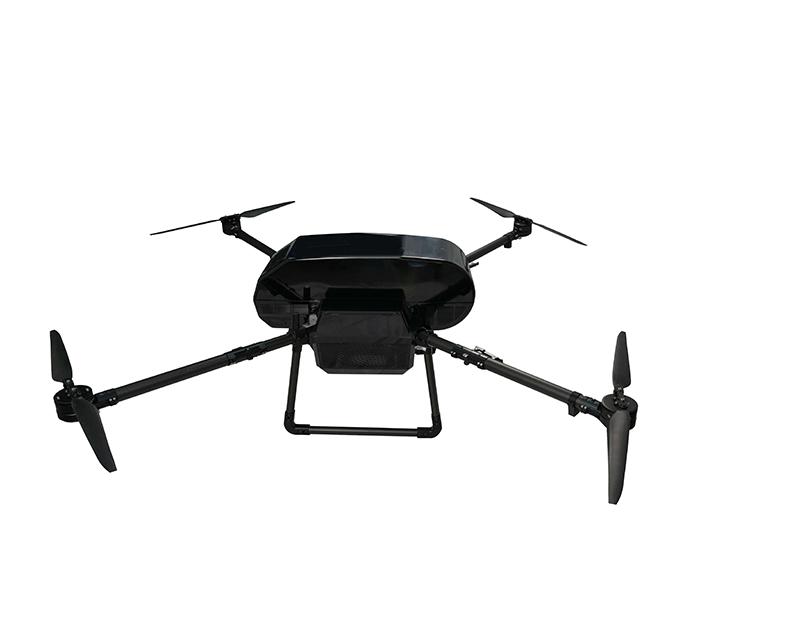

Mounting identity
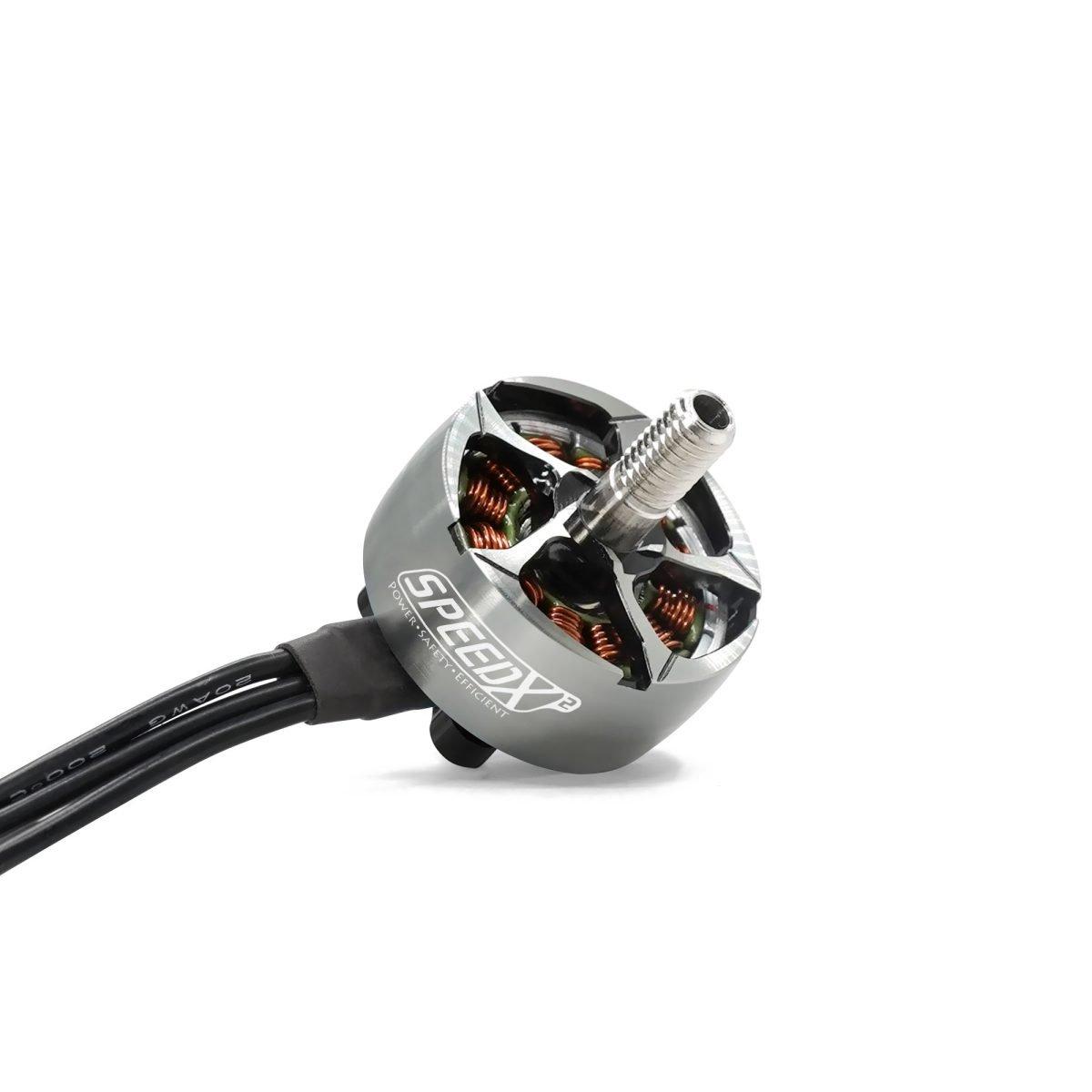
Capture readable labels and the surrounding frame context. Match them to a dated bill of materials and drawing. Similar motor housings or arm shapes are not enough to establish the selected revision.
Author:Military Drone Manufacturer TIME:2026-09-01
Motor installation footage
The frozen source provides the article title, a single-sentence summary, one article image path, and a unique retained video URL. It does not provide the motor model, frame or arm revision, mounting pattern, fastener specification, clearance drawing, torque record, thread-retention instruction, cable route, inspection result, or timecoded source notes. The final author must independently view the exact clip before describing a visible action.
Capture readable labels and the surrounding frame context. Match them to a dated bill of materials and drawing. Similar motor housings or arm shapes are not enough to establish the selected revision.
At an approved timecode, record the visible relationship between the motor, arm, fastener locations, cable exit, and nearby structure. Do not infer hidden contact, fastener length, internal clearance, or final alignment.
Separate a visible handling action from an accepted installation. Security, alignment, electrical condition, and readiness require their own criteria, tools or records, and accountable reviewer.
| Review zone | Timecoded observation | Document needed | Do not conclude |
|---|---|---|---|
| Motor label | Unset until verified playback | Motor identity and revision | Power, suitability, or authenticity |
| Arm interface | Visible position and accessible features only | Mounting and clearance drawing | Correct fastener or hidden clearance |
| Cable exit | Visible route at the captured angle | Routing, insulation and strain-relief criteria | Safe electrical installation |
| Final state | What is visibly different at scene end | Signed mechanical and electrical inspection | Secure mounting or flight readiness |
After the footage review, pair each retained frame with the motor and frame identities, the approved drawing, the visible relationship, and a statement of what stays hidden. If a tool appears, do not infer its setting or that a fastening action reached a specified result. If a hand blocks the interface, record the obstruction rather than describing unseen placement.
The acceptance file should separate mechanical retention, clearance, cable protection, electrical connection, motor direction evidence, and final rotating-system safety. These are different review questions with different hazards and records. A single image of an installed motor cannot close all of them.
Before publication, have another reviewer confirm that every use of “aligned,” “secured,” “installed,” or “ready” is backed by the right source. Otherwise replace the word with a visible observation or an explicit evidence request.


 Tel: +86-13959965075
 Email: info@fpvdroneskit.com
 MP/WhatsApp: +86-13959965075
 Manufacturer Address:Quanzhou Valley Nanan Science and Technology Innovation Center, No. 89 Shijing Avenue, Shijing Town, Nanan City, Fujian Province