Author:Military Drone Manufacturer TIME:2026-09-06
Introduction
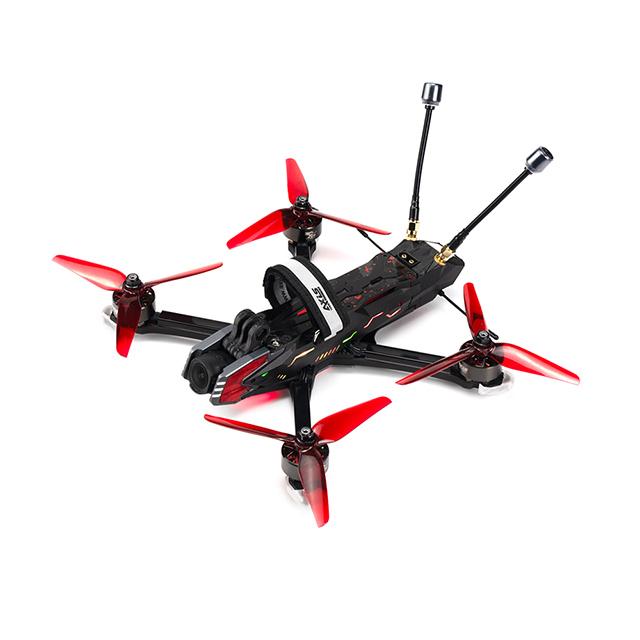
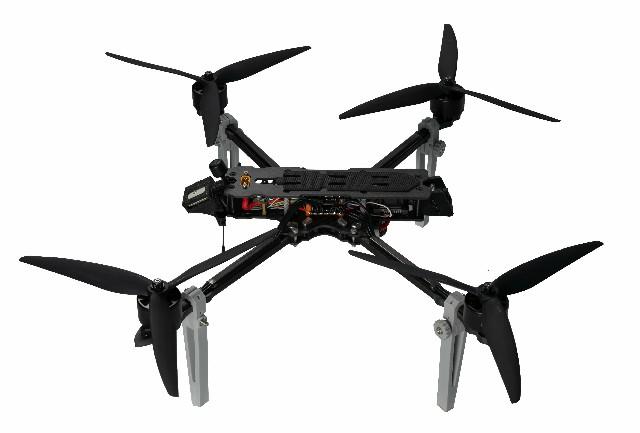
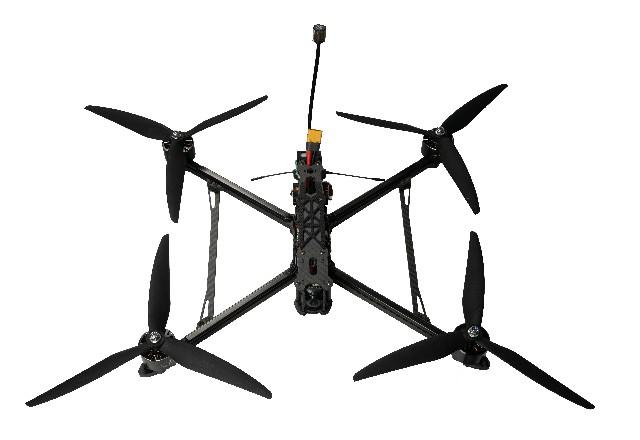
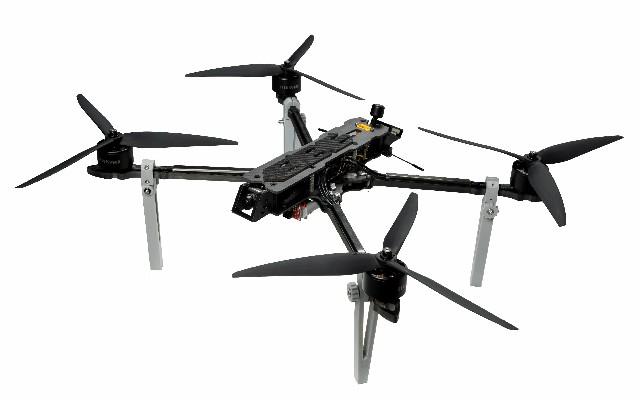
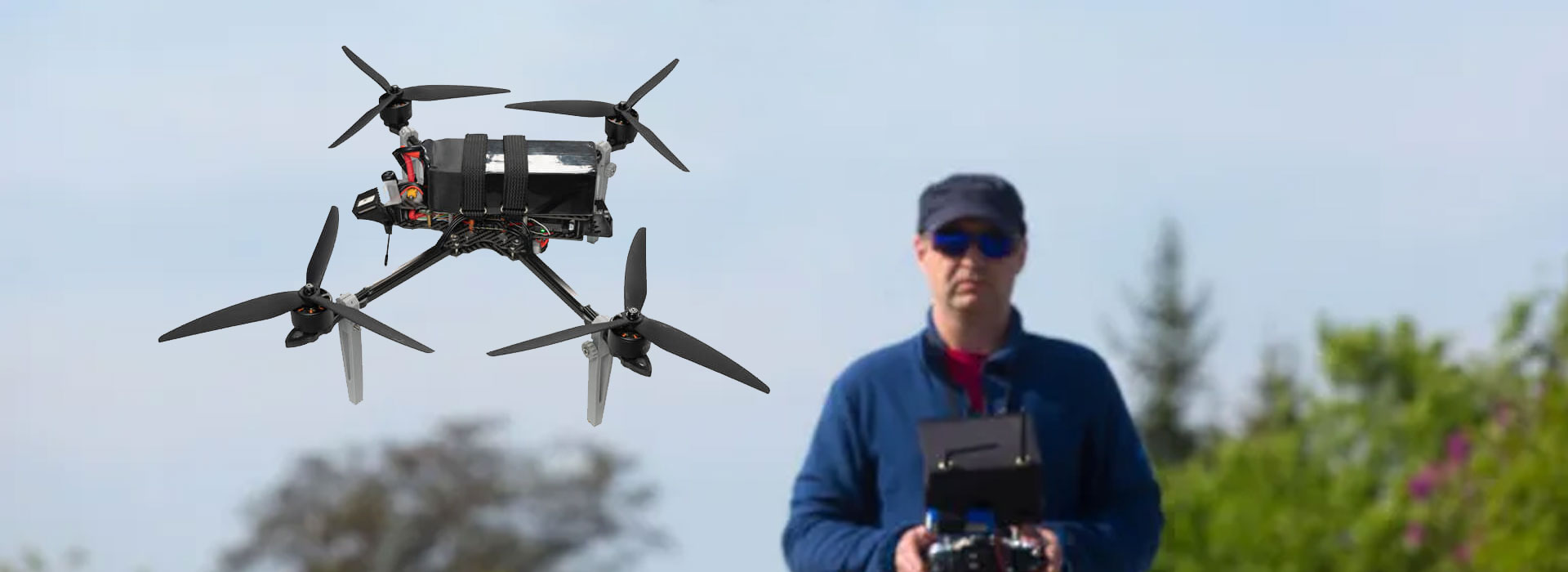
Modern warfare is increasingly defined by speed, adaptability, and information dominance. In this context, FPV drones have emerged as critical assets rather than auxiliary tools. Their ability to deliver immediate situational awareness and precision control at the tactical level has made them an essential component of contemporary military operations.
Changing Requirements of Modern Warfare
Traditional warfare emphasized centralized control and large-scale platforms. Modern conflicts, however, are characterized by fragmented battlefields, rapid maneuver, and contested electromagnetic environments.
FPV drones align with these conditions by enabling decentralized aerial capability that can be deployed quickly and adapted in real time. Their design reflects the need for flexible systems that respond to rapidly changing tactical situations.
Speed and Responsiveness as Key Advantages
FPV drones excel in scenarios where reaction time is critical. Their manual control model allows operators to respond instantly to visual cues without waiting for automated systems or command approval loops.
This responsiveness supports missions such as immediate reconnaissance, rapid target confirmation, and real-time situational monitoring, all of which are essential in high-tempo operations.
Cost-Effective Force Multiplication
One of the reasons FPV drones have become critical assets is their cost-effectiveness. Compared to traditional UAVs or manned platforms, FPV drones can be produced and deployed at a fraction of the cost.
This affordability allows military forces to field FPV drones in greater numbers, increasing coverage and resilience. Losses can be absorbed without significant impact on overall operational capability.
Operational Resilience in Contested Environments
Modern battlefields often feature electronic interference and degraded navigation signals. FPV drones, which rely primarily on direct radio links and visual navigation, can continue to operate in environments where GPS-dependent systems struggle.
Their small size and low signature also reduce detectability, enhancing survivability during operations.
Integration Across Tactical Units
FPV drones are increasingly treated as organic assets within tactical units. Operators are embedded with frontline forces, enabling direct coordination between aerial observation and ground maneuver.
This integration improves communication, reduces response times, and supports more effective execution of tactical plans.
Conclusion
FPV drones have become critical assets in modern warfare because they address the core demands of contemporary conflict. Their speed, affordability, and adaptability make them indispensable tools for modern military forces. As warfare continues to evolve, FPV drones will remain central to tactical unmanned capabilities.

 Tel: +86-13959965075
 Email: info@fpvdroneskit.com
 MP/WhatsApp: +86-13959965075
 Manufacturer Address:Quanzhou Valley Nanan Science and Technology Innovation Center, No. 89 Shijing Avenue, Shijing Town, Nanan City, Fujian Province