Author:Military Drone Manufacturer TIME:2026-09-06
Introduction
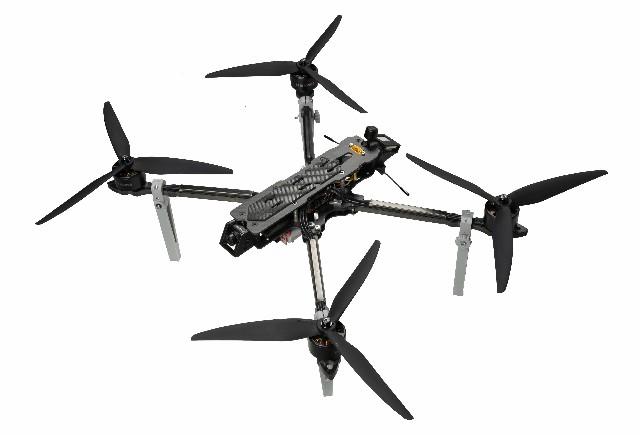
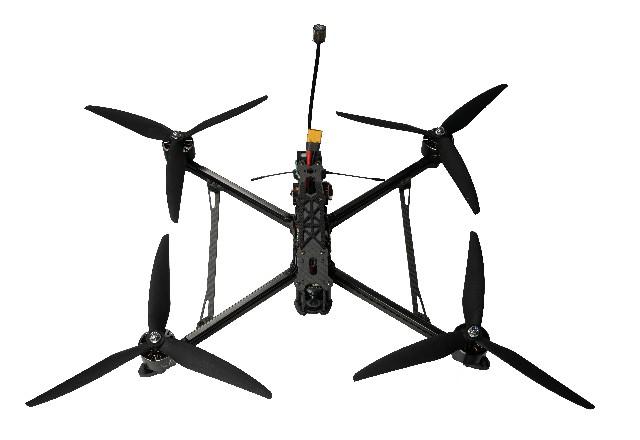
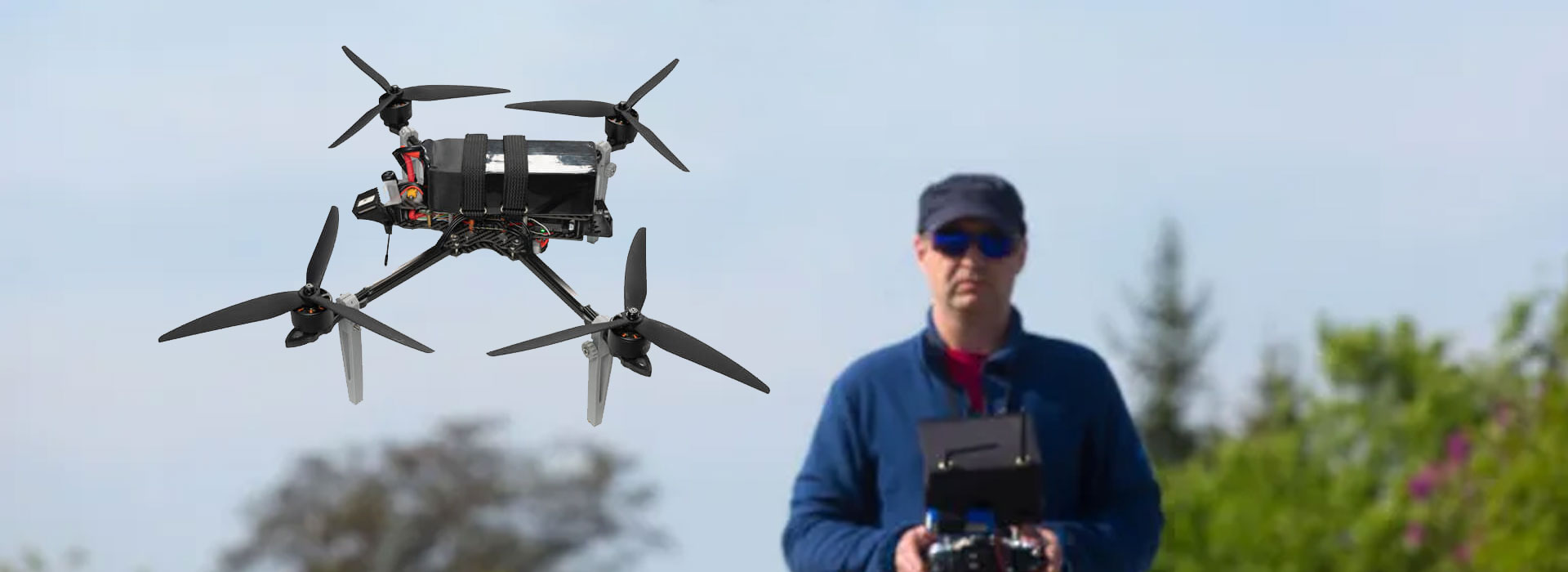
The journey of FPV drones from experimental platforms to recognized military tools illustrates how innovation often emerges from unexpected origins. What began as a civilian technology has been reshaped by operational necessity into a valuable tactical asset. Understanding this evolution helps clarify the future direction of FPV drone development in defense applications.
Civilian Roots and Early Experimentation
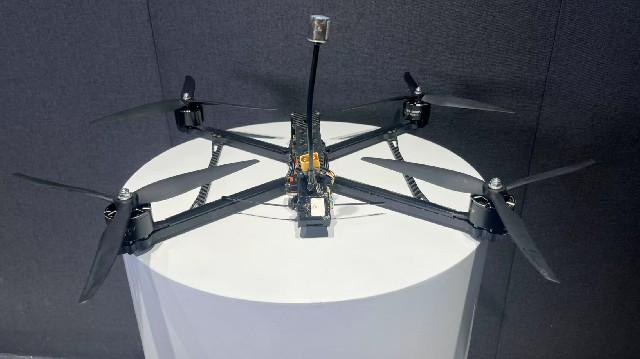
FPV drones initially evolved within civilian markets, where performance and user experience were primary drivers. Early designs focused on speed, agility, and visual immersion, with little emphasis on durability or security.
Despite these limitations, military observers recognized the potential of FPV systems for close-range observation and maneuvering in constrained environments.
Adaptation Through Conflict and Training
As FPV drones were tested in training and operational scenarios, their strengths and weaknesses became clear. Military users identified areas requiring improvement, including communication reliability, component durability, and ease of repair.
This hands-on experimentation accelerated adaptation, turning FPV drones into more practical tools for defense use.
Integration of Military-Oriented Technologies
Over time, FPV platforms incorporated technologies traditionally associated with military systems. These included hardened electronics, improved electromagnetic compatibility, and standardized components.
Such integration enhanced reliability and allowed FPV drones to operate more effectively alongside other military assets.
Rapid Iteration and Development Cycles
One defining feature of FPV drone evolution is the speed of iteration. Unlike large UAV programs, FPV platforms can be updated quickly based on operational feedback.
This rapid development cycle enables continuous improvement and responsiveness to changing tactical requirements.
Future Evolution Trends
Looking ahead, FPV drones are likely to continue evolving toward greater resilience, improved communication security, and enhanced system integration. Manufacturers will play a key role in shaping this trajectory through design choices and production capabilities.
Conclusion
The evolution of military FPV drones demonstrates how adaptable technologies can transform modern defense capabilities. From experimental beginnings to established tactical tools, FPV drones continue to evolve in response to operational realities. Their development trajectory suggests an enduring role within future military technology ecosystems.

 Tel: +86-13959965075
 Email: info@fpvdroneskit.com
 MP/WhatsApp: +86-13959965075
 Manufacturer Address:Quanzhou Valley Nanan Science and Technology Innovation Center, No. 89 Shijing Avenue, Shijing Town, Nanan City, Fujian Province