Author:Military Drone Manufacturer TIME:2026-09-06
Introduction
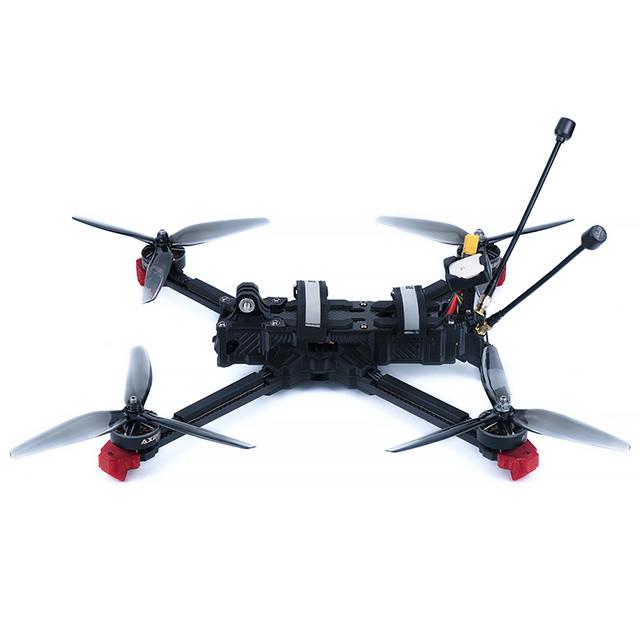
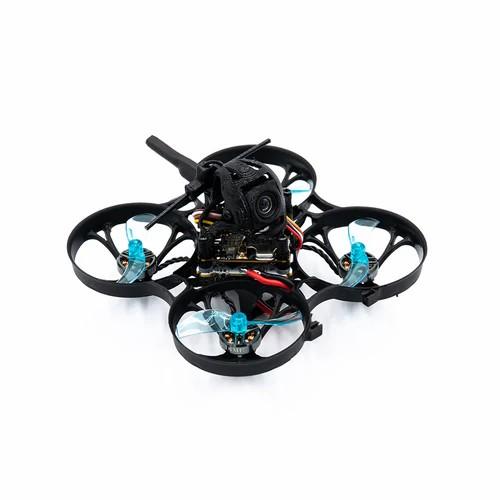
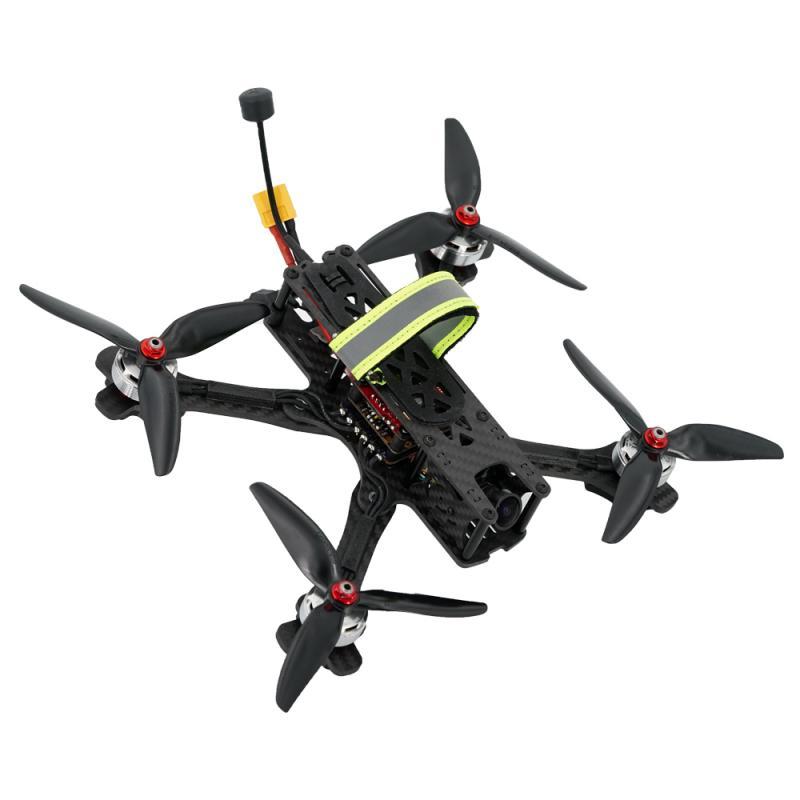
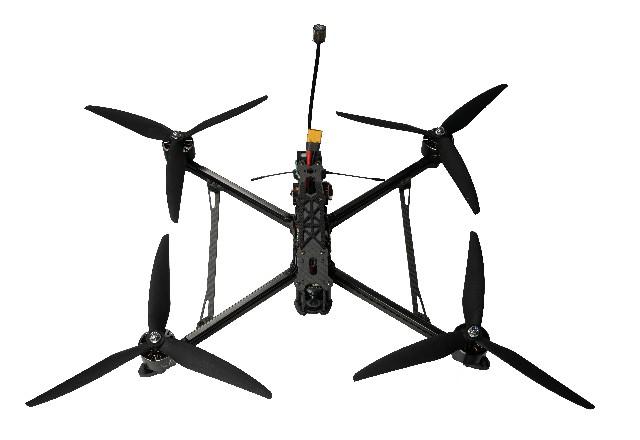
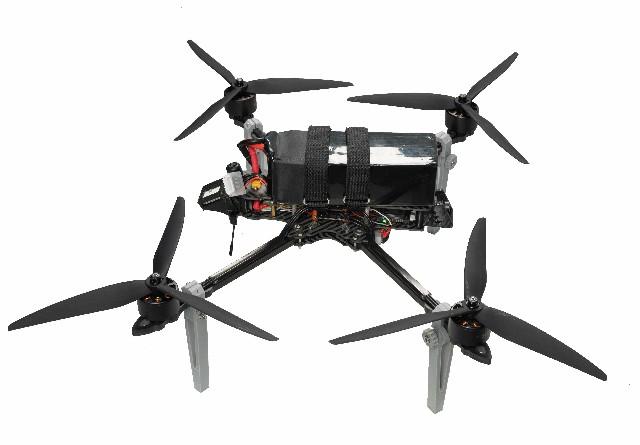
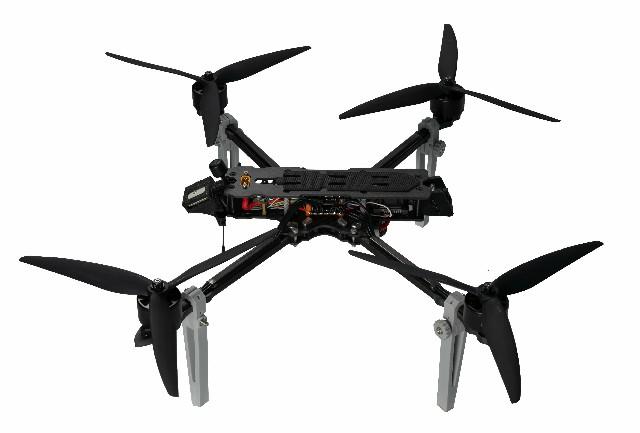
Situational awareness is a decisive factor in modern military operations. The ability to understand terrain, movement, and emerging threats in real time directly affects operational outcomes. Military FPV drones contribute to situational awareness by delivering immediate, human-controlled visual intelligence at the tactical level, complementing traditional surveillance systems.
Real-Time Visual Perspective
FPV drones provide operators with a first-person visual perspective that differs from traditional sensor feeds. The live video stream allows operators to perceive depth, motion, and spatial relationships intuitively.
This real-time perspective enables rapid interpretation of complex environments, particularly in urban or cluttered terrain where static imagery may be insufficient.
Localized Awareness at the Tactical Level
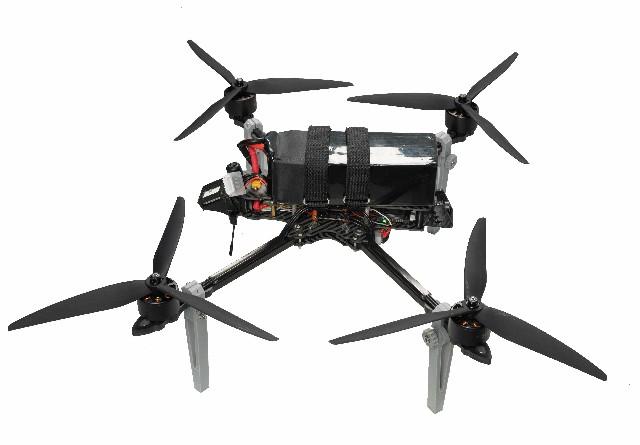
Unlike centralized intelligence platforms, FPV drones generate situational awareness directly where it is needed. Tactical units can deploy FPV drones to assess their immediate surroundings without waiting for external support.
This localized awareness supports faster decision-making and reduces information gaps during time-sensitive operations.
Improved Understanding of Terrain and Obstacles
FPV drones are especially effective at mapping terrain features, obstacles, and access routes in real time. Operators can navigate around structures, inspect confined spaces, and identify potential hazards from close range.
This capability improves movement planning and reduces uncertainty for ground forces operating in complex environments.
Supporting Dynamic Operations
During fast-moving operations, conditions can change rapidly. FPV drones allow operators to continuously monitor developments and adapt plans accordingly.
The ability to reposition the drone instantly based on visual feedback enhances responsiveness and helps maintain situational awareness throughout the mission.
Integration with Tactical Units
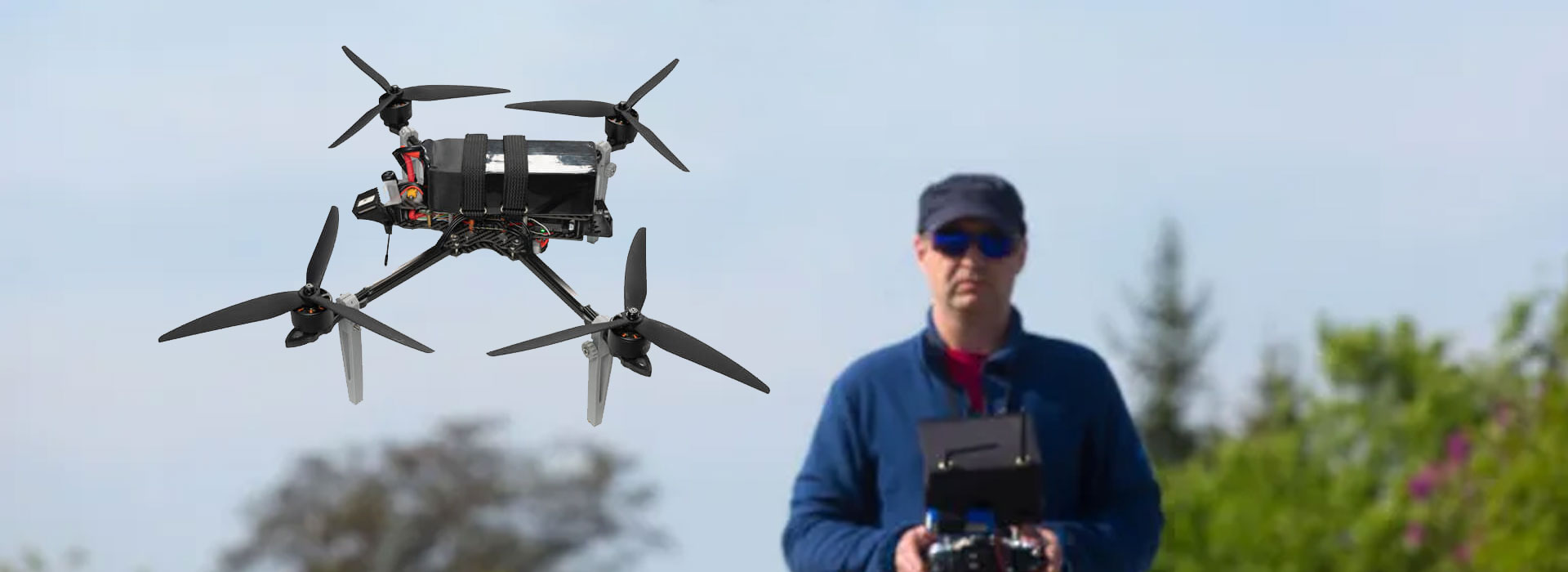
FPV drones are often operated by personnel embedded within tactical units. This proximity ensures that visual information is shared immediately and in context, improving coordination between aerial observation and ground action.
Manufacturers must consider ease of operation and system reliability to support this level of integration.
Conclusion
Military FPV drones enhance situational awareness by providing real-time, localized visual intelligence. Their human-centered control model and tactical flexibility make them valuable tools for understanding complex operational environments. As military operations become increasingly dynamic, FPV drones will continue to play a key role in maintaining situational awareness.

 Tel: +86-13959965075
 Email: info@fpvdroneskit.com
 MP/WhatsApp: +86-13959965075
 Manufacturer Address:Quanzhou Valley Nanan Science and Technology Innovation Center, No. 89 Shijing Avenue, Shijing Town, Nanan City, Fujian Province