Author:Military Drone Manufacturer TIME:2026-09-06
Introduction
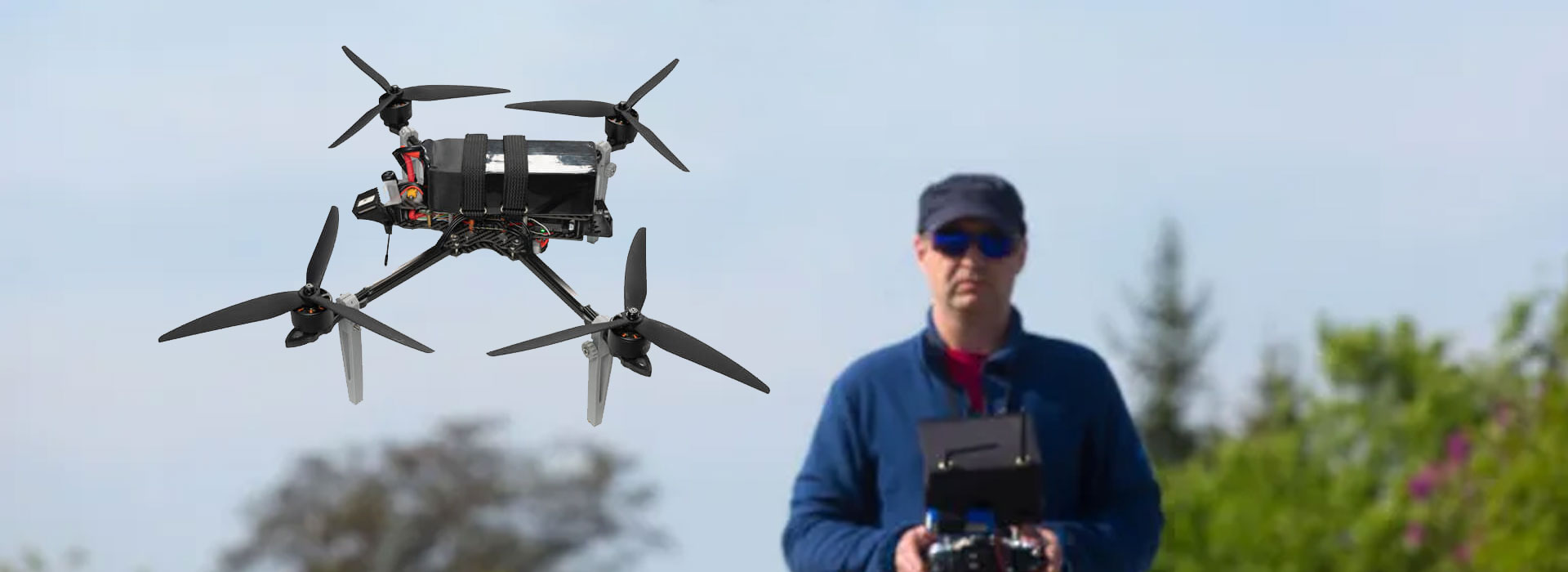
Military FPV drones are built upon a set of core technologies that distinguish them from commercial or recreational platforms. These technologies determine how effectively FPV drones perform in demanding operational environments. Understanding the technical foundations behind military FPV systems helps explain their growing role in modern defense applications.
Flight Control Systems
At the heart of any FPV drone is the flight control system. This subsystem processes sensor data and translates pilot input into stable and responsive flight behavior.
Military FPV drones require flight controllers that prioritize low latency, high stability, and predictable response under stress. Robust firmware and precise sensor fusion are essential to maintain control in dynamic conditions.
Propulsion and Motor Technology
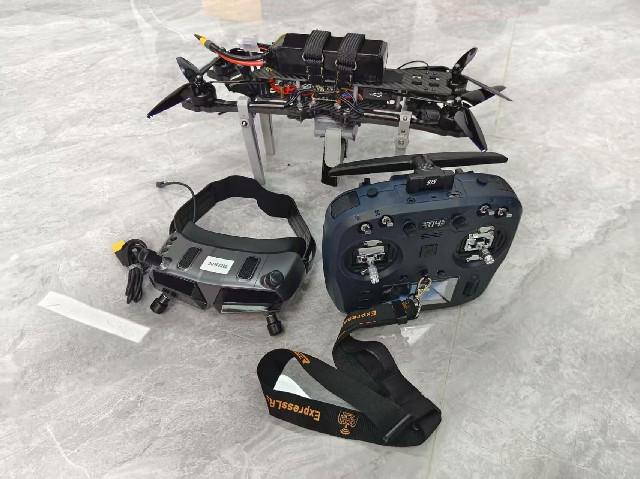
Motors and electronic speed controllers play a critical role in FPV drone performance. High-thrust motors enable rapid acceleration and maneuverability, which are essential for tactical use.
In military platforms, propulsion components must also demonstrate durability, consistent output, and resistance to environmental stress such as dust, vibration, and temperature variation.
Communication and Data Links
FPV drones rely on continuous communication between the aircraft and the operator. Control signals and video data must be transmitted with minimal delay and high reliability.
Military-grade systems often emphasize signal stability, adaptable frequency usage, and robust hardware integration to maintain communication integrity in challenging environments.
Video and Imaging Technology
The onboard camera system defines the operator’s visual awareness. High frame rates, low-latency transmission, and reliable image clarity are critical to effective FPV operation.
In defense applications, imaging systems must function consistently across varied lighting and terrain conditions.
Power Management Systems
Power systems influence both performance and reliability. Efficient power distribution ensures stable operation of motors, communication modules, and onboard electronics.
Military FPV drones require power management designs that support high peak loads while minimizing voltage instability and system failure risk.
System Integration and Reliability
Beyond individual components, system integration is a core technology in itself. Component layout, wiring, and electromagnetic compatibility all affect performance.
Well-integrated systems reduce failure points and improve overall operational reliability.
Conclusion
The core technologies behind military FPV drones form an interconnected system optimized for responsiveness, resilience, and control. These technologies enable FPV platforms to meet the demands of modern defense operations and continue evolving alongside battlefield requirements.

 Tel: +86-13959965075
 Email: info@fpvdroneskit.com
 MP/WhatsApp: +86-13959965075
 Manufacturer Address:Quanzhou Valley Nanan Science and Technology Innovation Center, No. 89 Shijing Avenue, Shijing Town, Nanan City, Fujian Province