Author:Military Drone Manufacturer TIME:2026-09-06
Introduction
Navigation and control technologies define how FPV drones move, stabilize, and respond to operator input. In military FPV systems, these technologies must function reliably under dynamic conditions and limited automation. Precise navigation and responsive control are essential for effective tactical operation.
Flight Control Architecture
The flight control system serves as the central processing unit of an FPV drone. It interprets pilot commands and sensor data to maintain stable flight.
Military FPV drones prioritize predictable response and minimal control lag, ensuring that operator input translates directly into aircraft movement.
Sensor Fusion and Stability Control
FPV drones rely on multiple sensors to maintain orientation and stability. Gyroscopes and accelerometers provide real-time motion data that enables precise stabilization.
Sensor fusion algorithms combine these inputs to support smooth and controlled flight, even during aggressive maneuvers.
Manual Control and Assisted Modes
Unlike autonomous UAVs, FPV drones emphasize manual control. However, assisted modes may be used to improve stability and reduce pilot workload.
In military applications, these modes are carefully balanced to avoid over-reliance on automation while still enhancing controllability.
Navigation Without Heavy Dependence on GPS
FPV drones typically operate without continuous GPS-based navigation. Visual orientation and inertial data guide movement rather than pre-programmed routes.
This approach increases flexibility and allows FPV drones to function in environments where GPS may be unreliable or unavailable.
Control Link Responsiveness
Control responsiveness depends on both communication systems and onboard processing. Low-latency control pathways are essential for precise maneuvering.
Military FPV drones are optimized to minimize delay between operator input and physical response.
Integration with Operator Interfaces
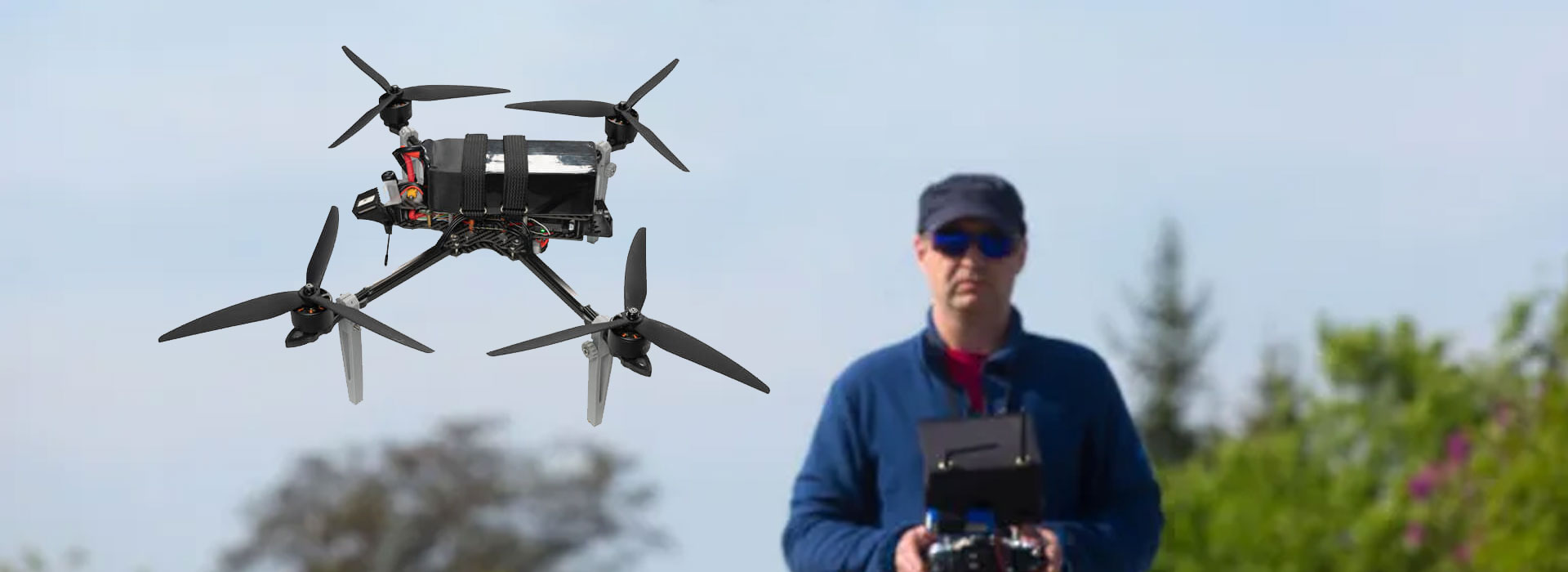
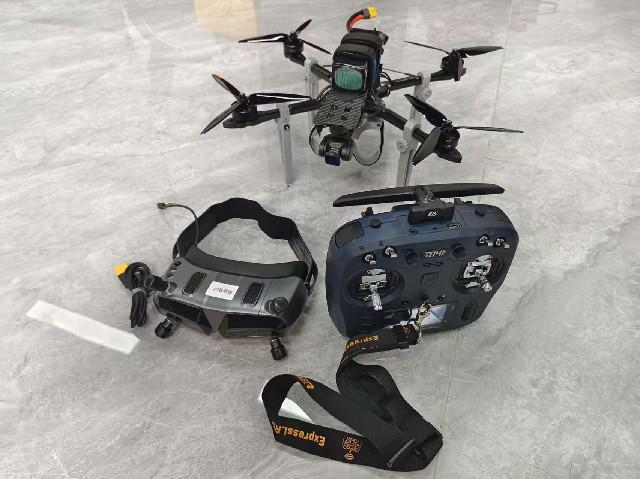
Navigation and control technologies must integrate seamlessly with operator interfaces, including transmitters and displays.
Ergonomic control layouts and intuitive feedback improve pilot performance and reduce training requirements.
Conclusion
Navigation and control technologies form the operational core of FPV drones. Through precise sensor integration, responsive control systems, and flexible navigation methods, military FPV platforms achieve the agility and reliability required for tactical missions.


 Tel: +86-13959965075
 Email: info@fpvdroneskit.com
 MP/WhatsApp: +86-13959965075
 Manufacturer Address:Quanzhou Valley Nanan Science and Technology Innovation Center, No. 89 Shijing Avenue, Shijing Town, Nanan City, Fujian Province