

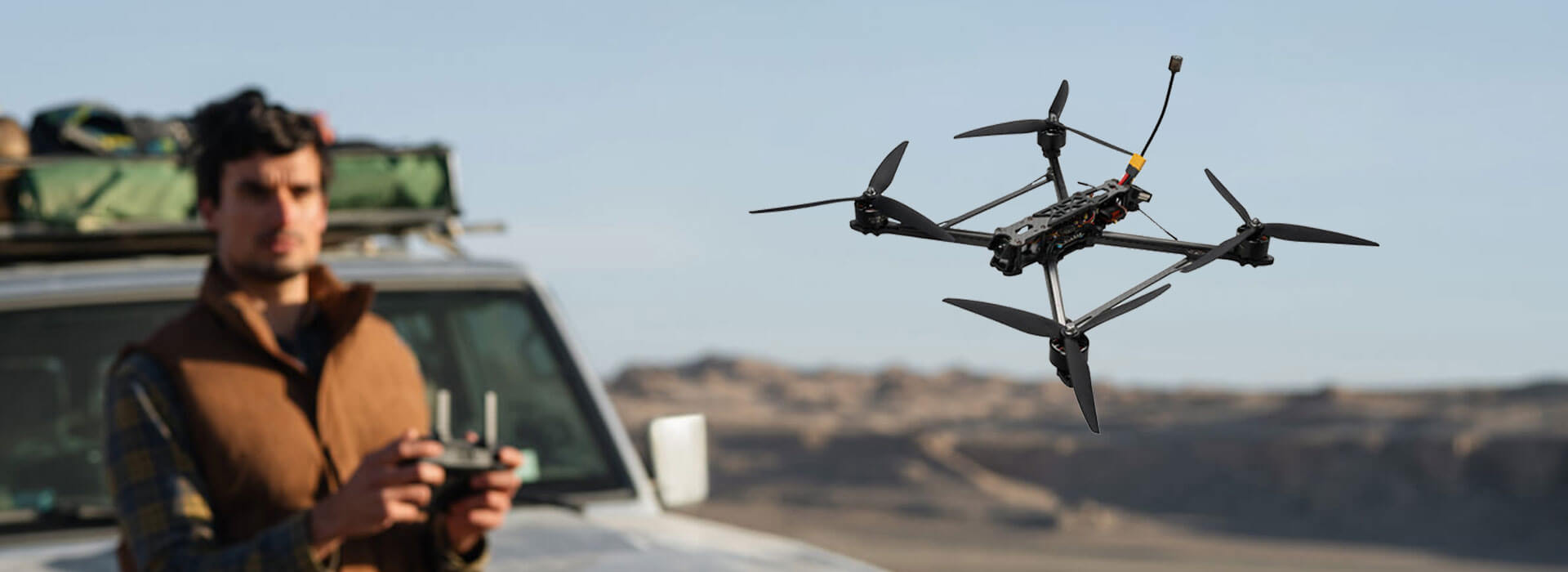

One visible camera · Two auxiliary lights
Add a fixed Ethernet view with its own lighting
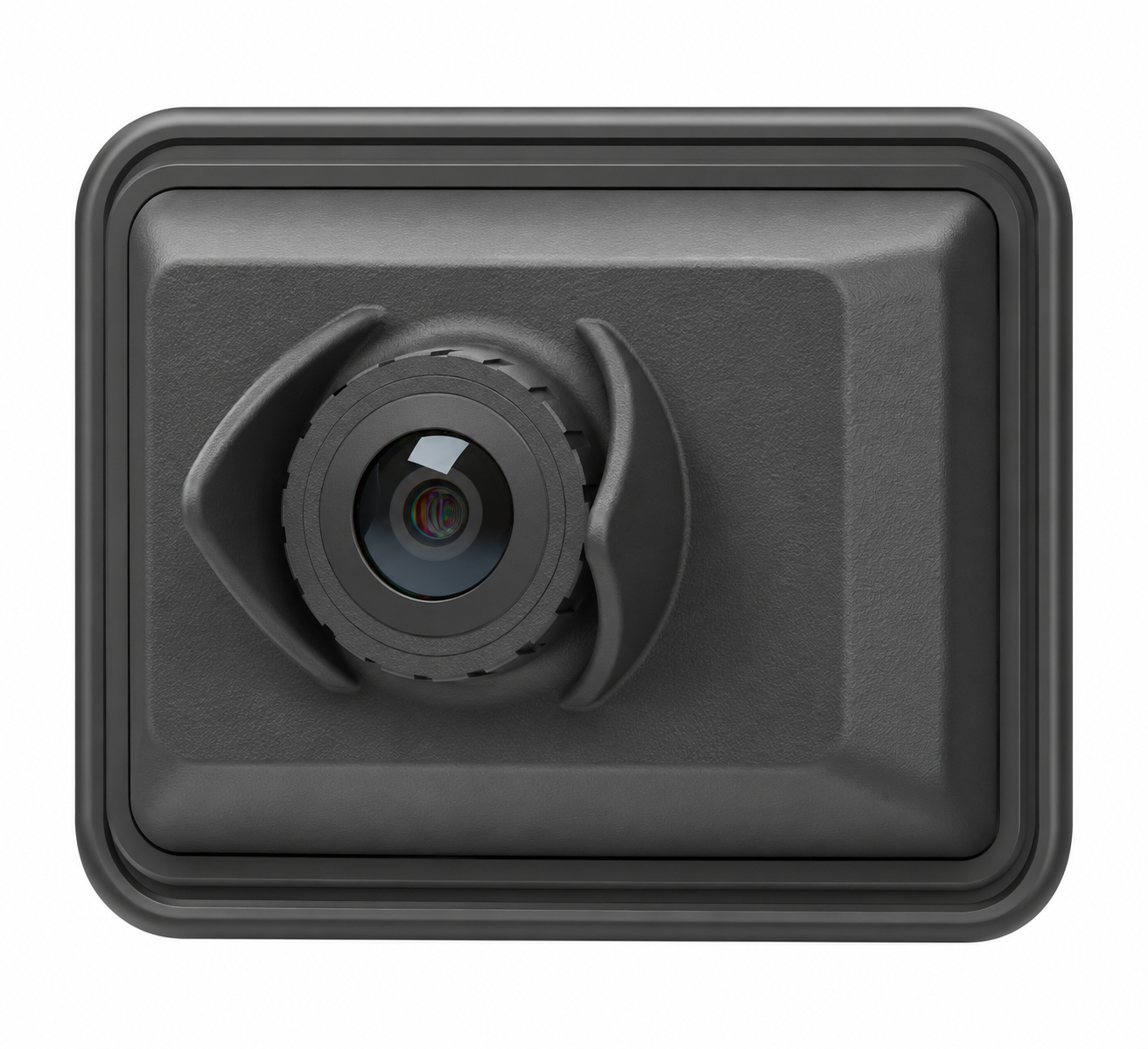
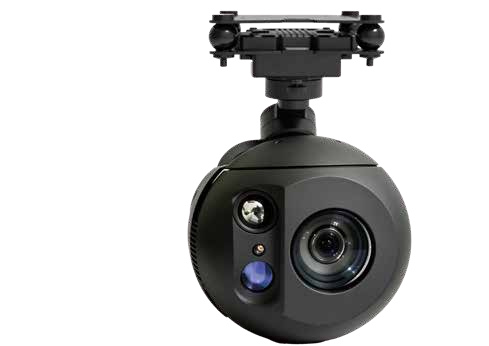
FD G210 combines a wide-angle visible camera with two forward-facing lights. Its three front elements should not be confused with three imaging sensors: the middle camera forms the picture, while the two lights provide supplemental illumination. It is a fixed camera choice for a civil drone or vehicle installation where the viewing direction can be set by the mount.
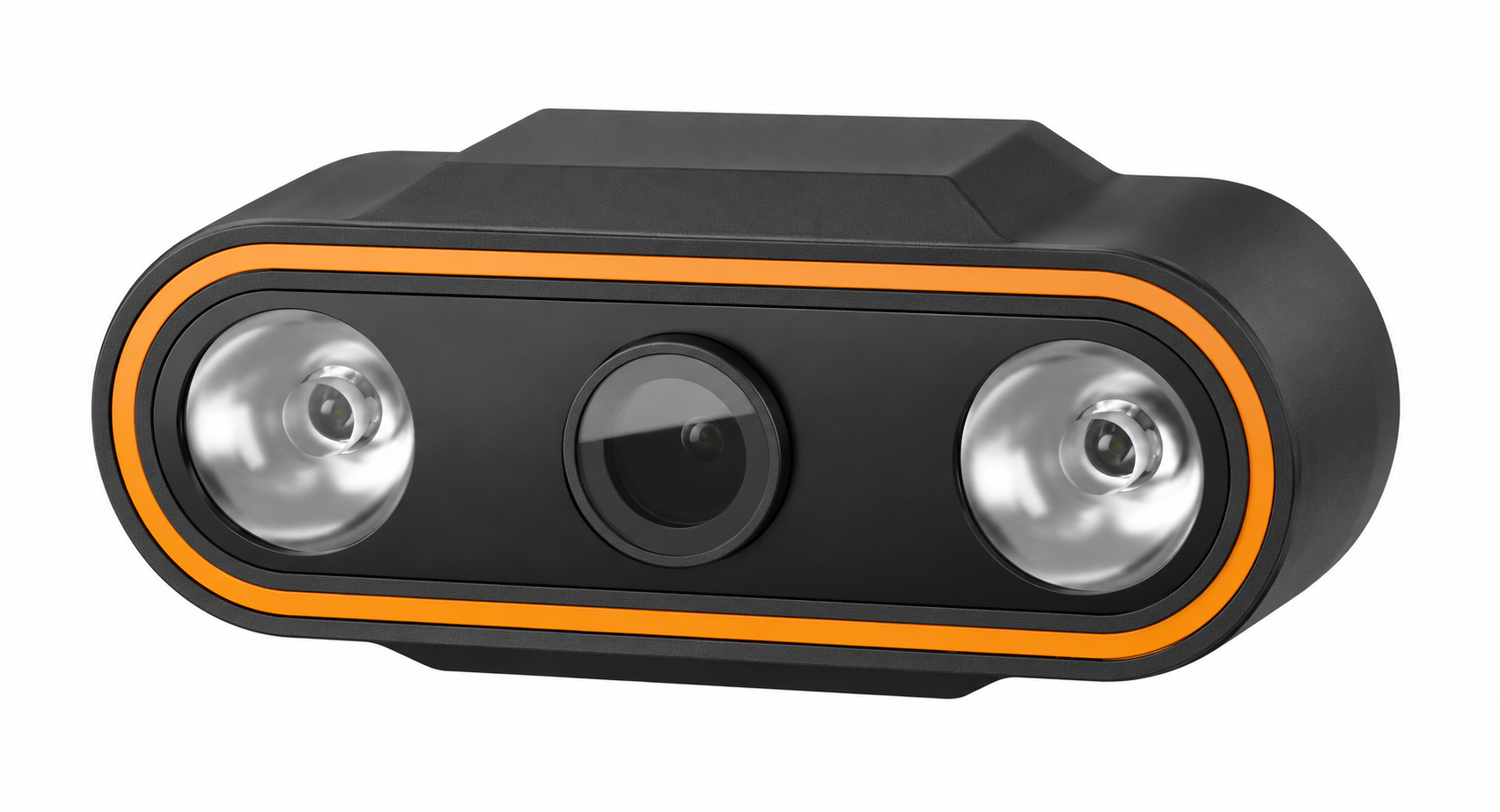
Choose a fixed camera when the view is predictable
A rigidly mounted camera can suit an overview or equipment-monitoring task when the required scene stays within its lens coverage. The manufacturer lists a 2 MP visible sensor, a 2.8 mm F2.2 lens and fields of view of 108° horizontally and 81° vertically. There is no separately documented thermal imager or mechanically stabilized gimbal in this model's specification.
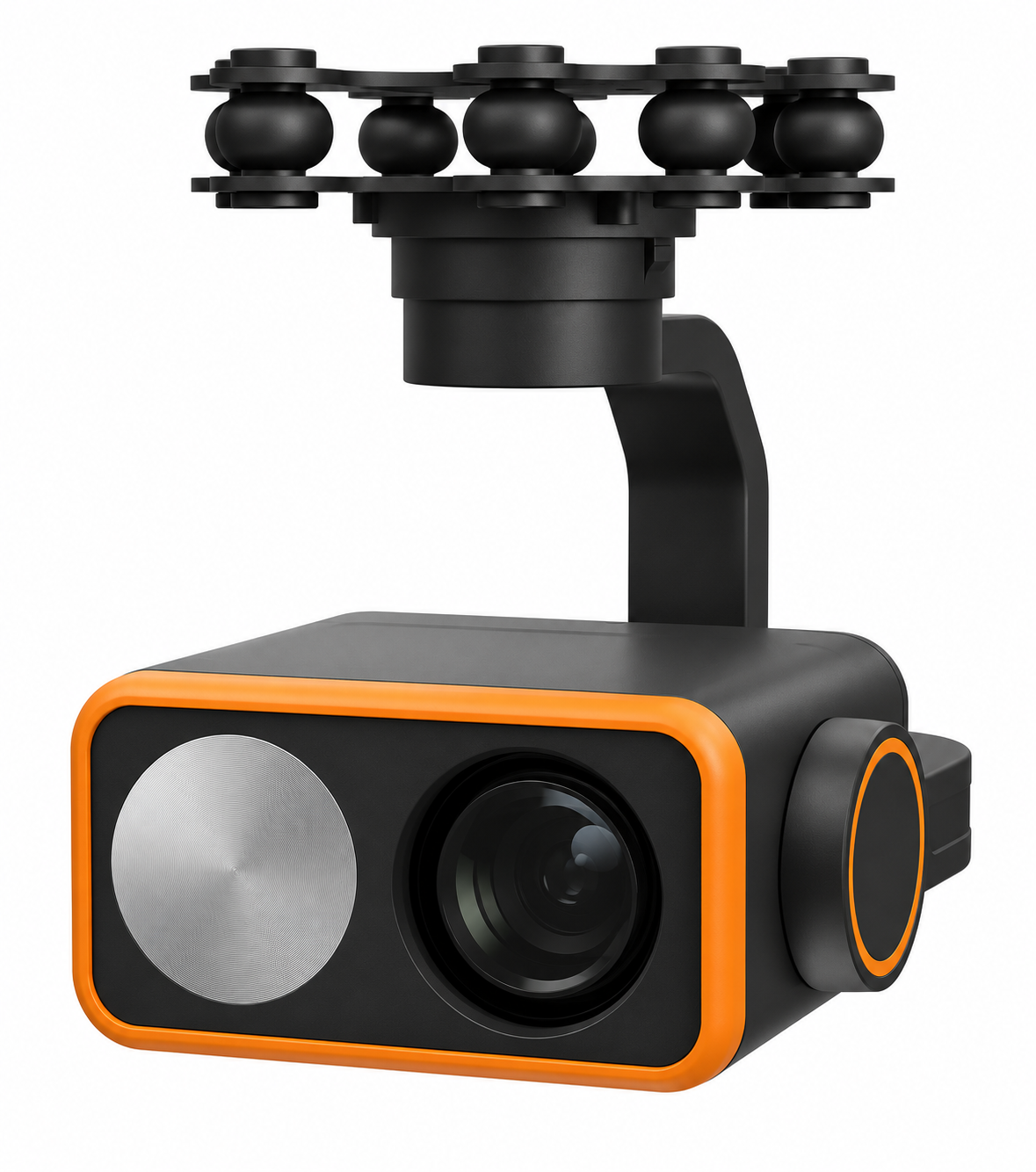
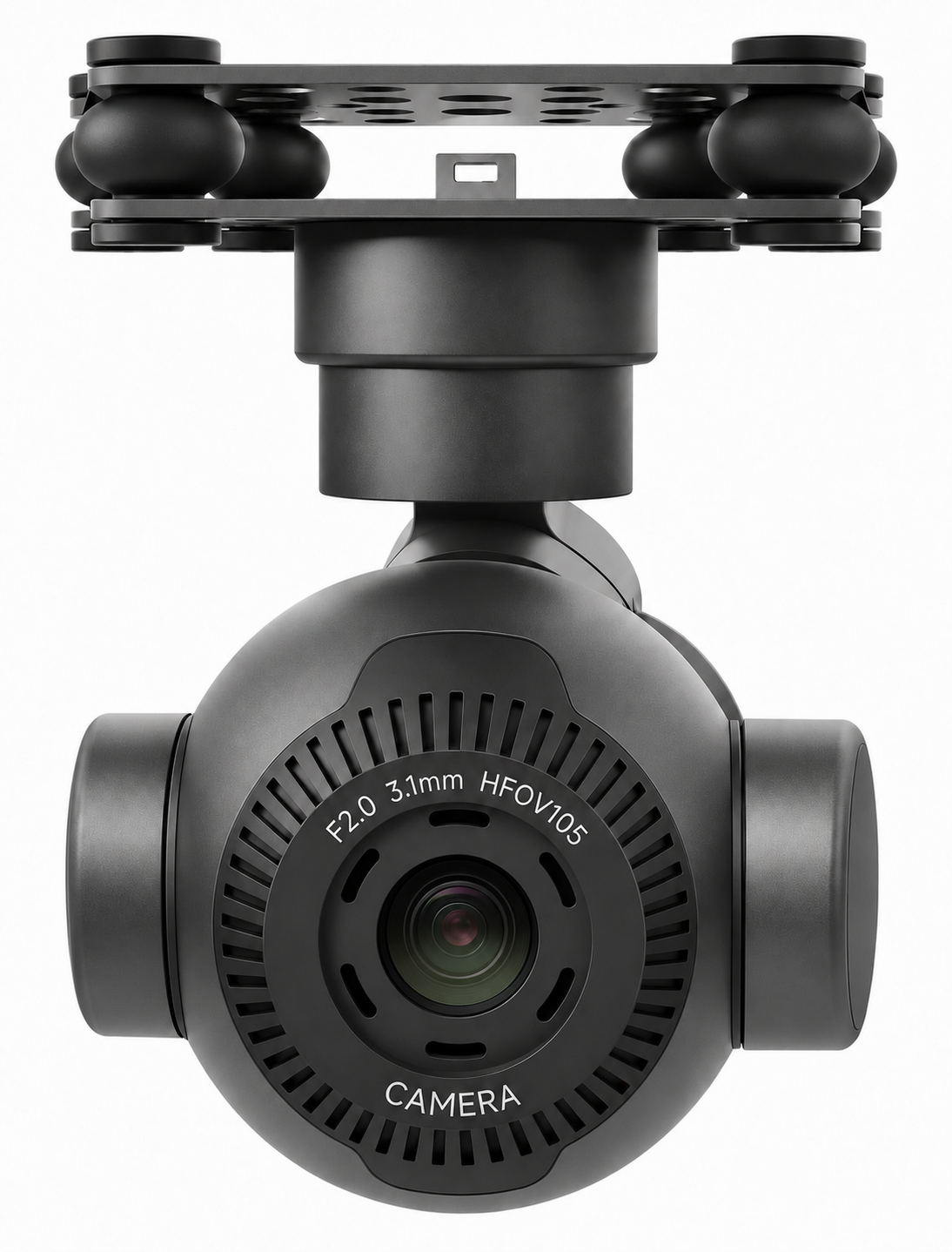
For UAV use, describe the intended installation position and the part of the scene that must stay visible. If the operator needs to point the lens independently of the aircraft, select an appropriate gimbal camera instead of assuming that software display controls provide physical camera movement.
Use the lights as a selection point
The two auxiliary lights are listed with 6 W LED power. This makes the camera worth discussing for a nearby low-light working view, but no verified illumination-distance figure accompanies the cited configuration. State the scene, viewing distance and lighting conditions so the required result can be considered without inventing a guaranteed night-vision range.
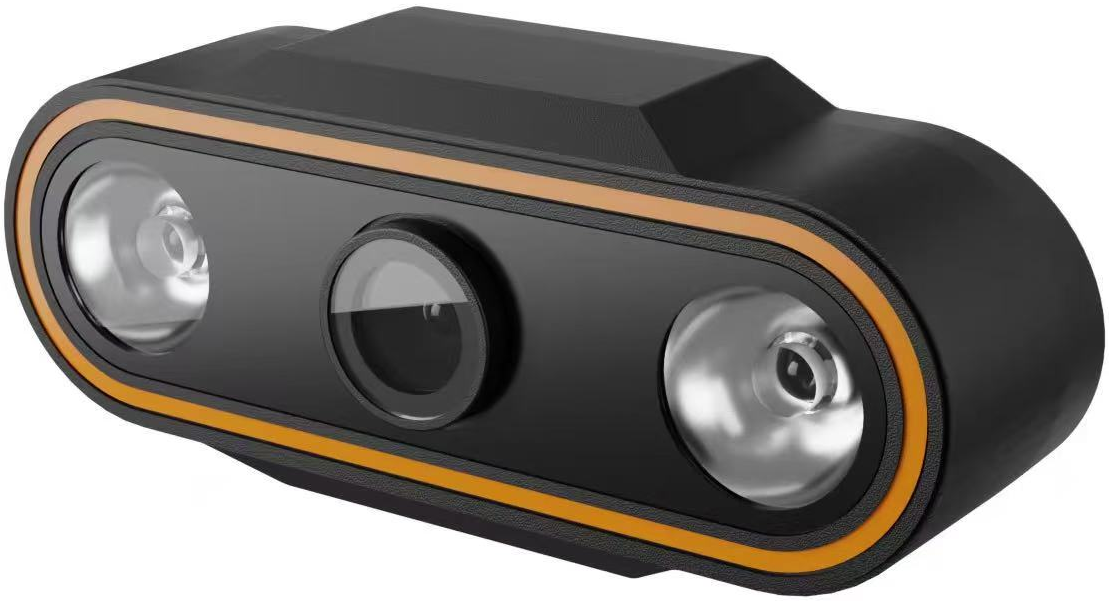
Confirm the Ethernet video route
The camera outputs RTSP video over Ethernet using H.265. Identify the receiving display, air-side receiver and application before choosing the cable set. The LAN-port model is the relevant identity here; similarly shaped USB or other camera versions should not be treated as interchangeable simply because the housings resemble one another.
Available documentation gives different input-voltage ranges and different default image dimensions. This page therefore does not present one of those entries as a universal rating. Ask for the delivered version's electrical specification and streaming format with the quotation, particularly when matching a camera to an existing receiver or replacing an older unit.
Fit the housing, not an assumed gimbal envelope
The documented body mass is 110.6 g. Installation uses a rigid fixing arrangement, with M2.5 self-tapping screws and a listed 5 mm hole depth. The body-dimension entries also vary slightly across the manual and product graphic, so request the current installation drawing where space is tight.
The stated environmental range is −10 to +60 °C in operation and −25 to +60 °C for storage. The manual discusses splash, water and dust resistance without assigning a numeric IP grade. These statements do not justify calling the camera waterproof or suitable for immersion.
Before choosing the LAN camera
Does “3-in-1” mean visible, thermal and laser sensors?
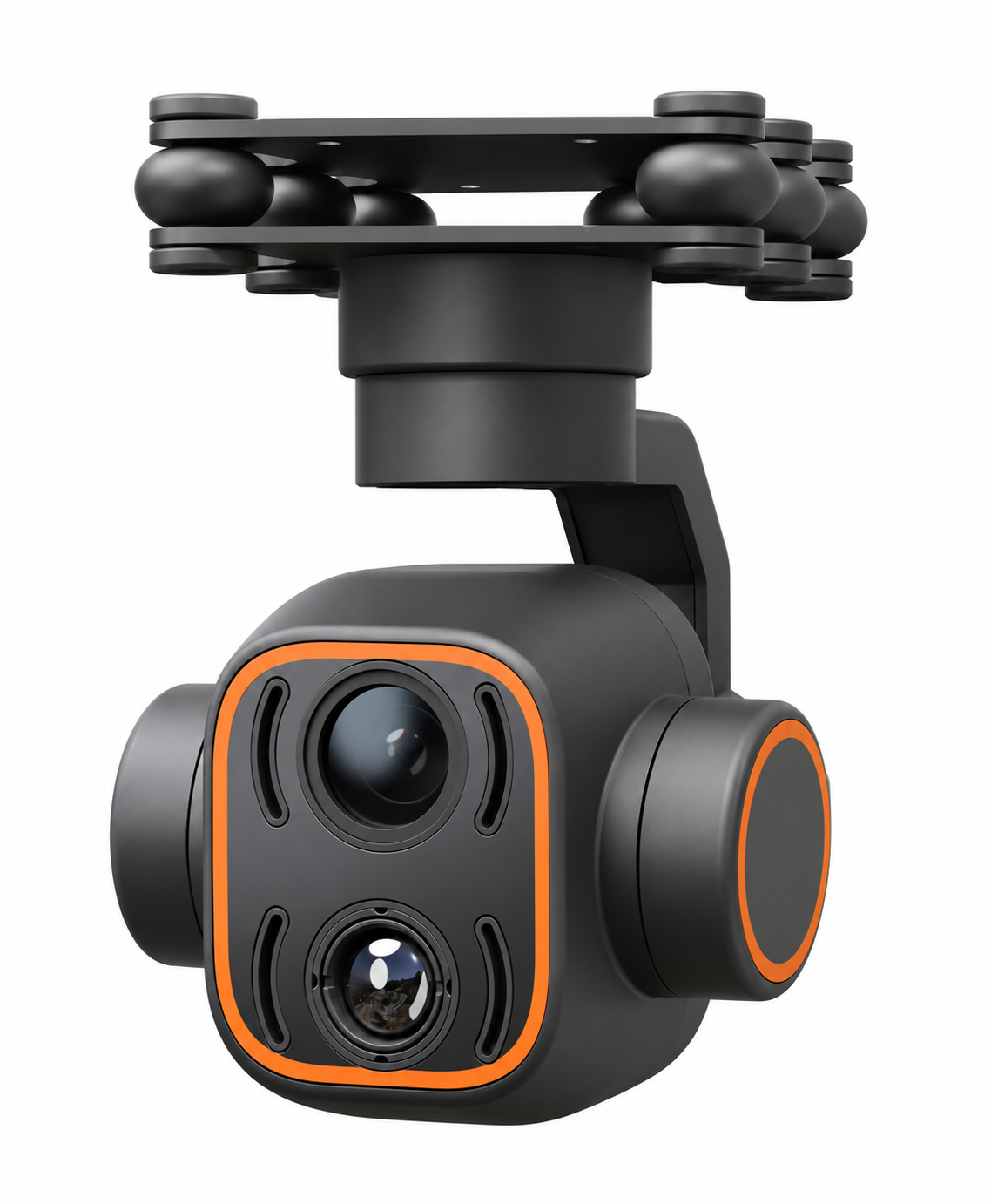
No. The documented arrangement is one visible camera and two lights. A thermal inspection requires a separately specified thermal imaging model.
Can the front camera move independently?
A motorized gimbal is not specified. The viewing direction depends on the physical installation.
What should an enquiry include?
Provide the receiving equipment, mounting position, required viewing distance and low-light conditions. Ask FD to confirm the exact LAN camera version, power rating, video format and supplied cable before the package is selected.

 Tel: +86-13959965075
 Email: info@fpvdroneskit.com
 MP/WhatsApp: +86-13959965075
 Manufacturer Address:Quanzhou Valley Nanan Science and Technology Innovation Center, No. 89 Shijing Avenue, Shijing Town, Nanan City, Fujian Province