| Price | On request |
|---|---|
| Model | ZIO |
| Visible camera | Sony 1/2.5-inch Exmor R CMOS; 8.51 MP |
| Stabilization | Three-axis gimbal |
| Video output | HDMI 1080p60; Ethernet RTSP 720p30 |
| Storage | 4K 3840 x 2160 at 30 fps; JPEG photographs and MP4 video on microSD |
| Power input | 14.5-52 V |
| Dimensions | 145 x 90 x 148 mm (D x W x H) |
| Weight | 480 g, manufacturer-listed |
| Lens configuration | 20x optical zoom; 4.4-88.4 mm |
| Control interfaces | MAVLink; UART/Ethernet; documented PX4 and ArduPilot integration |
Gremsy ZIO · Visible-light inspection payload
ZIO is a three-axis UAV gimbal camera for projects that need detailed visible-light images rather than thermal sensing. Its 20× optical zoom and Sony camera module suit visual inspection of roofs, industrial facilities and construction progress, with separate paths for onboard recording and the operator's live view.
A 4K camera does not automatically provide a 4K downlink. ZIO's published recording and streaming settings serve different purposes. Choosing the correct path early makes it easier to match the payload to a ground station, recorder or network video input.
| Image path | Published specification | What it is useful for |
|---|---|---|
| Onboard video | 3840 × 2160 at 30 fps | Higher-resolution footage for review after the flight |
| HDMI live output | 1920 × 1080 at 60 fps | A compatible HDMI video input or display path |
| Ethernet live stream | RTSP 1280 × 720 at 30 fps | Network video for a supported ground application |
The radio link remains a separate component. Its encoder, bandwidth and receiving equipment can change the final live image, so the operator's screen should be assessed as a complete chain rather than against the recording resolution alone.
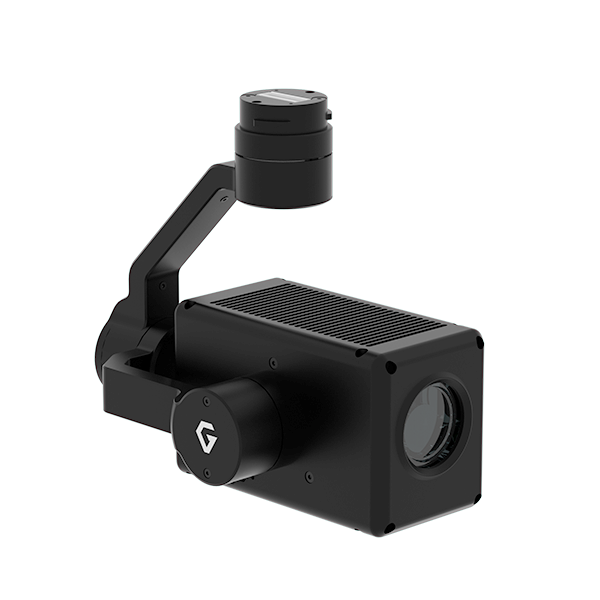
The lens provides 20× optical zoom. Gremsy also lists 30× Super Resolution and additional digital enlargement; those values describe different processing modes. For product comparison, use 20× as the optical figure. That keeps ZIO's lens specification comparable with other 10×, 20× and 30× inspection cameras.
Optical magnification is useful when the inspection calls for a closer view of a particular fitting, roof section or structural detail. It also reduces the area visible in one frame. A wider scene is easier to interpret, while a magnified image is better suited to examining a chosen feature. Both views can be useful in the same inspection report.
Use an overview image to show which part of the facility is being inspected. Keep enough surrounding structure visible for the reviewer to recognise the location.
Use the optical zoom to frame the feature that needs closer visual review. The three-axis gimbal supports camera orientation while the aircraft provides the aerial viewpoint.
Use the onboard photograph or recording for the report where appropriate. A ground-screen recording and a camera file are different sources with potentially different detail.
ZIO supports MAVLink and is documented for PX4 and ArduPilot integration. That makes it relevant to integrators using those autopilot environments, but it does not make every wiring harness, controller and application interchangeable. The command path and the video path both need to match the aircraft.
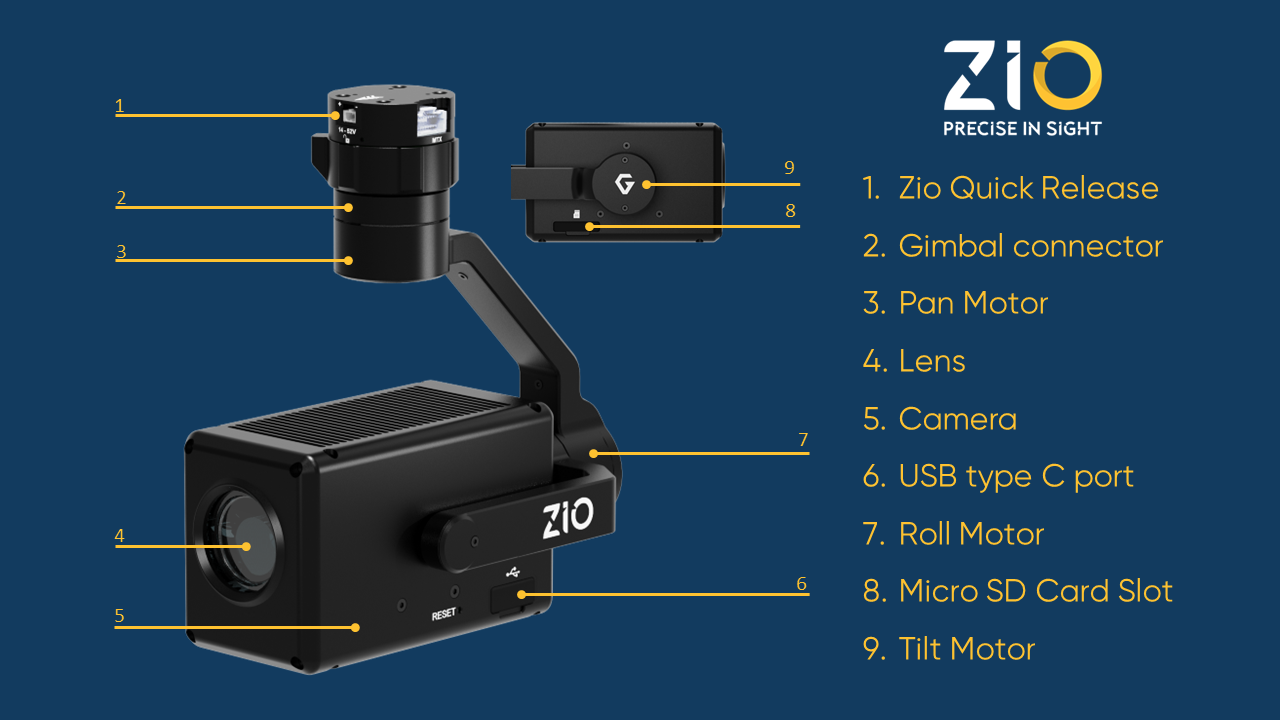
Gremsy's documentation identifies a detachable bottom mount and dedicated quick-release and damping components. The damping assembly, wiring clearance and full movement envelope belong in the installation assessment. Mechanical stabilization also cannot compensate for poor focus, unsuitable exposure or an obstructed camera view.
| Camera type | Visible-light Sony Exmor R CMOS camera; 8.51 MP |
|---|---|
| Optical zoom | 20×; 4.4–88.4 mm lens |
| Stabilization | Three-axis gimbal |
| Payload weight | 480 g, manufacturer-listed |
| Input voltage | 14.5–52 V |
| Interfaces | Micro-HDMI, Ethernet, UART and USB 2.0 |
| Photos / video | JPEG / MP4; microSD storage |
Choose a dual-sensor camera when infrared contrast or thermal observations are part of the actual job. ZIO is the simpler visible-light choice when ordinary imagery answers the inspection question. It does not include a thermal imager.
For a quotation, tell FD which aircraft and autopilot you use, how the ground station receives video, and whether the required result is live viewing, 4K onboard footage or still photographs. Include the mounting arrangement so the camera, quick-release hardware and video path can be discussed together.
Manufacturer references: ZIO overview and live-output specifications · ZIO hardware and recording documentation.
| Visible camera | Sony 1/2.5-inch Exmor R CMOS; 8.51 MP |
|---|---|
| Visible lens | 20x optical zoom; 4.4-88.4 mm |
| Stabilization | Three-axis gimbal |
| Video output | HDMI 1080p60; Ethernet RTSP 720p30 |
| Recording | 4K 3840 x 2160 at 30 fps; JPEG photographs and MP4 video on microSD |
| Power input | 14.5-52 V |
| Payload weight | 480 g, manufacturer-listed |
| Payload dimensions | 145 x 90 x 148 mm (D x W x H) |
| Control | MAVLink; UART/Ethernet; documented PX4 and ArduPilot integration |
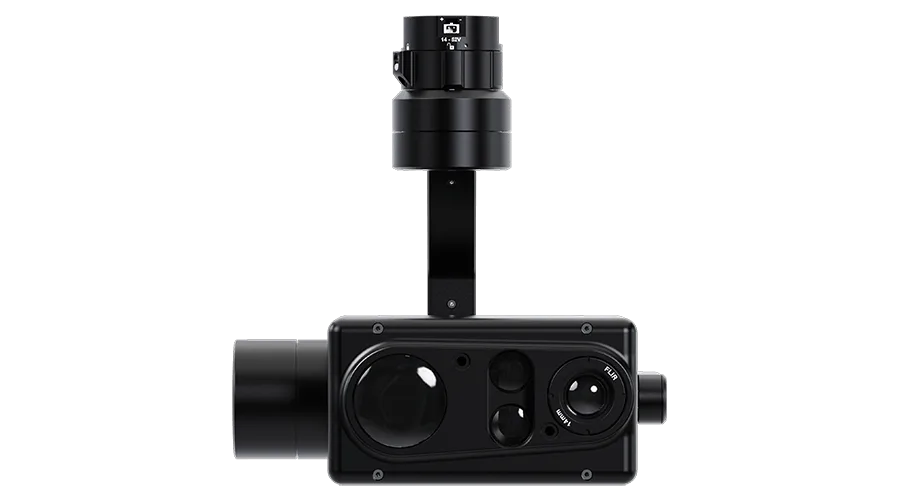
Gremsy VIO F1 pairs 20x optical EO imaging with a FLIR Boson 640R thermal core and 14 mm lens. Explore video paths and thermal-data requirements....
Gremsy ZIO combines 20x optical zoom and a three-axis UAV gimbal. Compare 4K onboard recording, HDMI live video and RTSP Ethernet output....

 Tel: +86-13959965075
 Email: info@fpvdroneskit.com
 MP/WhatsApp: +86-13959965075
 Manufacturer Address:Quanzhou Valley Nanan Science and Technology Innovation Center, No. 89 Shijing Avenue, Shijing Town, Nanan City, Fujian Province