


Optical view
Use the lens setting to compose a closer view before recording. Optical zoom and digital enlargement are separate controls with different effects on the image.
| Price | On request |
|---|---|
| Model | DHU03-E |
| Image sensor | 48 MP CMOS sensor; nominal3× optical; 9× digital |
|---|---|
| Optical zoom | Nominal 3x optical; separate 9x digital enlargement |
| Stabilization | Three-axis |
|---|---|
| Power input | 12–26.2 V DC; Dynamic6 W |
| Weight | 210 ±10 g excluding dampers |
| Video output | HDMI and IP named; RTSP1080p listed |
|---|---|
| Storage | Local TF video storage |
| Control interfaces | Network / serial / S.Bus |
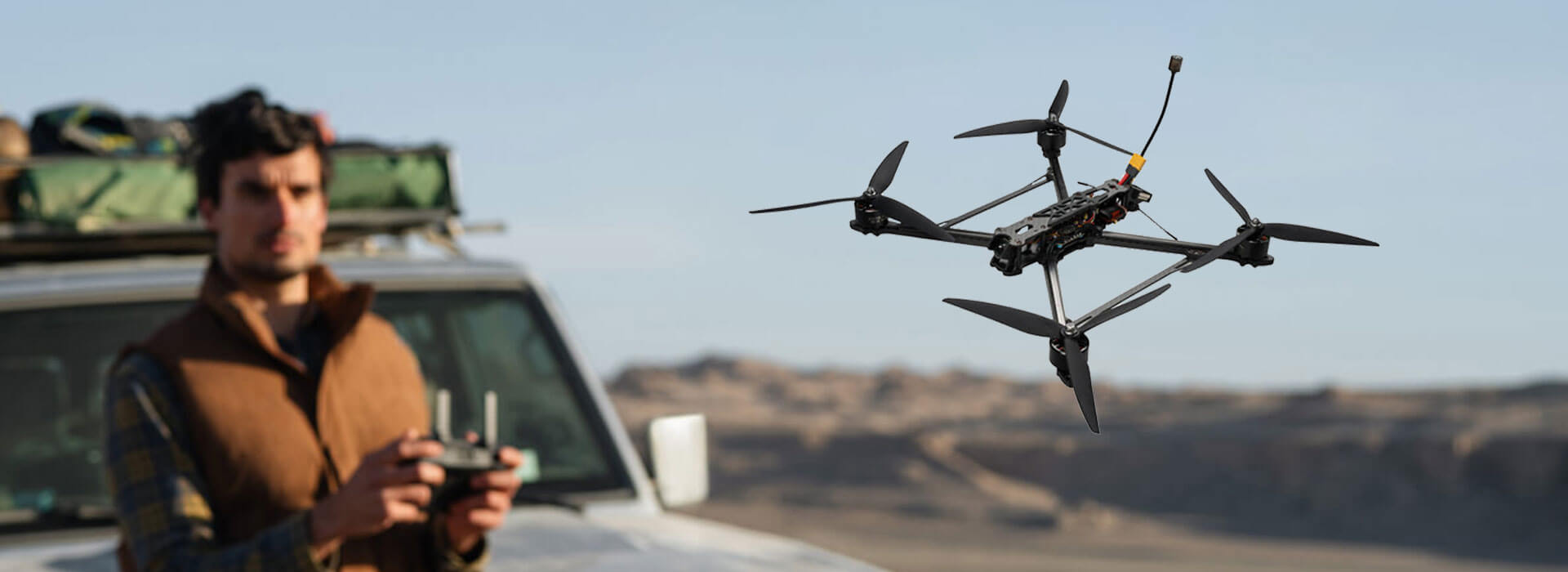
DHU03-E is a visible-only, three-axis gimbal camera for UAV observation and civil image collection. It offers lens-based zoom alongside digital enlargement, with HDMI and IP named as output paths. Choose it when color and visible detail answer the inspection question, rather than adding a thermal channel that the work does not require.
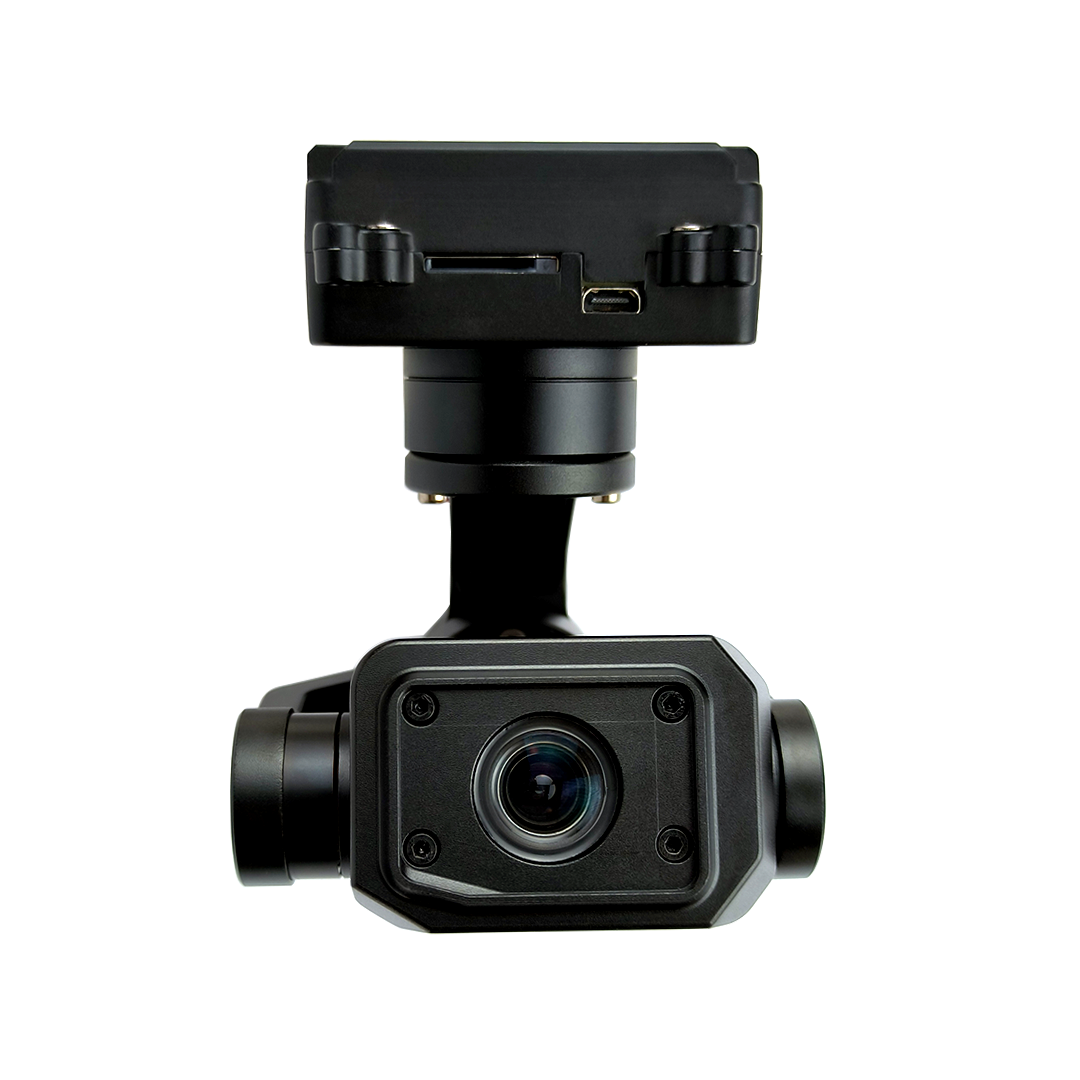
Use the lens setting to compose a closer view before recording. Optical zoom and digital enlargement are separate controls with different effects on the image.
Select the receiving path that fits the ground equipment. A named connector or stream protocol is the starting point for integration, not a universal compatibility promise.
Retain an original recording or photograph for evaluation. Review native image detail before judging a magnified ground-screen presentation.
This sequence is useful for roof details, building surfaces and equipment labels. An operator may need the live picture to frame the scene while a later reviewer needs a saved file with a clear subject. Define those two needs separately: a convenient live view does not automatically establish the file dimensions or image detail needed in the report.
| Element | Listed value | Practical interpretation |
|---|---|---|
| Sensor | 48 MP CMOS | This identifies the sensor; saved-photo resolution needs its own file specification. |
| Optical zoom | Nominal 3× | Lens adjustment changes framing before digital enlargement. |
| Digital zoom | 9× | Do not combine this with the optical label and call the result optical zoom. |
| IP video | RTSP 1080p | Select a receiver able to handle the supplied stream configuration. |
| Camera mass | 210 ±10 g, excluding dampers | Add the chosen vibration-isolation and mounting parts. |
A higher sensor pixel count is not sufficient to promise a sharper delivered inspection image. The selected output, exposure, focus and compression all matter. Ask for a representative original file from the offered unit and judge whether the required feature remains readable. A resized website illustration is unsuitable for that comparison.
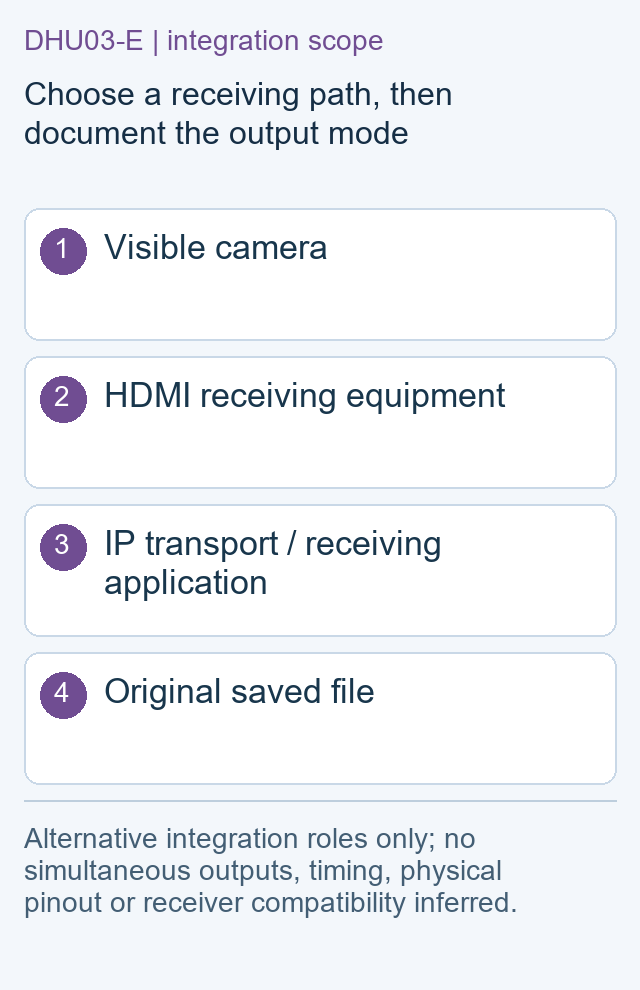
The manufacturer names both HDMI and IP for this model. Record the required HDMI format and the receiving device in the order; the source does not establish every HDMI timing or simultaneous output combination. For an IP installation, document the stream address, receiving application and recording location for the supplied version.
Video and commands need separate checks. The public control specification lists network, serial and S.Bus, with PWM optional. A receiver showing video does not demonstrate camera control, and a cable labelled S.Bus does not establish every flight controller's channel mapping. Keep the command document, harness and selected firmware together as one integration record.
The camera mass excludes dampers. Evaluate the bracket, vibration isolation, connectors and cable support as part of the aircraft installation. Use a verified mounting drawing and keep the harness clear throughout the gimbal positions required by the job.
The three-axis mechanism gives the operator a stabilized pointing arrangement, but it is not evidence of a completed flight test on the customer's UAV. Mounting vibration, exposure and zoom setting can affect the picture. Compare unedited output from the selected mount before presenting a stabilization result as a selling point.
For FPV-style live viewing, the important fit is the entire receiving chain: camera, transport, ground receiver and display. This is an industry UAV camera configuration, not an established plug-in replacement for a small racing drone's analog camera.
No. It is a visible-only camera. Select a dual sensor product when the work requires a thermal channel as well as visible context.
The public sensor specification alone does not establish that saved-file mode. Include the actual photograph dimensions and example file in the agreed configuration.
No. They are different receiving paths. The order should identify which path, receiver and output mode the customer needs.
Identify the original model, selected control interface, output version, mounting and damper parts, cables and any software scope. Keep optional PWM explicit rather than treating it as standard.
Manufacturer reference: TOPOTEK DHU03-E. The public listing supplies the nominal zoom and sensor specifications; final output and interface details depend on the documented supplied configuration. Manufacturer specification source.
| Visible Camera | 48 MP CMOS sensor; nominal3× optical; 9× digital Sensor pixels do not establish saved-photo resolution; do not call27× optical. |
|---|---|
| Stabilization | Three-axis No customer-UAV flight-test result established. |
| Video Output | HDMI and IP named; RTSP1080p listed HDMI timing, frame rate and simultaneous topology not established. |
| Storage | Local TF video storage Photo-file mode and output dimensions require separate documentation. |
| Control | Network / serial / S.Bus |
| Weight | 210 ±10 g excluding dampers Add supplied damper, mount and cables for installed mass. |
| Voltage | 12–26.2 V DC |
| Power | Dynamic6 W Manufacturer label; not peak supply requirement. |
Manufacturer-listed values. Supplied options and installed weight belong in the quotation.
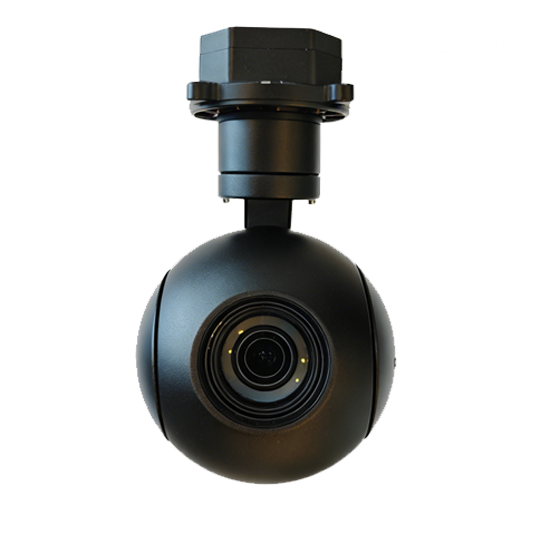
Choose DIF30S62-E 30x optical zoom imaging with 1080p RTSP video, IP/UART control and local TF storage for civil UAV observation....
Choose DHU03-E visible-only UAV imaging with nominal 3× optical zoom, HDMI and IP paths, three-axis pointing and a clearly specified recording configuration....

 Tel: +86-13959965075
 Email: info@fpvdroneskit.com
 MP/WhatsApp: +86-13959965075
 Manufacturer Address:Quanzhou Valley Nanan Science and Technology Innovation Center, No. 89 Shijing Avenue, Shijing Town, Nanan City, Fujian Province