Author:Military Drone Manufacturer TIME:2026-09-06
Introduction
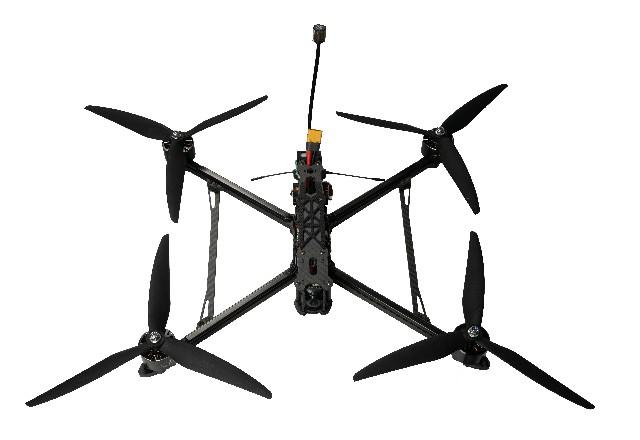
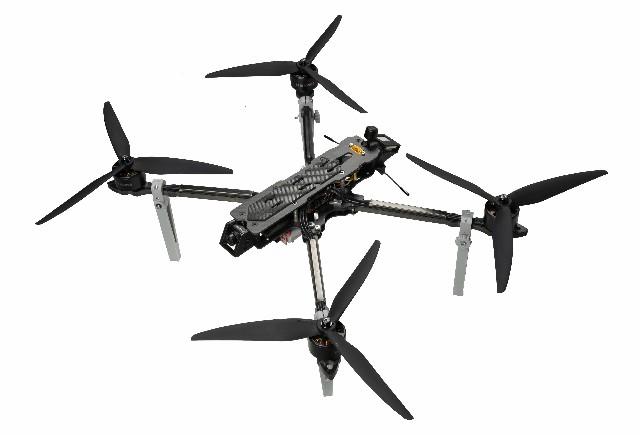
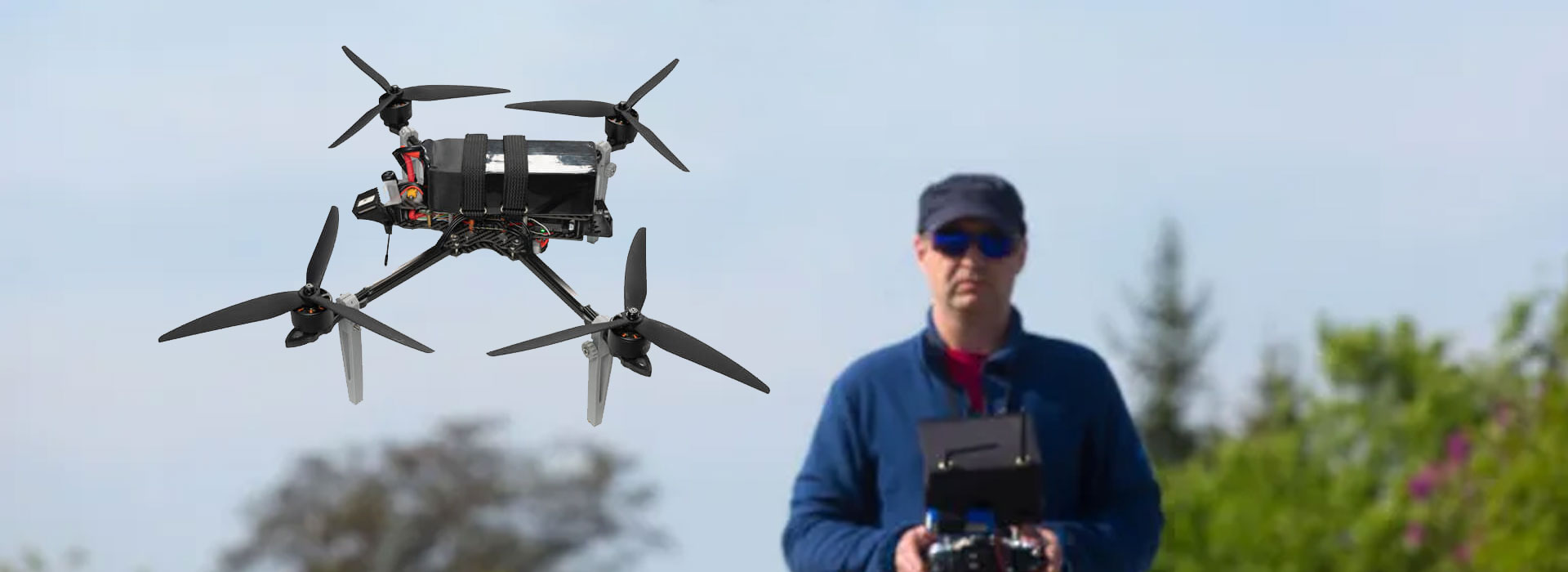
FPV drones are often evaluated based on their tactical impact, but their effectiveness begins with system-level design. In defense operations, FPV platforms must deliver consistent performance under demanding conditions while remaining simple enough for rapid deployment. This article examines FPV drones from a systems perspective, focusing on how their architecture supports military use.
Integrated Hardware and Software Design
FPV drones rely on close coordination between hardware components and control software. The flight controller processes sensor data in real time, translating operator input into stable and responsive flight behavior.
For defense use, this integration must be robust and predictable. Software stability and hardware quality directly affect reliability during missions.
Power and Propulsion Considerations
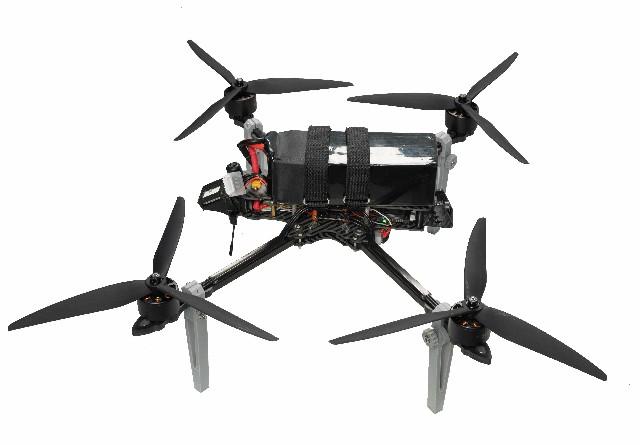
Power systems and propulsion design play a critical role in FPV performance. High thrust-to-weight ratios enable rapid acceleration and maneuverability, while efficient power management ensures consistent response throughout the flight.
In military applications, power systems must also support safe handling, quick replacement, and resistance to environmental stress.
Communication Resilience
FPV drones depend on uninterrupted communication. Defense environments may include interference, obstruction, or signal degradation. System design must account for these challenges through antenna placement, transmission power management, and redundancy.
Resilient communication is essential for maintaining control and situational awareness.
Operational Support and Maintainability
Defense users require systems that can be maintained in the field. Modular components, standardized connections, and clear diagnostics simplify repair and reduce downtime.
Manufacturers that prioritize maintainability improve overall system availability and user confidence.
Scalability and Production Consistency
As FPV drones are adopted at scale, production consistency becomes increasingly important. Variations in component quality or assembly can affect performance and reliability.
System-level quality control ensures that every platform performs as expected in operational use.
Conclusion
A system-level perspective highlights why FPV drones are effective tools in defense operations. Their tightly integrated architecture supports responsiveness, resilience, and ease of use. For manufacturers and defense users alike, understanding these systems is key to maximizing operational value.

 Tel: +86-13959965075
 Email: info@fpvdroneskit.com
 MP/WhatsApp: +86-13959965075
 Manufacturer Address:Quanzhou Valley Nanan Science and Technology Innovation Center, No. 89 Shijing Avenue, Shijing Town, Nanan City, Fujian Province