Author:Military Drone Manufacturer TIME:2026-09-06
Introduction
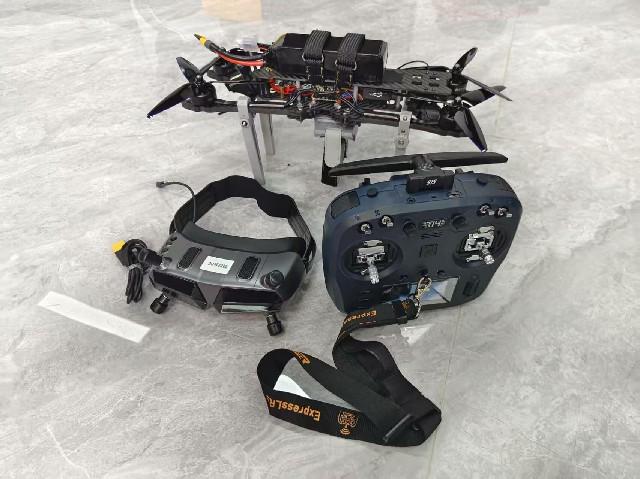
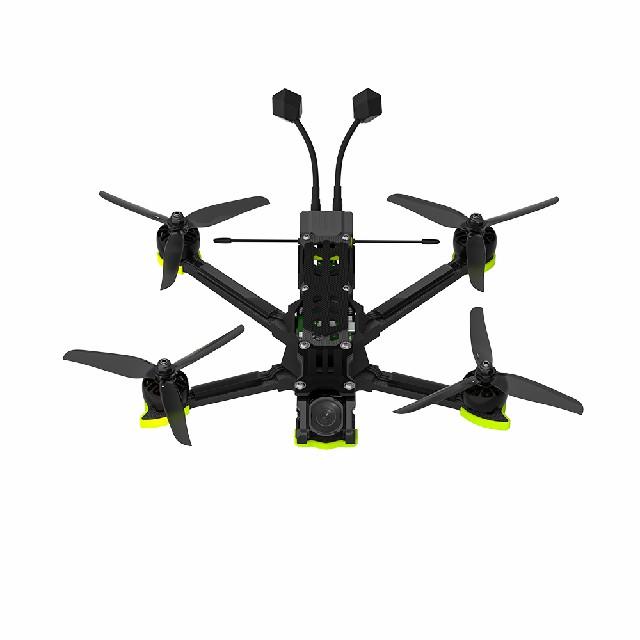
FPV drones did not emerge overnight as military tools. Their current role in defense applications is the result of continuous technological adaptation and operational learning. Originally developed for civilian and recreational use, FPV platforms have evolved rapidly in response to modern military requirements. This evolution reflects broader trends in unmanned system development and battlefield innovation.
Early Origins and Initial Capabilities
FPV technology first gained attention through hobbyist and competitive drone communities. Early systems emphasized speed and maneuverability but lacked durability, reliability, and secure communication.
These early platforms demonstrated the potential of real-time human-controlled flight, but their limitations restricted them to non-military environments. However, the core concept of immersive control attracted interest as conflicts increasingly demanded close-range aerial awareness.
Transition Toward Military Use
As modern conflicts highlighted the need for rapid, decentralized intelligence, FPV drones began transitioning into military contexts. Improvements in flight controllers, digital video transmission, and power systems enabled more reliable operation.
At the same time, military users adapted FPV platforms to meet operational needs, influencing design priorities such as robustness, maintainability, and system consistency.
Technological Advancements Driving Evolution
Several technological developments have accelerated FPV drone evolution. These include improved low-latency video links, more powerful onboard processors, and advances in battery efficiency.
Together, these improvements have expanded operational range, enhanced flight stability, and increased resilience in challenging environments. Modern FPV drones are significantly more capable than their early predecessors.
Influence of Operational Feedback
Operational use has played a critical role in shaping FPV drone technology. Feedback from field deployment has driven changes in component selection, system layout, and control interfaces.
This iterative development process allows FPV platforms to evolve quickly, adapting to emerging threats and operational constraints faster than traditional procurement cycles.
Implications for Defense Manufacturers
For manufacturers, the evolution of FPV drones underscores the importance of flexibility and rapid iteration. Defense customers increasingly value platforms that can be updated and modified without complete redesign.
Manufacturers that incorporate modular architectures and responsive development processes are better positioned to support long-term adoption.
Conclusion
The evolution of FPV drones in military technology reflects the changing nature of modern warfare. From early experimental platforms to increasingly refined defense systems, FPV drones have adapted to meet tactical demands. This evolution is likely to continue as technology and operational requirements advance.

 Tel: +86-13959965075
 Email: info@fpvdroneskit.com
 MP/WhatsApp: +86-13959965075
 Manufacturer Address:Quanzhou Valley Nanan Science and Technology Innovation Center, No. 89 Shijing Avenue, Shijing Town, Nanan City, Fujian Province